
















Wish Recovery’s Blog Category

Addiction Treatment

Releasing the First in a New Series Exploring "Substance Use as an Emotional Response"

The spooks, ghosts, and goblins of Halloween are gone. As the collected assortment of candies starts to dwindle, the air of the season shifts to cooler, longer nights, and the turkey and tinsel of the holidays begin to appear everywhere. This can bring about stress and mental health conditions like seasonal affective disorder. Many people respond to emotional distress in many ways, from food to sex to drugs or alcohol. 

When someone has experienced trauma or is in a negative situation, how they react to this will be different for everyone. Some people respond in ways that make matters worse for themselves and the parties involved, and some respond unhealthily, like drinking or misusing drugs.

Liquid Courage or Liquid Fear: Revealing the True Relationship Between Alcohol and Anxiety

Anxiety is one of the most prevalent mental health disorders today, affecting millions of people of all ages and backgrounds. It is a condition that can be both debilitating and isolating, with many individuals turning to alcohol to help alleviate their anxiety symptoms. However, while alcohol may temporarily relieve anxiety, it can also be a double-edged sword, exacerbating the condition in the long run.


This blog post will explore the precarious relationship between alcohol and anxiety. We will examine how alcohol affects the brain and how this can impact anxiety levels. We will also discuss how alcohol affects the development of anxiety disorders, such as genetics, self-medication, and other factors. Furthermore, we will provide evidence-based information on coping without resorting to drinking to ease anxiety.

Have You Heard About These Lesser-Known Benefits of Addiction Recovery?

Addiction recovery is a difficult journey with many ups and downs. However, many people don’t realize that, in addition to the apparent benefits of sobriety, there is a host of lesser-known but equally important benefits that come with recovery from a substance or alcohol use disorder (SUD/AUD). These rewards come in surprising packages and are often overlooked or underestimated by those in recovery.


This blog post will take a closer look at some of these lesser-known benefits. We will review the mental, physical, and emotional rewards that come with the hard work of recovery and show that the process can be advantageous.

From improved relationships with family and friends to improved physical and mental health, many excellent benefits of recovery can help make the journey worthwhile. We will also discuss the importance of taking advantage of these benefits and why ensuring they are noticed is vital.

4 Ways a Residential Rehab Can Help You Cope with Relapse

Because of the varying degrees of substance use disorders (SUDs), many individuals suffer from addiction and alcoholism, which are the most severe manifestations of SUDs. Even after treatment, ONLY 40 to 60% of people who try to stop drinking or using drugs succeed. For many people, it is practically inevitable. This reality can discourage some, but relapse prevention like what you'll receive at residential rehab can help you develop coping skills to avoid or deal with triggers to use more flexibly and productively. This adaptability makes the chances of preventing a relapse more significant, and you'll be less likely to return to previous behaviors and substance use once you leave inpatient treatment.

Here are four ways your stay at a residential rehab can help you cope with or avoid relapse along your recovery journey:

Better Chances of No More AUD Symptoms After Treatment in Alcohol Rehab

It may be challenging to identify when drinking has gotten out of control, despite how obvious it is when it affects the most important aspects of life—relationships, money, mental stability, health and happiness. When is it appropriate to look for help? For rehabilitation that's even imaginable, you must first identify your problem. Friends, coworkers, or family members may bring up your issues, but only you can assess yourself.

Start Prioritizing Self-Care for Tremendous Success and Sustainability at any Stage of Your Addiction Recovery

Let’s face it: as human beings with feelings and vulnerabilities, none of us is impervious to pain and suffering. Research shows that people who have experienced traumatic events are more prone to addiction. However, what makes the difference between those who give up and those who continue fighting in their recovery is self-care. Let’s look at why self-care is critical to staying sober and being one step ahead of a possible relapse.

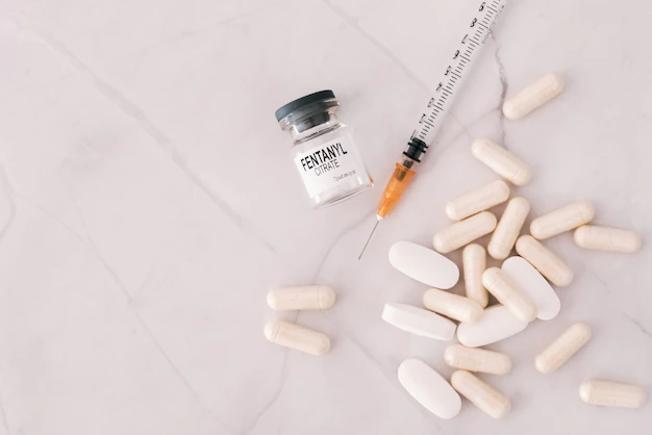
A 9/11 Massacre Every Other Week: The Dangers of Fentanyl and What You Should Know

About two-thirds of the over 108,000 drug overdose fatalities in 2021 featured fentanyl or another synthetic opioid. In 2020, almost 43,000 overdose deaths were from fentanyl. This synthetic opioid is commonly used for managing pain in cancer patients and those who have undergone surgery or cannot tolerate other types of pain medication. Unfortunately, the dangers of fentanyl are numerous and well-documented at this point. The drug has been linked to countless deaths over recent years. Public health organizations have issued warnings about its use as an anesthetic, painkiller, and even a street drug. As an illicit substance, these organizations are seeing this as an issue of national security and appealing to Washington to bring immediate attention before any more people die. But what exactly is fentanyl? How do you recognize it, and what are some things you need to know if you think someone around you might be using it? Keep reading to find out more!

Debunking Myths About Drug Addiction

If you or a loved one is suffering from substance use disorder (SUD) or addiction, it's understandable that you're looking for help on the internet. However, finding reliable and helpful information can be difficult due to significant misinformation, misunderstanding, and myths surrounding addiction and recovery due to rehab industry advertising, stigma, or the opinions of others who have not worked at recovering from addictive substances. This article will cover some common misconceptions about addiction and offer advice on coping.

Coping with Co-Occurring Mental Health and Substance Use Disorders

Co-occurring mental health and substance use disorders (SUDs) may be burdensome. If you have this problem, you know how tough it is to live a regular life. The National Center for Drug Abuse Statistics reports that 165 million Americans, or 60.2% of the population over 12, currently abuse drugs, including alcohol and cigarettes. According to the National Institute on Drug Abuse, about 8 million people, or 17.5% of those with mental health difficulties, abuse drugs. This article will discuss dual diagnosis, signs, and how to manage both conditions.

The Addiction Withdrawal Timeline

If you have substance use disorder or suffer from alcoholism but want to stop drinking or using drugs, you may have thought about stopping cold turkey. That’s when you abruptly stop using the substance you're addicted to. While it is commendable to want to quit drinking or using drugs, the problem with the cold turkey approach is that your body has grown accustomed to having the substance in your system, which means that your body may have started to develop a physical dependency.

The Impact of Primary and Secondary Emotions on Substance Abuse

Many people's decisions to experiment with drug or alcohol usage are heavily influenced by their feelings. Thoughts, emotions, and behaviors are all interconnected. As one changes, the other is impacted, and so on. A person's ideas and actions may become self-destructive when experiencing negative emotions like fear, anger, sadness, or isolation.

Luxury Rehab in Los Angeles

You’ve been here before—Tuesday after midnight, clicking through options for drug rehab centers. Luxury rehabs in Los Angeles all seem to promise “personalized care” and “evidence-based treatment.” The photos are beautiful, the testimonials moving, and you still can’t answer the question keeping you awake: What am I actually paying for, and will it work?

Here’s the truth most brochures won’t tell you: not all rehab programs are created equal when it comes to addressing alcohol addiction. And luxury became marketing before it became a clinical distinction in the context of drug rehab programs. But that doesn’t mean it’s meaningless.

Transform Your Recovery with Dual Diagnosis Treatment in Hawaii

When you’re looking for dual diagnosis treatment in Hawaii, you need a program that addresses both your substance use disorder and mental health condition at the same time. Dual diagnosis treatment in Hawaii combines detox safety, residential care structure, and specialized protocols so you can heal holistically. Whether you’re on O‘ahu, Maui, or the Big Island, integrated care options—from inpatient detox to long-term residential programs—ensure you get the support you need. Explore how co-occurring disorder services and state-licensed facilities can transform your recovery journey

How to Find Reliable Marijuana Addiction Treatment in Massachusetts

If you’re seeking marijuana addiction treatment Massachusetts residents have access to a variety of programs designed to meet your unique needs. Understanding the nature of marijuana use disorder, its social stigma, and its impact on daily life can help you choose the right path toward recovery. Whether you’re exploring medical detox or long-term rehab, a clear picture of addiction’s complexities sets the stage for informed decisions.

Trusted Cocaine Rehab Resources in Kentucky for Your Treatment

Cocaine rehab Kentucky can feel overwhelming when you’re ready to start recovery. Whether you need medically supervised detox, residential stabilization, or specialized therapies, you deserve clear guidance on finding reputable programs, evidence-based treatments, and support services in the Bluegrass State. This article walks you through the stages of care—from detox to aftercare—highlights leading Kentucky facilities, outlines your payment and support options, and shows you how to choose the right path for lasting sobriety.


Take Control with Reliable Heroin Detox in Nebraska

When you need reliable heroin detox Nebraska programs, you want medically supervised withdrawal care, clinically proven therapies, and a clear path from stabilization to lasting recovery. Whether you’re exploring outpatient options in Lincoln or a residential facility in rural Nebraska, understanding the process and available resources helps you take control of your journey. In this guide you’ll learn what detox involves, compare treatment settings, explore therapy offerings, plan your timeline, and assess costs—so you can choose the right program for your needs.

How Cocaine Rehab in Nebraska Helps You Reclaim Life

When you’re seeking cocaine rehab in Nebraska, you need a clear picture of how addiction develops and why specialized care matters. In Nebraska, an estimated 25,000 people use cocaine each year, creating serious physical, mental and financial challenges. Whether you’re facing withdrawal symptoms or struggling to maintain responsibilities, understanding the nature of cocaine addiction is the first step toward lasting recovery.

Find Effective Fentanyl Rehab in New Hampshire Today

You’re not alone if you’re searching for fentanyl rehab new hampshire. With New Hampshire ranking second in the nation for opioid deaths, the need for specialized fentanyl and opioid rehabilitation services has never been greater (National Center for Drug Abuse Statistics). Whether you’re facing fentanyl withdrawal, seeking medical detox assistance, or exploring long-term residential care, understanding your options is the first step toward lasting recovery.

Find Powerful Fentanyl Addiction Treatment in Kentucky Now

If you’re searching for fentanyl addiction treatment kentucky, you know how urgent and life-changing the right care can be. Fentanyl, a synthetic opioid up to 100 times stronger than morphine, has driven a sharp rise in overdose deaths across Kentucky. By 2024, fentanyl was involved in 62.3% of overdose fatalities statewide, underscoring the need for specialized programs and medically supervised detoxification. Understanding how fentanyl affects your brain, body, and community is the first step toward finding the targeted support you need.


Your Path to Recovery with Fentanyl Addiction Treatment in New Jersey

You’re navigating a path toward recovery, and if you need fentanyl addiction treatment New Jersey offers comprehensive options tailored to your needs. Whether you’re just recognizing the problem or you’ve been seeking help for some time, understanding your treatment journey can make all the difference. In this article you’ll learn how detox management, structured inpatient care, therapy methods, co-occurring disorder support and aftercare come together under New Jersey’s programs, so you can take informed steps toward lasting recovery.