













Wish Recovery’s Blog Category

Addiction Treatment

5 Tips for Staying Sober During the Holidays

The holidays are a time of celebration, nostalgia and family traditions. However, these same festivities can trigger feelings of loss or sadness for some people, and it can be a time of increased risk for substance use, even if you’ve been sobered for some time. Substance use disorders impact about 20 million people in the United States. And more than half of these individuals live with one or more mental illnesses, including depression, anxiety, post-traumatic stress disorder, bipolar disorder and schizophrenia. It can be hard to know how to cope with your recovery from substance abuse during all the festivities and stress that come with this time of year. The good news is that there are ways you can do this without feeling overwhelmed. These five tips to stay on track with your recovery plan can help you maintain your sobriety throughout this time of year.

Unlocking the Secret to Addiction Recovery: The Power of the Mind-Body Connection

Are you struggling with addiction and looking for an effective way to recover? The key to successful recovery may lie in understanding the powerful connection between the mind and body. The mind-body connection in addiction recovery is an often overlooked yet essential component of regaining health and sobriety. It is important to understand the role of the mind in addiction and how the body can be impacted by addiction to create a comprehensive approach to recovery. With a greater understanding of the relationship between the mind and body, those in recovery can create an effective recovery plan that will help them achieve tremendous success and improve physical and mental well-being. This article will explore the connection between the mind and body in addiction recovery and provide strategies for utilizing this connection to facilitate a successful recovery.

Social Media’s Impact on Addiction Recovery: Staying Connected Without Triggering a Relapse

Social media has become an integral part of our daily lives. From connecting with friends and family to staying up-to-date with the latest news and trends, social media has transformed how we interact with the world. However, social media can be a double-edged sword for those struggling with addiction recovery. While it provides a platform for connecting with others and seeking support, it can also trigger a relapse and hinder recovery.

How Do You Deal with Dual Diagnosis?

Dual diagnosis isn't itself a diagnosis, but it is a term that describes co-occurring conditions of a substance use disorder and mental illness.

Understanding Dual Diagnosis, Co-Occurring Disorders, and Integrated Treatment

The Substance Abuse and Mental Health Services Administration (SAMHSA) reports that 8% of the United States adult population has a mental health disorder. If you look at half of those people, they also live with a co-occurring substance use disorder (SUD) or alcohol addiction.
 

Using CBT for Alcohol Use Disorder Treatment

Entering an inpatient rehab facility for alcohol detox, prescription drug rehabilitation, or some other detox for substance use disorder is an excellent first step in taking you down the right path headed to your recovery. The road to abstinence isn't easy, but it isn't that hard with the proper support.

Things You Need to Know Before Quitting Drugs

Quitting drugs or alcohol can be a difficult life path, but with the proper preparation and the right knowledge, there is no reason why it cannot be done. There are many misconceptions about quitting drugs. Drug rehab can be overwhelming. It's important to know what happens when you stop drugs before committing to it. This article will take a close look at detoxification and break it down.

Prevalence and Prevention of Fentanyl Abuse and Overdose

Fentanyl overdoses remain a recurring topic in national and local news, with reports surfacing almost daily. According to the California Department of Justice, California witnessed nearly 4,000 fatalities in 2020 due to fentanyl overdoses.

Since 2013, the opioid crisis has been exacerbated by the emergence of illicitly manufactured synthetic opioids, including fentanyl and related compounds. These substances have been linked to a significant rise in overdose deaths. According to estimates, Fentanyl is believed to be 50-100 times more potent than heroin. When combined, the two substances may synergistically affect respiratory depression.

Using Smartphone Recovery Apps

Mobile-based health (mHealth) technologies such as smartphone recovery apps can help people with substance use disorder manage their recovery in more ways than once thought possible. For example, a person can monitor their reaction to triggers, create new habits, track moods along their recovery journey and join virtual supportive communities. Mobile-based health (mHealth) technologies such as smartphone recovery apps can help people with substance use disorder manage their recovery in more ways than once thought possible. For example, a person can monitor their reaction to triggers, create new habits, track moods along their recovery journey and join virtual supportive communities.

Individual Therapy vs Group Therapy

A comprehensive recovery program will give patients access to various treatments and forms of psychotherapy. Group therapy and individual therapy are integral components of any high-quality treatment center. This article will explore the differences between individual and group treatment, the advantages, and how both are critical to long-term recovery. 

Building a Strong Foundation: The Power of Structure and Routine in Recovery

Embarking on a path to addiction recovery is not for the faint of heart. It's a journey with ups and downs, requiring a whole heap of grit and a robust support system. One key component of this process is the establishment of structure and routine. It may sound a bit mundane, but trust us, it's like the scaffolding that holds up a skyscraper. Solidifying new habits for your sober lifestyle is essential to achieve lasting success—the bedrock of a stable foundation. This stability empowers individuals to develop self-discipline, enhance their mental health, and bolster their overall well-being.

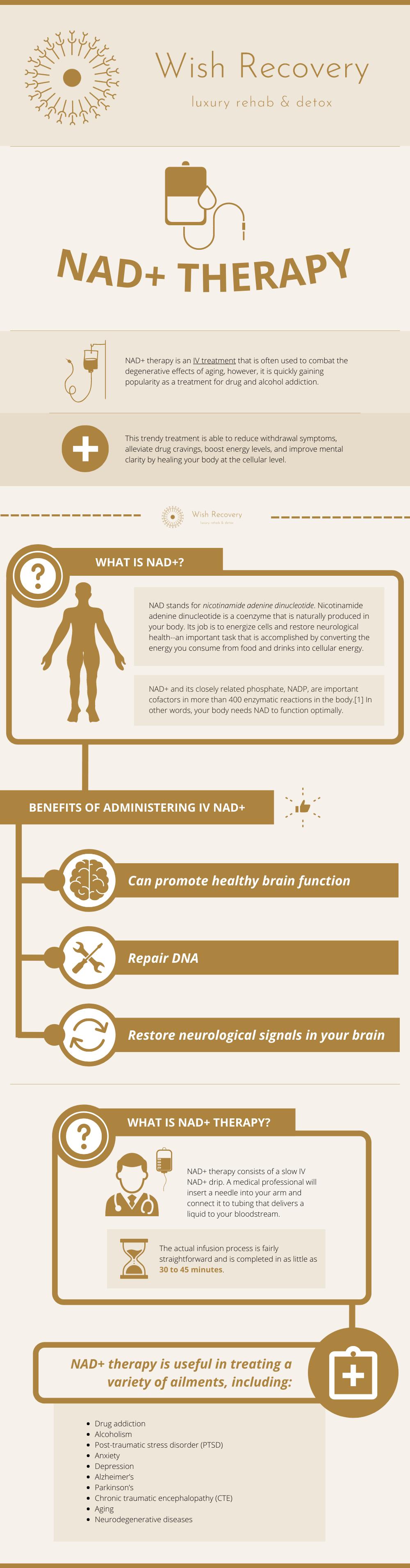
What is Nad+ Therapy: Infographic

NAD+ refers to Nicotinamide Adenine Dinucleotide. Every cell in your body has it. It is a coenzyme of vitamin B-3 or niacin, making it a small molecule that helps activate enzymes by binding to protein molecules. Enzymes are necessary because they handle over 5,000 biochemical reactions within the body.

Normalize Relapses to Focus More on Recovery from the Inevitable

Researchers, doctors, pharmaceutical chemists, and others worldwide work hard to discover and manufacture a cure for every illness experienced within the global society. Even though addiction is a disease, unfortunately, it has no cure—with approximately 44,000 people dying of drug overdose each year in the United States.


Understanding the Different Levels of Care in Continuum Treatment for Substance Abuse

The continuum treatment concept is a dynamic, multi-tiered approach to substance abuse recovery that considers every aspect of a person's mental, physical, and social well-being. It offers a range of intensities to meet each person's unique needs and provides ongoing support and guidance even after the initial treatment phase.

Continuous care is a vital aspect of continuum treatment that ensures individuals receive continuing support and resources to maintain their sobriety and prevent relapse. It is a long-term approach to recognizing addiction as a chronic disease requiring ongoing care and attention. This provides a comprehensive solution to addiction that not only helps individuals overcome their substance abuse but also equips them with the tools and resources to maintain their recovery over the long term.

This blog post aims to provide a comprehensive guide to understanding the different levels of care offered in continuum treatment for substance abuse.


California’s Holistic Approach to Addiction Treatment

California addiction treatment centers are using a multidimensional approach to transform recovery for people struggling with substance misuse. These centers offer unique programs that aim to detoxify the body, mind, and spirit to help individuals rediscover their life's purpose and sense of self.


These centers have emerged as leaders in providing effective substance misuse treatment in California. They offer hope and innovation in the state's addiction treatment landscape.


California addiction treatment centers now offer personalized care, tailoring evidence-based psychosocial therapies like cognitive-behavioral therapy, multidimensional family therapy, and functional family therapy to individuals with dual diagnosis and mental health issues.

Finding the Path to Sobriety: Exploring the Role of the Best Alcohol Rehabs in Successful Recovery Journeys

Alcohol use disorder is a global public health crisis, with around 3 million deaths annually due to harmful alcohol use, accounting for 5.3% of all deaths worldwide. The journey to sobriety is complex and often requires professional help and guidance. Alcohol rehabilitation programs offer essential support, therapies, and tools to help individuals overcome their addiction and regain control over their lives.


The best alcohol rehabs provide a structured environment that fosters healing, growth, and transformation, from detoxification to therapy, aftercare, and relapse prevention. These rehabs are pivotal in helping individuals achieve their sobriety goals and lead healthier, happier lives. Recovery from alcohol addiction is a complex process involving factors such as social identity transition, commitment to sobriety, and the role of mutual aid groups.

Thinking of Quitting Cold Turkey? Don't! Medical Detox Can Help Get Your Life Back On Track!

As humans, we are designed to adapt to our environment and habits. When we develop substance dependencies, our bodies adjust to the consistent presence of these substances. Thus, removing these substances often results in withdrawal— a series of physical and psychological symptoms. However, the process of detoxification doesn't have to be a tormenting experience if done correctly. This is where a medical detox comes into play, providing comfort and safety during this critical recovery phase.

Untangling the Threads: A Deep Dive into the Complex Intersection of Substance Use and Eating Disorders

The intricate web of the co-occurrence of eating disorders and substance misuse is a complicated dance of conditions that often pair together—creating unique challenges for individuals and health professionals alike. This tandem of troubles, known in the medical world as “comorbidity,” is a subject that is often shrouded in mystery and misconceptions. In this article, we aim to shed light on this complex connection, offering insights into how these disorders interrelate and their impact on the individuals caught in their grip.

Coping With Relapse and Seasonal Affective Disorder During the Holidays

The start of Thanksgiving heralds the approach of the holiday season and the holiday or winter blues for many. While the beginning of the holiday season can be exciting for some, luminous lights, cheerful music, and an infectious sense of goodwill can cause dread, anxiety, and even depression in others. For these people, the holidays can be a real challenge for the holiday blues or, in more severe manifestations, seasonal affective disorder (SAD), which is seasonal depression that starts manifesting during the fall and winter months. SAD affects up to 20% of the U.S. population. As with other forms of depression, many people with SAD also have co-occurring disorders or dual diagnosis of drug addiction, making the holiday blues even more disturbing and increasing the chances of relapse during this time of year.

Keeping Your Job While Going to Rehab: How to Balance Career With Recovery

Addiction to drugs or alcohol can have a profound, negative effect on a person’s ability to live a healthy, fulfilling life. Its consequences impact every aspect of a person’s well-being, from their physical and mental health to their safety and ability to have healthy relationships.