Key Takeaways
- Crack cocaine is the freebase form of cocaine, made by combining powder cocaine with baking soda and water, then heating until it hardens into rocks.
- Crack gets its name from the crackling sound it makes when smoked, sodium bicarbonate impurities popping under heat.
- Crack cocaine reaches the brain in approximately 6–8 seconds when smoked, far faster than intranasal powder cocaine.
- That speed drives the rapid development of crack cocaine addiction, and cocaine addiction treatment works.
Wish Recovery's clinical team can help you understand what rapid addiction to crack means for you or a loved one. Contact us—no pressure or commitment.
What Is Crack Cocaine?
Crack cocaine is a smokable form of cocaine made by processing powder cocaine with baking soda and water until it solidifies into rocks. It is a central nervous system stimulant drug. Cocaine is a highly addictive substance; both crack and powder cocaine are highly addictive, but crack cocaine's speed of delivery makes it among the fastest-acting. When smoked, crack cocaine reaches the brain in approximately 6–8 seconds, compared to 20–30 minutes for intranasal powder cocaine. Crack cocaine can cause dependence to develop rapidly due to this onset speed. The drug blocks the dopamine transporter, producing an intense, brief surge the brain struggles to rebalance afterward.
What Is the Difference Between Crack and Cocaine?
Crack cocaine is cocaine in its freebase form, pressed into rocks for smoking. That process, stripping away what keeps powder cocaine a powder, is what makes it a fundamentally different delivery system.
Powder cocaine, also referred to as powdered cocaine, comes in the form most people picture: a white powder that dissolves in water, which is what makes it easy to absorb through the nasal passages. Crack cocaine is made by stripping that form down to its base. Cocaine is processed with baking soda (sodium bicarbonate) and water, then heated. The heat removes what makes it a powder, and what's left is a hardened residue, the freebase form of cocaine, that can be smoked (Fukushima et al., 2019). Crack cocaine is usually an off-white to yellowish rock, sometimes called a crystal form of cocaine in street terminology, though the structure is more granular than crystalline. Whatever else gets cut into crack cocaine during production can create dangers that go beyond the cocaine itself, which is why what's actually in any given batch matters (Fukushima et al., 2019).
The name itself comes from sound, the pop and crackle of baking soda residue hitting heat. On the street it travels under a handful of others: dove, blue, boost, wave, blast (Donald et al., 2023).
Knowing what crack cocaine is, as a substance, not a symbol, is where understanding everything else begins.
How Is Crack Cocaine Made, and Why Does It Act Differently?
To the brain, crack cocaine and powder cocaine are the same molecule. The difference between crack and cocaine, or more precisely, the difference between crack and powder cocaine, isn't in the molecule itself. It's in how fast that molecule reaches the brain. Crack vs. powder cocaine isn't a chemistry distinction; it's a speed distinction.
The differences between crack cocaine and powder cocaine start at the point of use. Crack and powder cocaine take fundamentally different routes into the bloodstream. Powder cocaine is typically snorted, it dissolves easily and absorbs through the lining of the nose. But that tissue absorption takes time. A landmark study comparing different routes of use found that snorting cocaine takes approximately 50 minutes to reach its full effect in the bloodstream (Bravo et al., 2022), with most clinical estimates placing the felt onset somewhere around 20–30 minutes (Gallagher et al., 2022).
Smoking crack cocaine bypasses all of that. The lungs are built for fast transfer, a vast, blood-rich surface that moves substances directly into the bloodstream, skipping the slower absorption of nasal tissue entirely. The freebase form of cocaine also dissolves into fat more readily than the powder form does, which means it moves through brain tissue faster once it's in the blood. When crack is smoked, it reaches the brain in approximately 6–8 seconds (Bravo et al., 2022). Smoking crack and injecting powder cocaine both share this faster-delivery advantage compared to snorting, but crack cocaine and powder cocaine ultimately reach the same destination and act on the same systems. Cocaine remains the same substance in both forms. Whether someone uses crack or powder cocaine, the effects on dopamine are identical in mechanism; it is only the speed and intensity that differ. Compared to powder cocaine snorted intranasally, crack cocaine is far more addictive, a difference attributable entirely to delivery speed.
The high also doesn't last as long: smoked cocaine produces effects lasting approximately 30 minutes to an hour; snorted cocaine, one to two hours (Gallagher et al., 2022). Shorter duration, faster onset, more intense peak, these are the biological reasons crack use produces compulsive patterns so quickly and why crack cocaine addiction develops the way it does.
If you're trying to make sense of what's happening, with someone you love or with yourself, Wish Recovery's clinical team works with people navigating cocaine addiction every day. A call doesn't commit you to anything. Contact us to learn more about individualized cocaine addiction treatment.
What happens inside the brain the moment crack cocaine is smoked?
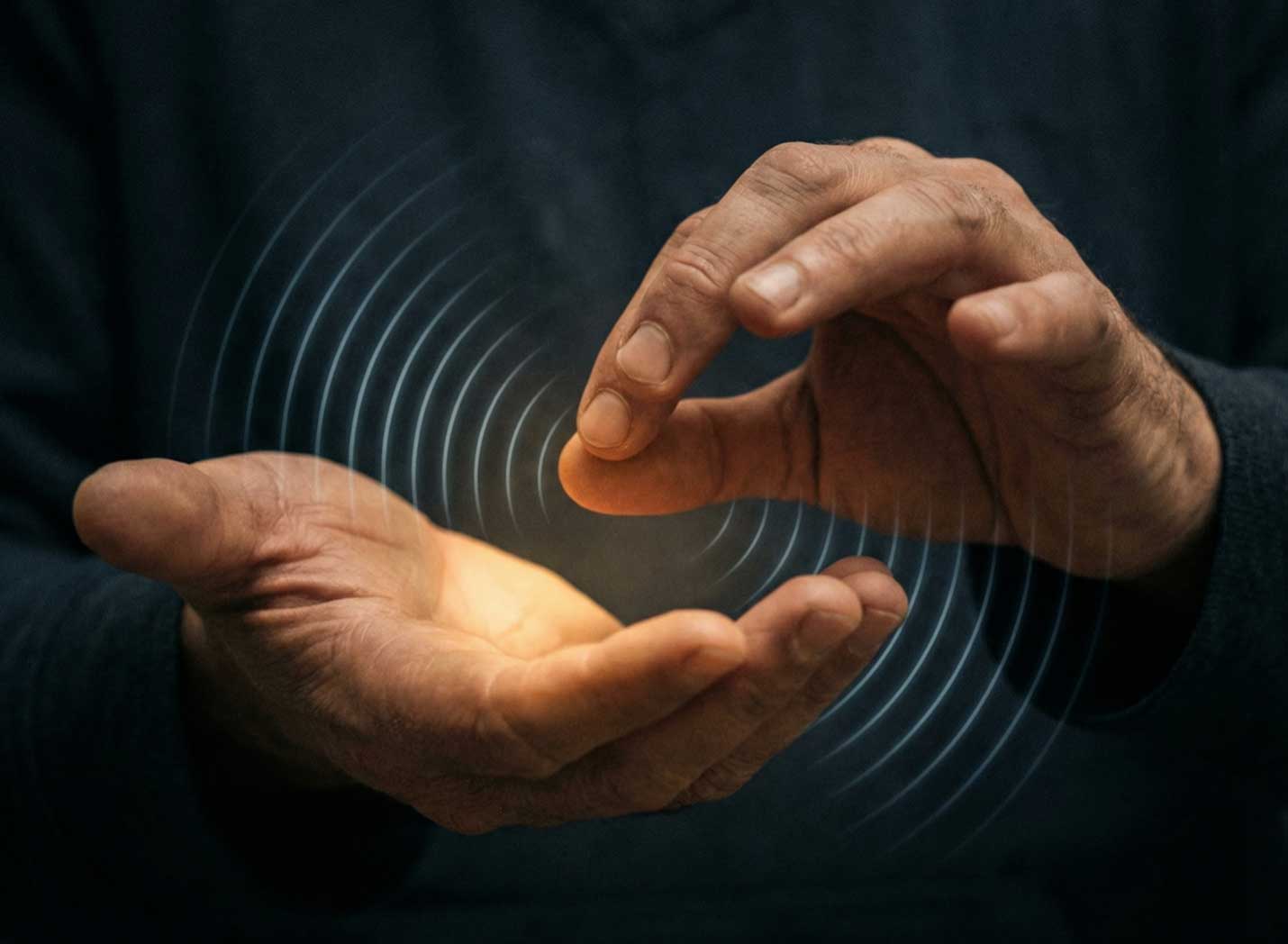
Here's what cocaine actually does inside the brain. Between any two nerve cells is a tiny gap. When something rewarding happens, or feels like it might, the brain releases dopamine across that gap. Dopamine is the chemical signal for reward, pleasure, and motivation. Normally, the cell that sent it takes the dopamine back, the feeling fades, and the system resets. Cocaine blocks that recycling process. The dopamine piles up in the gap instead of clearing, and the reward signals keep firing (Bravo et al., 2022). The result is the high from crack cocaine: an intense surge of euphoria, energy, and confidence that arrives within seconds and completely overtakes everything else.
Smoking the drug gets it to the brain faster than almost any other route, and that speed changes everything about how it hits. That surge isn't free. Because the brain has been flooded with dopamine signals it didn't produce naturally, it responds by pulling back, turning down its own dopamine activity to compensate. When the high wears off within 30 to 60 minutes, the brain isn't back to where it started. It's below it. And the compulsion to use more of the drug follows almost immediately. Using it again more frequently starts compounding the physical toll (Avellaneda-Ojeda et al., 2018). The person doesn't return to baseline. They land below it, depleted, sometimes gripped by anxiety or agitation.
This is the crash. Crack may trigger it within the hour. And the crash isn't a side effect that happens to some people, it's the direct biological consequence of the surge itself. When people use the drug repeatedly in this pattern, they become dependent on the drug, not through a single moral failure but through a predictable chemical process the brain didn't choose.
The first use doesn't feel like the beginning of addiction. It feels like chemistry doing exactly what it was designed to do.
Why does crack addiction develop faster than people expect?
This is the real question underneath most searches about crack cocaine.
The answer lives in the gap between the high and the crash. When people use crack cocaine, the high lasts only 30 minutes to an hour before the dopamine drops. The compulsion to use crack again arrives almost immediately. This is not a failure of character. It is pharmacology. The brain that experienced the surge is now in deficit, and in that state, using crack again is the fastest available resolution.
Research directly comparing smokers and intranasal users found that smoking cocaine is associated with a greater propensity for dependence and more severe consequences, with those who use crack significantly more likely to require clinical intervention (Kiluk et al., 2013). Smoked, it hits the brain faster and harder than snorted cocaine. That speed gap is what matters. The epidemic spread of crack through American cities in the 1980s, despite crack being the same drug as powder cocaine, is the most visible real-world evidence of what faster onset does to addiction risk (Kiluk et al., 2013; Bravo et al., 2022). Cocaine addiction may develop after a small number of episodes in this context, far faster than with intranasal use.
People describe crack cocaine addiction not as wanting more, but as feeling unable to not want more. That gap, between desire and compulsion, is what addiction feels like from the inside.
What does crack cocaine use do to the brain and body over time?
The long-term effects of cocaine use, particularly the effects of crack use over sustained periods, are real and worth understanding completely.
Continued cocaine use changes the physical structure of the brain, not just the way it functions. Brain scans show actual volume loss in key areas. The receptors that respond to dopamine decrease in number. Over time, the brain becomes measurably harder to please, and cocaine damages the cells responsible for producing dopamine in the first place (Favrod-Coune & Broers, 2010). People in early recovery often describe this as grayness: a flattened capacity for pleasure. The brain can rebuild, but it takes months, not days.
Physically, the side effects of crack extend throughout the body. The cardiovascular system bears significant strain: a racing heart, elevated blood pressure, reduced blood flow to the heart muscle, irregular heartbeat, and infection of the heart valves, with approximately one-fifth of cocaine overdose emergency presentations involving heart-related complications (Daniel et al., 2007).
The lungs take serious damage. Crack lung, a documented condition involving bleeding throughout the lung tissue, progressive loss of function, and respiratory failure, can be fatal. Chronic use adds more: dangerously elevated pressure in the lung's blood vessels, pneumonia and a persistent cough that doesn't clear (Gann et al., 2024; Pasha et al., 2020). Burned lip tissue, persistent coughing, and hoarseness are common signs.
Many of these effects are reversible, particularly when cocaine addiction treatment begins.
Recovery looks different than most people expect, and it's designed for where you actually are.
Wish Recovery's residential program addresses cocaine addiction alongside the full complexity of what drives it. Reach out and learn about residential treatment today.
I think someone I love might be using crack, what should I actually look for?
If someone you care about might be using crack cocaine, you may already be noticing things you can't quite name, a pattern of small wrongnesses rather than one dramatic incident.
People who use crack typically show behavioral signs before physical ones. Unexplained absences, often brief. Rapid cycles of intense energy followed by hard crashes. Crack users may present with transient hallucinations, paranoia, aggression, agitation, and anxiety, well-documented psychiatric complications of cocaine use that family members frequently observe first (Pasha et al., 2020). Financial irregularities, not one large sum missing, but small amounts gone repeatedly. When people use crack, the short duration of each high creates a cycle that demands near-constant repetition.
Using cocaine in smoked form also has visible physical signs: weight loss, burned or cracked lips, persistent coughing, and restlessness. The use of crack cocaine typically decreases sleep and appetite, and these are often among the earliest indicators noticed by family (Anghel et al., 2023). The use of crack also leaves a sharp, acrid chemical odor in enclosed spaces that family members often recognize before they name what they're noticing.
What family members most often describe isn't a single moment of clarity. It's the accumulation of small things that didn't add up, and the experience of doubting their own perception. That doubt has a name: it's what happens when someone you love is inconsistent in ways that are hard to track, and you start wondering if you're the one reading it wrong. You aren't.
Is crack really more addictive than other drugs, or is that just what everyone says?
It's a fair question. Drug abuse and addiction both get dramatized. So here's what the evidence says.
Both cocaine and crack cocaine are Schedule II controlled substances. The Drug Enforcement Administration classifies cocaine and crack together precisely because of their high abuse potential. The National Institute on Drug Abuse consistently notes that crack cocaine addiction develops faster than addiction to most other substances. According to the National Survey on Drug Use and Health, the number of people who have used crack in the past year and those who have used crack in the past underscores the ongoing public health burden of stimulant drug abuse.
Crack cocaine is among the most rapidly addictive substances known. This isn't cultural mythology. It comes down to biology: the speed of onset, the intensity of the dopamine surge, and the severity of the crash. Regardless of form or route, cocaine vs. other stimulants, the effect on the brain is the same. It is the speed and intensity of delivery that makes the critical difference (Phillips et al., 2014). Smoked cocaine produces a faster, more intense euphoria than cocaine that's snorted, and that speed difference is what drives the gap in addiction risk (Bravo et al., 2022). Cocaine addiction may progress rapidly once crack use begins.
The greater addiction risk with crack cocaine comes entirely from how it enters the body, the fact that smoking it delivers the drug faster, and not from any difference in the cocaine molecule itself (Phillips et al., 2014).
U.S. federal sentencing once imposed dramatically harsher penalties for crack cocaine offenses than for powder cocaine, despite both being the same compound pharmacologically. The Fair Sentencing Act of 2010 reduced that disparity, acknowledging that the penalties for crack weren't rooted in pharmacology and fell disproportionately on specific communities. People struggling with crack cocaine addiction deserve treatment that matches the real severity of what they're facing.
What does the day-to-day reality of crack cocaine addiction actually look like?
Crack cocaine addiction doesn't look like what's shown on television. It looks like exhaustion, spending most of your cognitive energy managing cravings, shame, and the logistics of getting more while maintaining the appearance that things are still functional.
Cocaine use typically patterns into repeated binges of several days separated by crashes of similar duration, the craving uncontrollable, relapses frequent, and the compulsion to use overriding intention in ways that are difficult to explain to someone who hasn't experienced it (Lyvers, 1998). The financial toll of crack use accumulates quickly because the cycle demands near-constant repetition.
Research has documented significant anxiety and depression among people who use crack cocaine, symptoms that both result from cocaine use and make it harder to stop, creating a cycle that feeds itself (Batista et al., 2015). Struggling with cocaine addiction means managing a full-time psychological occupation alongside the appearance of ordinary life.
Most people who develop crack cocaine addiction didn't start with crack. There's usually a story underneath: chronic pain, untreated trauma, or anxiety that was never addressed. Studies document consistent socio-demographic profiles among crack-cocaine users across populations, reflecting patterns of social marginalization (Batista et al., 2015).
The addiction is real. So is the person inside it.
You don't have to have this figured out to make the first call. Wish Recovery's team is here for exactly this moment. If you don’t know the next step but know something needs to change, we’re here. Contact us confidentially today.
Getting Help for Crack Cocaine Addiction in Los Angeles
Help for cocaine addiction exists, it works, and it looks different than it did a decade ago. Treatment for crack cocaine begins with the understanding that cocaine addiction is a brain disorder, not a moral failing, and with an honest assessment of where the person is physically, psychologically, and in terms of what has and hasn't been tried before.
For many people struggling with crack cocaine, treatment for crack abuse begins in a structured residential or partial hospitalization setting that removes immediate access to the drug and the triggers driving crack use, while the brain and body begin to stabilize. Programs designed to treat cocaine addiction may include medical monitoring during early abstinence, individual therapy, group-based interventions, and contingency management.
Two behavioral therapies have the strongest evidence behind them. Contingency management, which uses positive reinforcement to support abstinence, outperformed both standard treatment and CBT alone at 12, 26, and 52 weeks of follow-up (Vocci & Montoya, 2009; López et al., 2021). Cognitive behavioral therapy (CBT) works differently: its effects tend to deepen over time rather than fade, which makes it particularly valuable for long-term recovery (Schmitz et al., 2018). For people with co-occurring mental health conditions or trauma, integrated treatment produces significantly better outcomes.
At Wish Recovery, the 30-day program is built around the specific person who walks through the door with the goal of rebuilding what addiction eroded. Creating something that holds after discharge.

Recovery from crack cocaine is real—and here's what that looks like
The brain that crack cocaine has altered is not a broken brain. It is a brain that adapted, and adaptation moves in both directions.
Neuroplasticity is neuroscience, not a slogan. The same mechanism that allowed the brain to reorganize around crack cocaine use is the same mechanism that allows it to rebuild in recovery. Research shows the brain holds onto its own recovery tools even after sustained cocaine use. New brain cells continue to form during abstinence. The connections between existing cells continue to reshape and strengthen. The regions most affected by cocaine, including the areas responsible for memory, decision-making, and self-control, retain a real capacity to rebuild (Mandyam & Koob, 2012).
The earliest weeks are often the hardest. The dopamine baseline is still low, and cravings triggered by familiar sights, sounds, or situations can actually intensify in the first few weeks before they begin to ease, a pattern researchers call incubation of craving, which is why this window demands the most support (Wolf, 2016). A structured environment and people who don't reduce you to your worst moment make a measurable difference in outcomes.
People do recover from crack cocaine addiction. Among those who have used crack in the past or who used crack in the past year, sustained abstinence supported by structured treatment produces the best outcomes. The neuroplasticity evidence suggests partial recovery of dopamine function and cognition is achievable, and that behavioral interventions during abstinence can actively support and accelerate that brain recovery (Mandyam & Koob, 2012).
If you're reading this for yourself: the path is real. It is not easy. But it is there.
If you're reading this for someone you love: the person you knew is not gone. Recovery doesn't create someone new. It clears enough space for the person who was always there to come back.
A different step is possible
Understanding crack cocaine—what it is, what it does, and why it takes hold the way it does—doesn't make things easier. But it does make them clearer. And clarity is where every meaningful next step begins. You don't have to have it figured out. You just have to know where to start.
If you or someone you know is struggling with crack cocaine or cocaine addiction, Wish Recovery's team is available to talk, without judgment or pressure. Reach out today.
Frequently asked questions about crack cocaine
What does crack cocaine withdrawal feel like?
Crack cocaine withdrawal is primarily psychological rather than physical. When heavy use stops, the brain's dopamine levels drop well below normal, producing intense fatigue, low mood, irritability, difficulty feeling pleasure, and powerful cravings that can last days to weeks. Unlike opioid withdrawal, there are no life-threatening physical symptoms. But the psychological pull is severe, and it is one of the main reasons that stopping without support is so hard (Avellaneda-Ojeda et al., 2018; Favrod-Coune & Broers, 2010).
Can you overdose on crack cocaine?
Yes, cocaine overdose is a medical emergency. Warning signs include chest pain, racing or irregular heartbeat, difficulty breathing, seizures, and severe agitation. Cardiovascular complications account for approximately one-fifth of cocaine overdose emergency presentations, including heart attack and aortic dissection (Daniel et al., 2007). The risk increases with each use and rises sharply when crack cocaine is combined with alcohol or other substances. If you or someone nearby is showing these signs, call 911 immediately.
How long does crack cocaine stay in your system?
Cocaine itself clears from the bloodstream within hours. But its primary metabolite stays detectable much longer,typically two to four days in urine after a single use, and up to two weeks with heavy, chronic use. Hair testing can detect cocaine use for up to 90 days. Saliva and blood tests have shorter windows of one to two days (Bravo et al., 2022).
References
Anghel, D., Nițescu, G., Tiron, A., Guțu, C., & Baconi, D. (2023). Understanding the mechanisms of action and effects of drugs of abuse. Molecules, 28(13), 4969.
Avellaneda-Ojeda, A., Murtaza, S., Shah, A., & Moukaddam, N. (2018). Stimulant use disorders. Psychiatric Annals, 48(8), 372–378.
Batista, E., Klauss, J., Fregni, F., Nitsche, M., & Nakamura-Palacios, E. (2015). A randomized placebo-controlled trial of targeted prefrontal cortex modulation with bilateral tDCS in patients with crack-cocaine dependence. The International Journal of Neuropsychopharmacology, 18(12), pyv066.
Bravo, R., Faria, A., Brito-da-Costa, A., Carmo, H., Mladěnka, P., Silva, D., … & Remião, F. (2022). Cocaine: An updated overview on chemistry, detection, biokinetics, and pharmacotoxicological aspects including abuse pattern. Toxins, 14(4), 278.
Daniel, J., Huynh, T., Zhou, W., Kougias, P., Sayed, H., Huh, J., … & Lin, P. (2007). Acute aortic dissection associated with use of cocaine. Journal of Vascular Surgery, 46(3), 427–433.
Donald, R., Patel, S., Smith, M., Clayton, S., & Potru, S. (2023). Common street drug names for the anesthesiologist and pain physician. Regional Anesthesia & Pain Medicine, 48(7), 365–374.
Favrod-Coune, T., & Broers, B. (2010). The health effect of psychostimulants: A literature review. Pharmaceuticals, 3(7), 2333–2361.
Fukushima, A., Corrêa, L., Munõz, J., Ricci, E., Carvalho, V., Carvalho, D., … & Chasin, A. (2019). Crack cocaine, a systematic literature review. Forensic Research & Criminology International Journal, 7(5), 247–253.
Gallagher, J., Twohig, P., Crnic, A., & Rochling, F. (2022). Illicit drug use and endoscopy: When do we say no? Digestive Diseases and Sciences, 67(12), 5371–5381.
Gann, L., Kunin, J., Ebada, M., & Walker, C. (2024). Spectrum of thoracic imaging findings in the setting of substance abuse. Journal of Computer Assisted Tomography, 48(3), 394–405.
Kiluk, B., Babuscio, T., Nich, C., & Carroll, K. (2013). Smokers versus snorters: Do treatment outcomes differ according to route of cocaine administration? Experimental and Clinical Psychopharmacology, 21(6), 490–498.
López, G., Orchowski, L., Reddy, M., Nargiso, J., & Johnson, J. (2021). A review of research-supported group treatments for drug use disorders. Substance Abuse Treatment, Prevention, and Policy, 16(1).
Lyvers, M. (1998). Drug addiction as a physical disease: The role of physical dependence and other chronic drug-induced neurophysiological changes in compulsive drug self-administration. Experimental and Clinical Psychopharmacology, 6(1), 107–125.
Mandyam, C., & Koob, G. (2012). The addicted brain craves new neurons: Putative role for adult-born progenitors in promoting recovery. Trends in Neurosciences, 35(4), 250–260.
Pasha, A., Chowdhury, A., Sadiq, S., Fairbanks, J., & Sinha, S. (2020). Substance use disorders: Diagnosis and management for hospitalists. Journal of Community Hospital Internal Medicine Perspectives, 10(2), 117–126.
Phillips, K., Epstein, D., & Preston, K. (2014). Psychostimulant addiction treatment. Neuropharmacology, 87, 150–160.
Schmitz, J., Stotts, A., Vujanovic, A., Weaver, M., Yoon, J., Vincent, J., … & Green, C. (2018). A sequential multiple assignment randomized trial for cocaine cessation and relapse prevention: Tailoring treatment to the individual. Contemporary Clinical Trials, 65, 109–115.
Vocci, F., & Montoya, I. (2009). Psychological treatments for stimulant misuse, comparing and contrasting those for amphetamine dependence and those for cocaine dependence. Current Opinion in Psychiatry, 22(3), 263–268.
Wolf, M. (2016). Synaptic mechanisms underlying persistent cocaine craving. Nature Reviews Neuroscience, 17(6), 351–365.



 April 19, 2026

