













Wish Recovery’s Blog Category

Addiction Treatment

New Year, New Beginnings: How a Luxury Rehab Community Provides Support for Recovery

The New Year is a time to reflect and renew. We pause to consider our journey and set future goals. Many people start setting long-term recovery goals. It's more than setting addiction recovery resolutions. It's about acknowledging your intentions.


For those in luxury rehab, the milestone of reaching the start of another year can be a catalyst for profound change. It's about celebrating your progress. It's about recommitting to your recovery with the support of a community that understands and uplifts you.

Wish Recovery’s First Responders Program: Helping Our Heroes Heal

If you're among the brave souls who take on the daily challenges of being a first responder, you understand that your profession can wear on your mental and physical well-being. You bear witness to some of the most heartbreaking aspects of humanity, and you often put your safety at risk to help others. It's no wonder first responders have some of the highest rates of PTSD, alcohol use disorder, substance misuse, and other mental health disorders.

How Can I Maintain My Alcohol Recovery When Life Gets Stressful?

Struggling to stay sober during stressful times? You're not alone.
In this video, we explore practical strategies to help you maintain your alcohol recovery when life gets tough.
From mindfulness techniques to support networks and coping strategies like urge surfing, you'll discover powerful tools to stay on track.
At Wish Recovery, we provide the guidance and support you need to navigate challenges and achieve lasting sobriety. Watch now and take the next step in your recovery journey.

Cultural Sensitivity and Personalized Care in Luxury Addiction Treatment Centers: A Pathway to an Inclusive Healing Process

Have you ever wondered why some treatment programs change lives while others do not? The secret lies in truly seeing and honoring the person behind the diagnosis. Cultural sensitivity isn’t just a buzzword. It’s an important tool that can change addiction and mental health care for the better. Luxury addiction treatment centers like Wish Recovery know that real healing begins when your story, values, and identity are at the center of your care. Let’s see how personalized, culturally sensitive care can make a real difference.

Active vs. Passive Recovery Explained to Empower Your Healing Journey

Recovery is more than just quitting a substance—it’s about rebuilding your life from the inside out. But how you approach it matters.

In this video, we break down the difference between passive and active recovery and explore why engaging in professional treatment, support systems, and mental health care can make all the difference. Learn how dual diagnosis treatment addresses both addiction and co-occurring mental health conditions for lasting transformation.


The California Detox Difference

Detox, also known as withdrawal therapy, is the initial step for many individuals battling substance use disorders to manage their physical dependence on alcohol or drugs. It helps them improve comfortably before beginning a rehabilitation program. Even though Northern California has a few alternatives for inpatient or residential treatment, you’ll find most California treatment facilities in the southern part of the state. San Diego, Orange County, and Los Angeles are all now popular rehab locations.

Focus on Growth and Healing: Why Many Drug Rehabs Don’t Take Animals

The rising trend of incorporating animals into therapy and substance abuse treatment programs has sparked a valuable conversation about the policies of drug rehabs regarding animals. This article aims to delve into this intriguing subject, exploring the dichotomy between pet-friendly drug rehabs that embrace animal therapy and those that choose not to accommodate our furry friends.


The decision to exclude animals from drug rehabs can be influenced by various factors, including potential health risks, distractions that may impede the recovery process, and the risk of triggering cravings or relapse among individuals undergoing treatment. Additionally, the lack of scientific data and recognized animal models for preclinical studies may contribute to the reluctance of some drug rehabs that don’t take animals.

The Surprising Truth About Opioids in Recovery: Are They a Solution or Problem?

In this informative animated video, we explore the paradox at the heart of opioid addiction treatment: how medications like methadone and buprenorphine can play a critical role in recovery. Discover the science behind Medication-Assisted Treatment (MAT), why individualized approaches matter, and how luxury rehabilitation centers like Wish Recovery combine evidence-based therapies with holistic treatments to create comprehensive healing journeys.

After Detox and Drug Rehab, How Do You Find Work?

You've completed your treatment at a luxury drug rehab facility, and now you're ready to look for work. Gainful employment can be a very satisfying experience. It's nice to earn a livelihood and take part in the workforce again. Here are some things to keep in mind.

The Ultimate Toolkit for Overcoming Substance and Behavioral Addictions

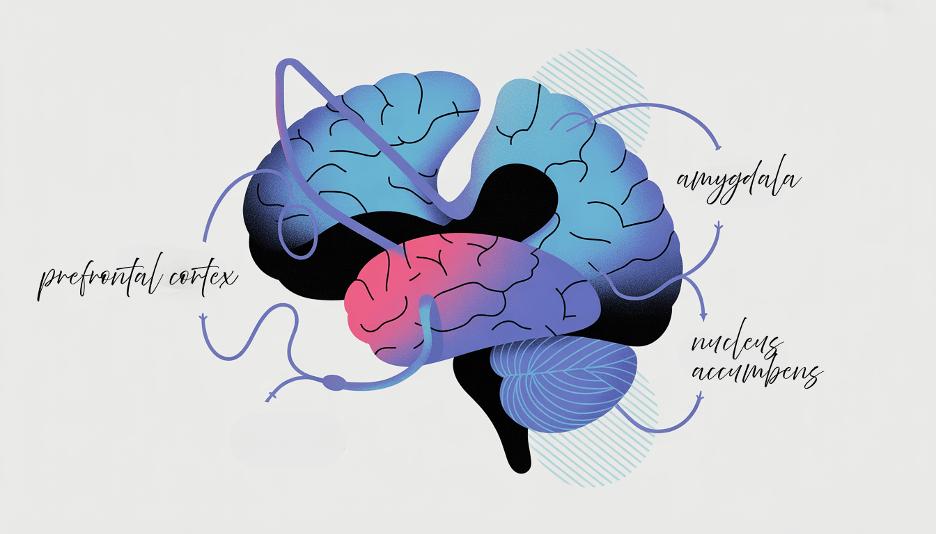
Struggling with addiction isn’t a personal failing—it’s your brain’s attempt to solve deeper issues. In “The Ultimate Toolkit for Overcoming Substance and Behavioral Addictions,” we reveal the science behind addiction and present eight powerful, evidence-based tools designed to leverage your brain’s neuroplasticity and facilitate lasting recovery.

Understanding the Definition of Addiction and Recovery

Picture this: your brain, once hijacked by addiction, discovering its remarkable ability to heal and rewire itself. The science behind addiction isn't just about understanding what went wrong—it's about unlocking the incredible potential for recovery that exists within every person.

If you or someone you love is struggling with addiction, you've likely wondered: "How did this happen? And more importantly, can it really be reversed?" The answer lies in groundbreaking neuroscience that's transforming how we understand both addiction and recovery, offering genuine hope backed by solid science.

How EMDR Works and Helps You Heal Trauma-Driven Addiction

Discover how EMDR therapy is revolutionizing addiction recovery by addressing both trauma and substance use simultaneously. This breakthrough approach helps break the cycle that keeps so many people trapped.

Did you know that up to 75% of people in addiction treatment have experienced trauma? For many, substances become a way to escape painful memories, creating a vicious cycle of trauma and addiction. But there's hope.

How Luxury Rehabs Prepare You for Long-Term Success After Rehab

Ever wonder why some people flourish after rehab while others struggle? The secret lies not just in getting sober but in building a foundation that supports lasting recovery. The journey doesn't end when treatment does—it's just beginning.

The transition from luxury rehab to everyday life can feel overwhelming. You've done the hard work of detox and therapy, but now face the challenge of applying these tools in the real world. This critical period determines whether your recovery journey leads to sustainable success or difficult setbacks.

The Healing Power of Nature: How Nature-Based Therapy Transforms Addiction Recovery

Three AM. You're pacing. Again. What if the answer to addiction recovery wasn't in a clinic—but in a garden?


Most rehab happens under fluorescent lights in rooms that smell like disinfectant. But research shows your nervous system needs something different—something living. Nature-based therapy isn't about tree-hugging platitudes. It's about using forests, gardens, and outdoor spaces as legitimate medicine alongside proven treatments like EMDR and CBT. Here's what happens when healing moves outside, and why Los Angeles rehab centers like Wish Recovery are integrating ecotherapy into comprehensive dual diagnosis care.

Understanding Alcohol Detox Symptoms: What to Expect and How to Cope

"My hands won't stop shaking. My family says I need detox. But what if I'm not that bad yet?"

Every day, someone convinces themselves they can white-knuckle through withdrawal alone. Some make it. Many don't. And a few never get another chance. Here's what actually happens when alcohol leaves your system—and why guessing about safety can cost everything.

If you're reading this at 2 AM wondering whether detox is really necessary, you're not alone. Alcohol withdrawal isn't one-size-fits-all—it ranges from uncomfortable to life-threatening, and the difference isn't always obvious until symptoms escalate. This isn't meant to scare you. It's meant to give you the information your body deserves: what withdrawal actually looks like, when medical supervision becomes non-negotiable, and how to get through it without going through it alone.

What Makes a 60 Day Treatment Program in Connecticut Successful

Understand program overview

When you begin researching a 60 day treatment program in Connecticut residents trust, you need clarity on what to expect at each stage. A 60-day inpatient rehab in Connecticut blends medically supervised detox, structured residential care, evidence-based therapies and comprehensive aftercare planning. By committing to an extended program, you give yourself the time to stabilize both physically and mentally, address deeper issues and build skills for sustained recovery.

Whether you’re facing alcohol dependence, opioid use or a dual diagnosis, a 60-day program offers a middle ground between shorter 30-day stays and long-term residential treatment. In the sections that follow, you’ll learn how detox works, what daily life looks like in an inpatient setting, which therapy models drive results and how substance-specific protocols guide your progress.

Connecticut Benzo Detox Centers That Support Your Journey

You’re researching benzo detox connecticut because you need a program that safely addresses benzodiazepine withdrawal and supports your recovery goals. Benzodiazepines, often prescribed for anxiety or sleep disorders, can lead to physical dependence even after a few weeks of use. A medically supervised detox, tailored tapering protocols and comprehensive aftercare are essential for managing withdrawal symptoms and reducing risks like seizures or psychosis. In this guide you’ll learn how detox works, what options are available in Connecticut, and how to plan your journey from your first assessment through long-term support.

What to Expect at Cocaine Rehab in Connecticut Today

When you’re researching cocaine rehab Connecticut programs, you’ll find a diverse range of options—from medically supervised detox to long-term residential care and outpatient support. With more than 230 drug and alcohol rehab centers statewide, Connecticut offers accredited facilities near urban centers and secluded retreats in rural settings. Whether you need detox services, inpatient rehab, or dual diagnosis treatment, you can tailor your recovery path to your unique needs.
 

Your Path to Healing with a 30 Day Rehab Program in Connecticut

Overview of 30 day rehab

When you’re researching addiction treatment options in your state, a 30 day rehab program in Connecticut provides a structured, supportive path to recovery. In this model, you spend roughly four weeks in a residential setting where medical detox, therapy and skill-building sessions form a cohesive plan. Many facilities combine detox services with individual counseling, group work and holistic activities so you can address the physical, emotional and behavioral aspects of substance use. Whether you enter a [detox and rehab center connecticut] or a [residential treatment program connecticut], you’ll find a consistent routine designed to foster safety and accountability.

What You Need to Know About Opioid Rehab Connecticut Services

When you search for opioid rehab connecticut, you face a complex landscape of treatment options, facility types and payment considerations.Whether you need medically supervised detox, inpatient care, dual diagnosis support or a specialized fentanyl treatment program, Connecticut offers structured pathways to support your recovery journey. This guide walks you through detox procedures, inpatient structures, therapy models, timelines and substance-specific protocols, helping you make informed decisions about your treatment.