













Wish Recovery’s Blog Category

Alcohol Addiction

Healing from Addiction with the Brain's Neuroplasticity

For decades, people thought that once the brain got damaged, it could not repair itself. However, scientists have found that the brain can regenerate neurons and form new connections in recent years. Researchers have also found out that if they can make old cells function better or produce new ones, they can slow down or even reverse many of the effects of aging on the brain.

Your Body Keeps the Score: The Physical Signs of Unhealed Trauma

Four specialists. Every test. And they all say there's nothing physically wrong with you. But your body knows different. It's been trying to tell you something.

But every doctor says the same thing: "All your tests came back normal. Have you tried managing your stress?"

As if that explains why your jaw clenches in your sleep. Why your heart races when you're just sitting there. Why chronic pain lives in your body without a visible cause.

What if they're asking the wrong questions?

The Relapse That Saved My Life: Why Setbacks Aren't Failures

Relapse isn't failure—it's the middle of your recovery story. If you used again after weeks, months, or even a year sober, that voice screaming "failure" is operating with incomplete information. This video unpacks what your brain actually built during your sober time, why most people who make it long-term got there through detours, and one 90-second practice you can do right now.

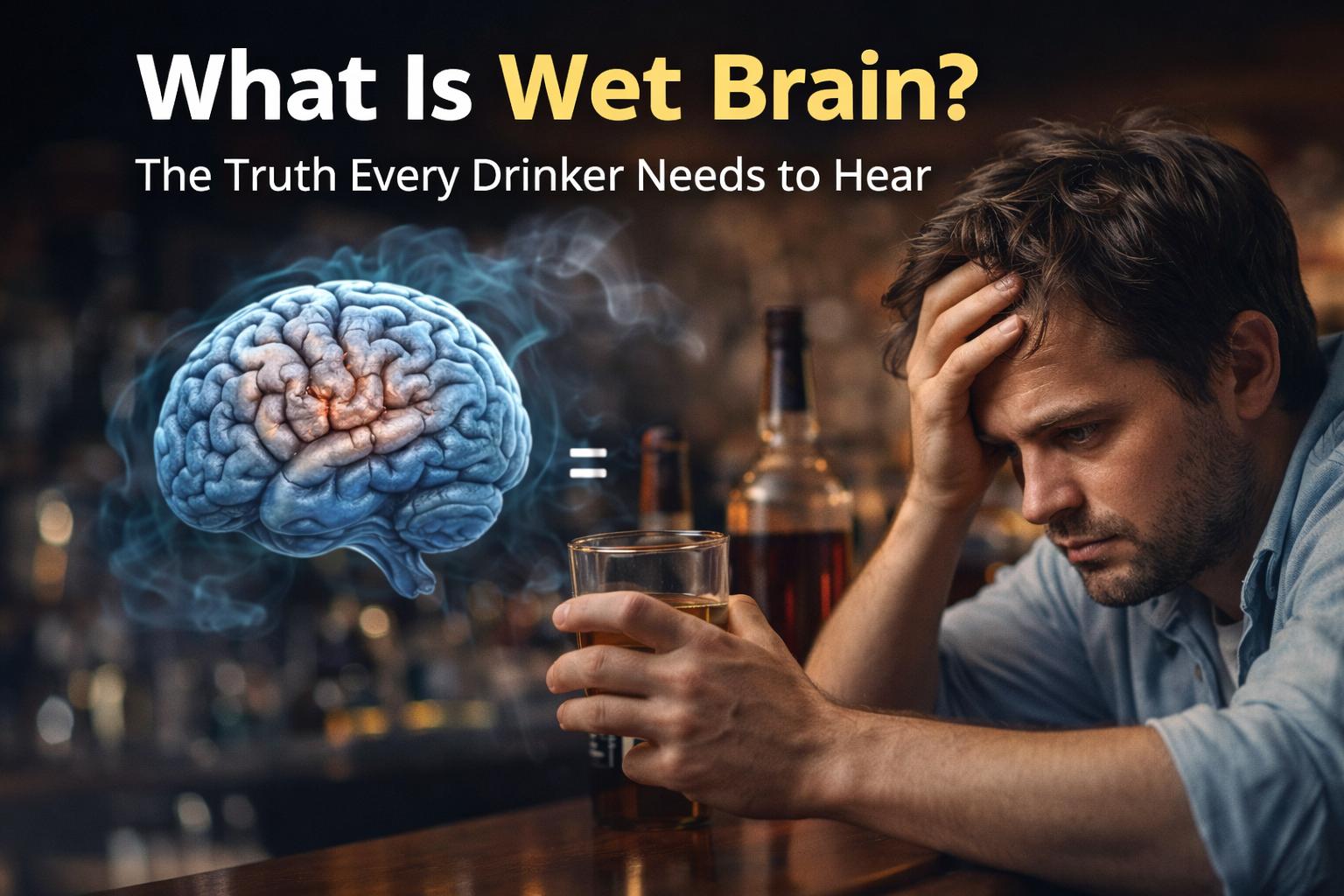
What is Wet Brain? The Risky Truth Every Drinker Needs to Hear Now

Here's something they don't mention during happy hour: hours—not months—separate reversible brain damage from a permanent condition that steals your ability to form new memories. It's called wet brain, and it happens to people who never thought they were "that kind of drinker."

You might have heard it mentioned in passing. Maybe you laughed it off as something that only happens to people on the street. But Wernicke-Korsakoff syndrome isn't picky about zip codes or tax brackets. It shows up in boardrooms and studio apartments alike, and it doesn't wait until you "hit rock bottom" to begin its work.

Are Drunk Words Sober Thoughts? What Psychology Says

You said something last night you can’t take back. Or maybe someone said something to you—and now you’re lying awake wondering if the alcohol cracked open something real. The old saying claims drunk words are sober thoughts. But what if the truth is messier, more human, and worth understanding on its own terms?

Key takeaways

  • Alcohol lowers inhibitions but also distorts perception, judgment, and emotional intensity.
  • Drunk words may carry fragments of real feeling—rarely the whole truth.
  • What you do after the confession matters more than what was said during it.
  • And patterns of drunk confessions may signal a relationship with alcohol worth examining.

If what was said last night is still echoing, you don’t have to sort through it alone. Talk to someone who understands—reach out to Wish Recovery today.

Alcohol Detox Near Me: What You Need to Know Before You Call

You typed those words into a search bar because something shifted.

Maybe it was a morning that started with shaking hands, or a conversation you can't quite remember. Maybe someone you love is disappearing into a pattern you recognize but can't name. Whatever brought you here, the search itself took something—a small admission, a crack in the denial, the first acknowledgment that this might be bigger than willpower can handle.

This guide explains what alcohol detox involves, how to evaluate drug and alcohol rehab centers near you, and what separates detox programs that only manage withdrawal from those that build a foundation worth standing on. Whether you're entering treatment for the first time or looking for a better fit after past attempts, understanding your options matters.

Luxury Rehab Not Malibu: Why Northridge Wins for Privacy, Safety, and Family Connection

I don't want to go to Malibu. There. I said it out loud—the quiet thought most people won't admit when researching luxury rehab centers in California. You're supposed to want Malibu. The ocean views, the celebrity association, the prestige. Except Malibu has become synonymous with surveillance, fire evacuations, and a two-hour drive from the people who matter most. If you're searching for a luxury rehab not Malibu, you already know something feels off. Let's talk about what actually matters when your life—or someone you love—depends on getting this right.

Key takeaways

  • Northridge sits minutes from Level II trauma centers—Malibu requires a 30-45 minute drive on roads that close
  • When PCH shuts down for fires or mudslides, medical emergencies during detox become genuine crises
  • The Valley's residential neighborhoods offer real privacy—no paparazzi staking out "rehab row"
  • Your family can visit without losing a workday—20-35 minutes beats the two-hour Malibu pilgrimage

Does PPO Insurance Cover Luxury Rehab in Los Angeles? Your California Guide

You found this page because someone you love needs help, or because you need it yourself. You're carrying the weight of that knowledge and the dread of a number you haven't seen yet. That fear is real. So is the answer you're looking for. Your PPO insurance plan likely covers medically supervised detox and drug and alcohol rehab in California, including inpatient rehab at a luxury treatment center in Los Angeles. This guide explains exactly how, what to expect, and what protections you have.

Key takeaways

  • PPO insurance covers the clinical treatment (medically supervised detox, therapy, psychiatric support), not the luxury amenities at a private rehab facility.
  • California's SB-855 (2020) requires your PPO plan to cover substance use disorder treatment at full parity with medical care.
  • A co-occurring mental health condition alongside addiction often strengthens, not weakens, your medical necessity case with insurers.
  • Insurance verification for rehab typically takes 24 to 48 hours, and a qualified admissions team should handle this for you.

You don't have to figure this out alone. Wish Recovery's admissions team is available now to answer your questions and walk you through your options—no pressure, no commitment required.

Mental Health Awareness Month 2026: See the Person, Support the Journey – How Dual Diagnosis Luxury Care Creates More Good Days in Recovery

Something's off. You've known it for a while. Maybe it shows up as anxiety you can't shake, depression that won't lift, or a substance you reach for just to feel like yourself again. This is Mental Health Awareness Month 2026, and this year the conversation about addiction and dual diagnosis finally sounds like it was written for you.

Key takeaways

  • Three out of four people with substance use disorder also experience symptoms of at least one mental health condition
  • Mental Health Awareness Month 2026 and SAMHSA's "More Good Days Together" theme put dual diagnosis at the center of the national mental health conversation
  • Getting help for addiction and mental health at the same time works far better than treating one and waiting on the other
  • Where you heal matters as much as how you heal—safety, privacy, and a small supportive group are part of what makes recovery stick

If you're managing both addiction and a mental health condition, Wish Recovery's integrated dual diagnosis program in LA offers personalized, confidential care built for exactly this. Start the conversation here.

Luxury Residential Rehab in Los Angeles: Dual Diagnosis Care

You don't drink to get drunk. You drink to get quiet. To slow the noise, soften the edge of a day that wouldn't let up. That's a story worth sitting with—because what it's pointing at has a name, a clinical profile, and a treatment designed specifically for it.

Key takeaways

  • Co-occurring anxiety and alcohol use disorder affect roughly 1 in 5 people seeking treatment for either condition alone (Turner et al., 2018).
  • Treating addiction without addressing underlying trauma measurably increases relapse risk—integrated treatment produces better outcomes (Mangrum et al., 2006).
  • Federal law protects your job while you're in residential treatment — most people don't know that, and it changes everything (U.S. Department of Labor, 29 CFR § 825.119).
  • What separates a real luxury addiction treatment center from an expensive backdrop is clinical depth—structure, integration, and care built around the whole person.
  •  

If any of this sounds familiar, you don't have to sort it out alone.
Talk to the
Wish Recovery team—we've heard it before, and nothing you share will shock us.

Can GLP-1s Treat Alcohol Use Disorder? 2026 Research

You typed something into a search bar tonight that you've been thinking about for weeks. Maybe months. Something about GLP-1, alcohol, and whether the stories about Ozempic and drinking are pointing toward something real. We've been watching this research too, and we want to share what we've learned.

Key Takeaways

  • New 2026 research shows semaglutide can reduce alcohol cravings and heavy drinking days.
  • GLP-1 medications work on the brain's reward system, where the pull toward drinking lives.
  • Semaglutide isn't FDA-approved for alcohol use disorder—it's used off-label with medical supervision.
  • Medication alone doesn't replace therapy, dual-diagnosis care, or the structure of residential treatment.

You don't have to figure out whether this applies to you alone. Reach out to our team at Wish and start a private, no-pressure conversation. Talk to Someone at Wish

How Long Does Alcohol Stay in Your System? Guide

You're three drinks in at happy hour and your phone's out—calculator open, Google search running, mental math happening. If I stop now and leave in two hours, am I safe to drive? If I have that test tomorrow, will this show up? Every website gives a different answer regarding how long it takes to detect alcohol in your system.Some say hours, some say days, some say it depends on a dozen factors they don't actually explain.

Here's what's actually happening in your body when drinking alcohol, exactly how long alcohol stays detectable, and when these questions might mean something bigger than just tonight's logistics.

Choose the Right Alcohol Rehab in New York for Success

You’ve taken an important step by researching alcohol rehab in New York to support your recovery journey. With hundreds of programs across the state—from medically supervised detox to long-term residential care—you have choices that can match your needs, budget and clinical requirements. New York accounts for more substance abuse treatment admissions than any other state, and with 648 rehab centers available, you can find services close to home or in quieter rural settings. Understanding the spectrum of options—medical detox, inpatient and outpatient care, dual diagnosis programs and substance-specific tracks—will help you select the right path toward lasting sobriety.

Your Guide to Top Detox and Rehab Centers in Connecticut

As you research a detox and rehab center Connecticut residents rely on, you need clear insights into detox procedures, inpatient care structures, therapy models, treatment timelines, and substance-specific protocols. In this guide, you’ll find an overview of medical detox, residential and partial hospitalization programs, evidence-based therapies, and specialized tracks for opioids, stimulants, and co-occurring disorders. Whether you’re exploring drug rehab in connecticut or seeking comprehensive dual diagnosis support, this resource will help you weigh your options and take the next steps toward lasting recovery.

Why Alcohol Detox in Kentucky Is a Vital Step for You

You may be exploring alcohol detox in Kentucky as the first critical step in your journey toward lasting recovery. Alcohol detox in Kentucky provides medically supervised withdrawal management designed to keep you safe and comfortable while your body clears toxins. Whether you’re dealing with severe withdrawal symptoms or seeking a smooth transition into residential care, understanding how detox works and what options are available in your state can empower you to make informed decisions about your health.

Luxury Rehab vs. Traditional Rehab: Holistic Therapy for Recovery

What Makes Luxury Rehab Differ from Traditional Rehab: The Ultimate Guide to Holistic Therapy for Addiction Recovery

Ever wondered why some people recover from addiction while others struggle for years? The shocking truth is that for many recovery success stories, the healing environment played a more significant role than personal willpower alone. In the battle against addiction, where you heal matters just as much as how you heal.

How the Environment in Addiction Recovery Shapes the Luxury Rehab Experience

Ever wondered why some prefer luxury rehabs over local centers for addiction treatment? The answer is beyond opulence. It's about creating a place that not only treats addiction but also transforms the soul.

In addiction recovery, the setting plays a crucial role in the healing process. Luxury detox and rehab centers, often in serene landscapes, offer more than comfort. They are sanctuaries for self-discovery and sobriety.

This blog post examines how luxury rehab designs improve treatment. We explore how the surroundings and quality of care can affect recovery—from tranquil architecture to personalized treatment plans to holistic amenities.

You Don't Have to Disappear to Get Better: What Short-Term Medical Detox in Los Angeles Can Actually Change

Maybe you've been telling yourself you can handle this on your own. Or maybe "I don't have time" has quietly become the reason you keep postponing a conversation your body has been trying to start for a while. Both can be true at once—the awareness that something needs to change, and the very real sense that your life doesn't have room for a month away. Short-term medical detox in Los Angeles exists for exactly that space.

Key takeaways:

  • Medical detox safely clears substances from the body in 3–14 days, with timelines varying by substance.
  • Work and family obligations are clinically real barriers—short-term detox is a valid, evidence-based option.
  • Where you detox matters medically: environment, oversight, and dual diagnosis care all affect outcomes.
  • Detox is the beginning, not the end—what follows determines long-term recovery.


If you're trying to understand what your options actually are, we're here to help you think it through.
Talk to someone on our team—no pressure, no commitment, just a real conversation.

The Instagram Lie: Why “Good Vibes Only” Is Toxic for Recovery | Luxury Rehab in Los Angeles

Luxury drug and alcohol rehab in Los Angeles | Wish Recovery

Your recovery doesn't look like the highlight reel—and maybe that's not the problem.

If you've ever smiled through the gratitude posts while falling apart in private, this one's for you. In this video, we're talking about what "good vibes only" culture actually costs people in recovery, why toxic positivity is so hard to name when it's dressed up as wellness, and what healing honestly looks like when it isn't performing for an audience.

This isn't another inspirational pep talk. It's a real conversation about the pressure to stay "above water"—and what happens when you're not.