













Wish Recovery’s Blog Category

Alcohol Addiction

Social Media’s Impact on Addiction Recovery: Staying Connected Without Triggering a Relapse

Social media has become an integral part of our daily lives. From connecting with friends and family to staying up-to-date with the latest news and trends, social media has transformed how we interact with the world. However, social media can be a double-edged sword for those struggling with addiction recovery. While it provides a platform for connecting with others and seeking support, it can also trigger a relapse and hinder recovery.

How Do You Deal with Dual Diagnosis?

Dual diagnosis isn't itself a diagnosis, but it is a term that describes co-occurring conditions of a substance use disorder and mental illness.

Understanding Dual Diagnosis, Co-Occurring Disorders, and Integrated Treatment

The Substance Abuse and Mental Health Services Administration (SAMHSA) reports that 8% of the United States adult population has a mental health disorder. If you look at half of those people, they also live with a co-occurring substance use disorder (SUD) or alcohol addiction.
 

Using CBT for Alcohol Use Disorder Treatment

Entering an inpatient rehab facility for alcohol detox, prescription drug rehabilitation, or some other detox for substance use disorder is an excellent first step in taking you down the right path headed to your recovery. The road to abstinence isn't easy, but it isn't that hard with the proper support.

Individual Therapy vs Group Therapy

A comprehensive recovery program will give patients access to various treatments and forms of psychotherapy. Group therapy and individual therapy are integral components of any high-quality treatment center. This article will explore the differences between individual and group treatment, the advantages, and how both are critical to long-term recovery. 

Building a Strong Foundation: The Power of Structure and Routine in Recovery

Embarking on a path to addiction recovery is not for the faint of heart. It's a journey with ups and downs, requiring a whole heap of grit and a robust support system. One key component of this process is the establishment of structure and routine. It may sound a bit mundane, but trust us, it's like the scaffolding that holds up a skyscraper. Solidifying new habits for your sober lifestyle is essential to achieve lasting success—the bedrock of a stable foundation. This stability empowers individuals to develop self-discipline, enhance their mental health, and bolster their overall well-being.

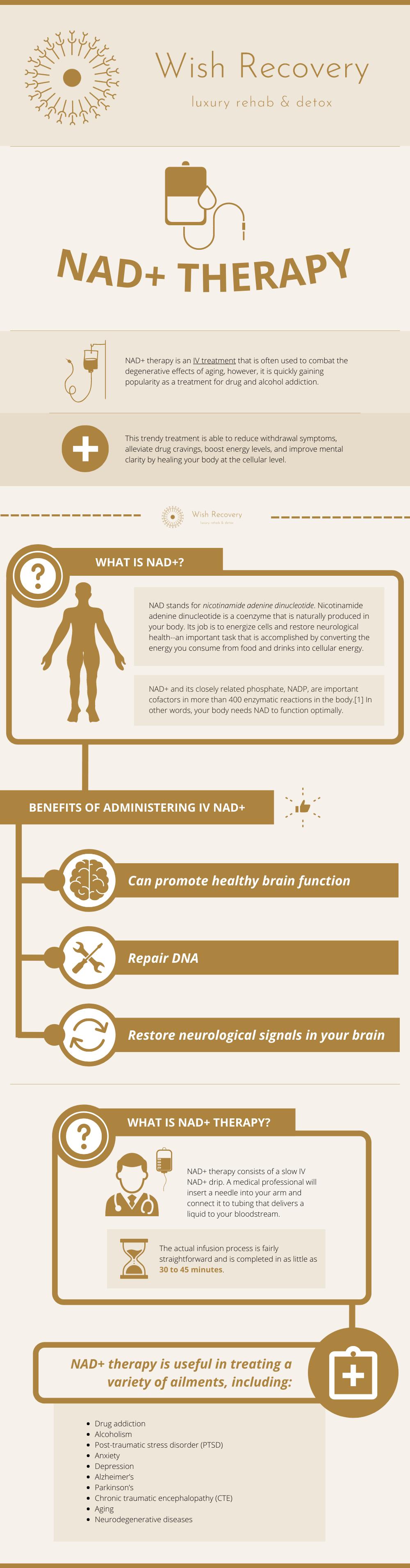
What is Nad+ Therapy: Infographic

NAD+ refers to Nicotinamide Adenine Dinucleotide. Every cell in your body has it. It is a coenzyme of vitamin B-3 or niacin, making it a small molecule that helps activate enzymes by binding to protein molecules. Enzymes are necessary because they handle over 5,000 biochemical reactions within the body.

Understanding the Different Levels of Care in Continuum Treatment for Substance Abuse

The continuum treatment concept is a dynamic, multi-tiered approach to substance abuse recovery that considers every aspect of a person's mental, physical, and social well-being. It offers a range of intensities to meet each person's unique needs and provides ongoing support and guidance even after the initial treatment phase.

Continuous care is a vital aspect of continuum treatment that ensures individuals receive continuing support and resources to maintain their sobriety and prevent relapse. It is a long-term approach to recognizing addiction as a chronic disease requiring ongoing care and attention. This provides a comprehensive solution to addiction that not only helps individuals overcome their substance abuse but also equips them with the tools and resources to maintain their recovery over the long term.

This blog post aims to provide a comprehensive guide to understanding the different levels of care offered in continuum treatment for substance abuse.


California’s Holistic Approach to Addiction Treatment

California addiction treatment centers are using a multidimensional approach to transform recovery for people struggling with substance misuse. These centers offer unique programs that aim to detoxify the body, mind, and spirit to help individuals rediscover their life's purpose and sense of self.


These centers have emerged as leaders in providing effective substance misuse treatment in California. They offer hope and innovation in the state's addiction treatment landscape.


California addiction treatment centers now offer personalized care, tailoring evidence-based psychosocial therapies like cognitive-behavioral therapy, multidimensional family therapy, and functional family therapy to individuals with dual diagnosis and mental health issues.

Finding the Path to Sobriety: Exploring the Role of the Best Alcohol Rehabs in Successful Recovery Journeys

Alcohol use disorder is a global public health crisis, with around 3 million deaths annually due to harmful alcohol use, accounting for 5.3% of all deaths worldwide. The journey to sobriety is complex and often requires professional help and guidance. Alcohol rehabilitation programs offer essential support, therapies, and tools to help individuals overcome their addiction and regain control over their lives.


The best alcohol rehabs provide a structured environment that fosters healing, growth, and transformation, from detoxification to therapy, aftercare, and relapse prevention. These rehabs are pivotal in helping individuals achieve their sobriety goals and lead healthier, happier lives. Recovery from alcohol addiction is a complex process involving factors such as social identity transition, commitment to sobriety, and the role of mutual aid groups.

Untangling the Threads: A Deep Dive into the Complex Intersection of Substance Use and Eating Disorders

The intricate web of the co-occurrence of eating disorders and substance misuse is a complicated dance of conditions that often pair together—creating unique challenges for individuals and health professionals alike. This tandem of troubles, known in the medical world as “comorbidity,” is a subject that is often shrouded in mystery and misconceptions. In this article, we aim to shed light on this complex connection, offering insights into how these disorders interrelate and their impact on the individuals caught in their grip.

Coping With Relapse and Seasonal Affective Disorder During the Holidays

The start of Thanksgiving heralds the approach of the holiday season and the holiday or winter blues for many. While the beginning of the holiday season can be exciting for some, luminous lights, cheerful music, and an infectious sense of goodwill can cause dread, anxiety, and even depression in others. For these people, the holidays can be a real challenge for the holiday blues or, in more severe manifestations, seasonal affective disorder (SAD), which is seasonal depression that starts manifesting during the fall and winter months. SAD affects up to 20% of the U.S. population. As with other forms of depression, many people with SAD also have co-occurring disorders or dual diagnosis of drug addiction, making the holiday blues even more disturbing and increasing the chances of relapse during this time of year.

Keeping Your Job While Going to Rehab: How to Balance Career With Recovery

Addiction to drugs or alcohol can have a profound, negative effect on a person’s ability to live a healthy, fulfilling life. Its consequences impact every aspect of a person’s well-being, from their physical and mental health to their safety and ability to have healthy relationships.

New Year, New Beginnings: How a Luxury Rehab Community Provides Support for Recovery

The New Year is a time to reflect and renew. We pause to consider our journey and set future goals. Many people start setting long-term recovery goals. It's more than setting addiction recovery resolutions. It's about acknowledging your intentions.


For those in luxury rehab, the milestone of reaching the start of another year can be a catalyst for profound change. It's about celebrating your progress. It's about recommitting to your recovery with the support of a community that understands and uplifts you.

Wish Recovery’s First Responders Program: Helping Our Heroes Heal

If you're among the brave souls who take on the daily challenges of being a first responder, you understand that your profession can wear on your mental and physical well-being. You bear witness to some of the most heartbreaking aspects of humanity, and you often put your safety at risk to help others. It's no wonder first responders have some of the highest rates of PTSD, alcohol use disorder, substance misuse, and other mental health disorders.

How Can I Maintain My Alcohol Recovery When Life Gets Stressful?

Struggling to stay sober during stressful times? You're not alone.
In this video, we explore practical strategies to help you maintain your alcohol recovery when life gets tough.
From mindfulness techniques to support networks and coping strategies like urge surfing, you'll discover powerful tools to stay on track.
At Wish Recovery, we provide the guidance and support you need to navigate challenges and achieve lasting sobriety. Watch now and take the next step in your recovery journey.

Cultural Sensitivity and Personalized Care in Luxury Addiction Treatment Centers: A Pathway to an Inclusive Healing Process

Have you ever wondered why some treatment programs change lives while others do not? The secret lies in truly seeing and honoring the person behind the diagnosis. Cultural sensitivity isn’t just a buzzword. It’s an important tool that can change addiction and mental health care for the better. Luxury addiction treatment centers like Wish Recovery know that real healing begins when your story, values, and identity are at the center of your care. Let’s see how personalized, culturally sensitive care can make a real difference.

Active vs. Passive Recovery Explained to Empower Your Healing Journey

Recovery is more than just quitting a substance—it’s about rebuilding your life from the inside out. But how you approach it matters.

In this video, we break down the difference between passive and active recovery and explore why engaging in professional treatment, support systems, and mental health care can make all the difference. Learn how dual diagnosis treatment addresses both addiction and co-occurring mental health conditions for lasting transformation.


The California Detox Difference

Detox, also known as withdrawal therapy, is the initial step for many individuals battling substance use disorders to manage their physical dependence on alcohol or drugs. It helps them improve comfortably before beginning a rehabilitation program. Even though Northern California has a few alternatives for inpatient or residential treatment, you’ll find most California treatment facilities in the southern part of the state. San Diego, Orange County, and Los Angeles are all now popular rehab locations.

Focus on Growth and Healing: Why Many Drug Rehabs Don’t Take Animals

The rising trend of incorporating animals into therapy and substance abuse treatment programs has sparked a valuable conversation about the policies of drug rehabs regarding animals. This article aims to delve into this intriguing subject, exploring the dichotomy between pet-friendly drug rehabs that embrace animal therapy and those that choose not to accommodate our furry friends.


The decision to exclude animals from drug rehabs can be influenced by various factors, including potential health risks, distractions that may impede the recovery process, and the risk of triggering cravings or relapse among individuals undergoing treatment. Additionally, the lack of scientific data and recognized animal models for preclinical studies may contribute to the reluctance of some drug rehabs that don’t take animals.