Wish Recovery’s Blog Category

Alcohol Addiction

Outside the Box: Non-Traditional Ways to Find Support in Recovery

During the challenging journey of recovering from addiction, it's common for people to seek support from non-traditional sources. These sources can provide unique benefits that can significantly impact the success of the recovery process. From holistic therapies and peer support groups to digital counseling platforms, these unconventional methods are increasingly recognized for their potential to supplement traditional therapeutic approaches.


Addressing the many aspects of addiction, they help individuals regain control over their lives, promoting resilience, self-awareness, and personal growth. This often leads to better treatment adherence, lower relapse rates, and a more comprehensive healing process that acknowledges the complexities of addiction. As a result, non-traditional sources of support are becoming an essential component of comprehensive treatment strategies, potentially revolutionizing the recovery landscape.


The Deadly Truth About Drinking and Driving

Many people believe that it’s OK to drink and drive because they are responsible people. But the truth is, getting behind the wheel after drinking alcohol can have devastating consequences for those around you, as well as yourself. Drinking and driving can have severe impacts on not just your safety but also others—from minor injuries to severe injuries to fines to jail time to death. Too many people believe in the fallacy of immunity that it can’t happen to them. Even if you’ve never had an accident because of drunken driving, it doesn’t mean that you aren’t responsible for other people’s lives when you drink and drive.

Is Self-Medicating with Drugs and Alcohol Like Addiction?

When people are going through difficult times, they often turn to substances to help them get through the day. They turn to alcohol, marijuana, prescription pills and other substances to help them manage their emotions and feelings. Some people may use home remedies or drugs and alcohol to help them sleep, be social or manage pain. But how is what they’re doing any different than what people diagnosed with addiction are doing? This article will look at other aspects of self-medicating and discuss whether it is the same as substance use disorder.

Reliable Alcohol Rehab in New Jersey Facilities for You

When you’re evaluating alcohol rehab in New Jersey, it helps to know how services are organized and funded. The New Jersey Division of Mental Health and Addiction Services (DMHAS) serves as the state’s single authority for policy on substance use disorder treatment, prevention, and recovery support services, including alcohol rehab in New Jersey. DMHAS funds a full continuum of care—from detoxification and outpatient support to short- and long-term residential programs—while private providers follow American Society of Addiction Medicine (ASAM) placement criteria to guide treatment decisions.


Decoding Excellence: A Deep Dive into What Makes a Rehab One of the Best Addiction Treatment Centers

Severe substance use disorder or addiction is a complex and widespread condition that has a devastating impact on millions of individuals and families across the globe. Addiction treatment centers offer a glimmer of hope by providing the necessary support and resources to overcome substance use disorders. However, with so many treatment options available, identifying a rehab center that excels can be challenging. The hallmark of such a center isn’t merely its luxury or expense but its personalized and comprehensive approach to addressing the multifaceted aspects of addiction.


This article aims to highlight the defining characteristics of top-tier addiction treatment centers. We will explain the key components that set these centers apart, focusing on their ability to foster long-term recovery and lasting sobriety. We aim to help individuals and their loved ones prioritize effective, reliable, and personally tailored addiction treatment.

Firefighter Addiction Recovery Through the Fire: Extinguishing Substance Abuse

Recent studies show firefighters are more susceptible to addiction and substance abuse than the average person. Studies have shown that anywhere from 40% to 85% of firefighters report drinking alcohol in the past 30 days, and around 50% report binge drinking. Additionally, they are more prone to misusing prescription drugs. The unprecedented pressures and traumatic experiences linked to their profession may play a role in the onset of addiction and substance misuse.


Firefighters face physical and mental challenges and require access to rehabilitation and addiction treatment. The issue of substance abuse and addiction is a serious concern as it can significantly impede an individual's ability to carry out their responsibilities safely and effectively. This can have negative consequences on their overall health and well-being. Firefighters struggling with addiction can find the necessary support to overcome their challenges and return to their duties with renewed energy and focus through rehab and addiction treatment.

Your Guide to Quality Alcohol Rehab in Nebraska

If you’re seeking alcohol rehab in Nebraska, you’ll find a range of programs designed to help you overcome alcohol use disorder, manage withdrawal, and build lasting recovery. Alcohol rehab in Nebraska emphasizes comprehensive care that addresses both the physical and psychological aspects of addiction. Whether you need a medically supervised detox, inpatient stabilization, or long‐term residential therapy, you can access evidence‐based services across the state.

Five Things Not to Do or Say When Your Loved One Is in Rehab

Many people in recovery feel embarrassed or ashamed. Because of how others treat them, many people have problems talking about their drug use, which causes dread and prevents them from obtaining the care they genuinely need. This article will discuss five things to avoid when dealing with such a circumstance and how to communicate to your loved ones without making them feel worse or wanting to clam up and stop getting therapy.

What Does It Mean to Practice Self-Care in Recovery?

Sobriety is just one aspect of recovery. A new life awaits you if you stop using drugs or alcohol. Self-care is at the heart of a significant transition.
We all require a tune-up when we become clean since drug abuse has ravaged our health. Drug and alcohol abuse is harmful to the body, mind, and soul. Those with substance use disorders who have been inactive in their recovery treatment for months or years must take the necessary steps to rehabilitate and preserve their health.

How Luxury Residential Treatment Centers Heal Relationships Damaged by Addiction

Ever wondered how luxury inpatient rehab centers transform shattered relationships into bonds that last a lifetime? Discover the exclusive, holistic approach that not only paves the way to sobriety but also heals the emotional wounds of addiction—rebuilding trust, fostering honest communication, and creating a future full of hope.

The Differences Between Drug Addiction and Obsession

Most people think of substance use as things like alcohol and drugs when it comes to addictions. When it comes to compulsions and obsessive behaviors, the first things that come to mind are gambling, hoarding and eating disorders.

Luxury Rehab in LA: Breaking Stigma Through Quality Care

Ever wondered why some people roll their eyes at the mention of "luxury rehab"?
The truth is that quality care isn't a luxury—it's the key to breaking addiction's grip.

When addiction strikes, treatment shouldn't feel like punishment. Yet stigma keeps many from seeking help, especially when they hear whispers about "fancy rehabs for celebrities." However, what people often overlook is that luxury rehab centers in Los Angeles are revolutionizing recovery by prioritizing holistic healing, personalized care, and dignity, not just luxurious amenities

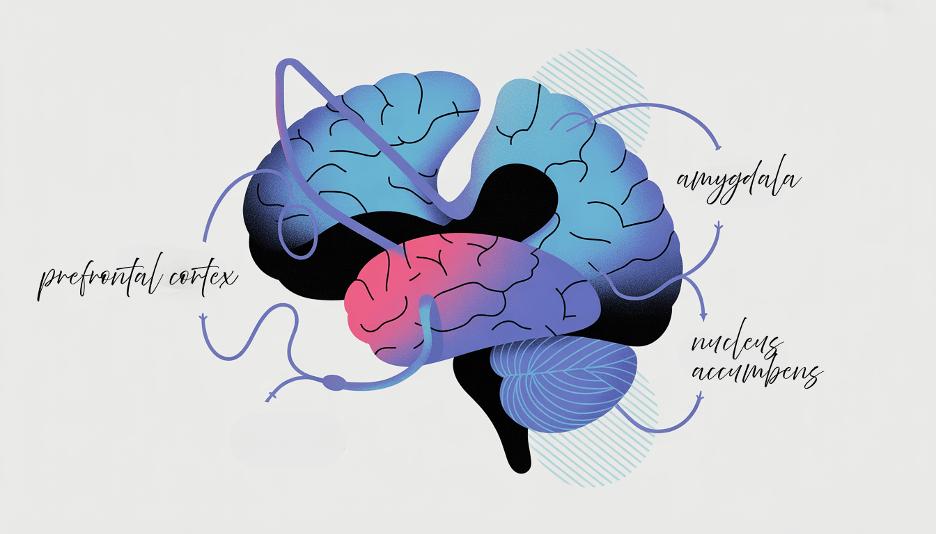
Why You Can't Feel Joy in Recovery: Anhedonia After Addiction

Struggling to feel joy in recovery? You're not alone. Anhedonia - the inability to feel pleasure - affects countless people in early sobriety, but understanding why it happens is the first step toward healing. Contact Wish Recovery today for personalized support that addresses every aspect of your recovery journey.

Your Guide to Top Detox and Rehab Centers in Connecticut

As you research a detox and rehab center Connecticut residents rely on, you need clear insights into detox procedures, inpatient care structures, therapy models, treatment timelines, and substance-specific protocols. In this guide, you’ll find an overview of medical detox, residential and partial hospitalization programs, evidence-based therapies, and specialized tracks for opioids, stimulants, and co-occurring disorders. Whether you’re exploring drug rehab in connecticut or seeking comprehensive dual diagnosis support, this resource will help you weigh your options and take the next steps toward lasting recovery.