











Wish Recovery’s Blog Category

Alternative Therapies

Discover Powerful Marijuana Treatment Programs in New Jersey

You need a focused, evidence-based marijuana treatment program new jersey residents trust to guide you from detox through long-term recovery. Whether you’re just beginning to recognize cannabis dependence or you’ve tried quitting on your own, New Jersey offers structured inpatient care, proven therapy methods, and co-occurring disorder support tailored to your needs.

Choose the Right Alcohol Rehab in New York for Success

You’ve taken an important step by researching alcohol rehab in New York to support your recovery journey. With hundreds of programs across the state—from medically supervised detox to long-term residential care—you have choices that can match your needs, budget and clinical requirements. New York accounts for more substance abuse treatment admissions than any other state, and with 648 rehab centers available, you can find services close to home or in quieter rural settings. Understanding the spectrum of options—medical detox, inpatient and outpatient care, dual diagnosis programs and substance-specific tracks—will help you select the right path toward lasting sobriety.

The Instagram Lie: Why “Good Vibes Only” Is Toxic for Recovery | Luxury Rehab in Los Angeles

Luxury drug and alcohol rehab in Los Angeles | Wish Recovery

Your recovery doesn't look like the highlight reel—and maybe that's not the problem.

If you've ever smiled through the gratitude posts while falling apart in private, this one's for you. In this video, we're talking about what "good vibes only" culture actually costs people in recovery, why toxic positivity is so hard to name when it's dressed up as wellness, and what healing honestly looks like when it isn't performing for an audience.

This isn't another inspirational pep talk. It's a real conversation about the pressure to stay "above water"—and what happens when you're not.

Confidential Care for Pro Athletes Facing Addiction | Wish Recovery

Behind every highlight reel, pro athletes carry pressure most fans never see. Watch to understand how that pressure turns into addiction—and how whole-person luxury care can protect a career, a reputation, and a life.

Every dunk, every hit, every save hides what happens after the cameras stop rolling. The same intensity that builds a career—physical pain, performance pressure, public scrutiny—can quietly become the path into substance use and co-occurring anxiety. This video looks at that reality across professional basketball, football, and hockey, and the kind of care built to actually address it.
 

Does Cigna Cover Rehab & Detox? Your 2026 Coverage Guide

It's late. You've got your insurance card in one hand and your phone in the other, and you're reading the fine print for the third time—not because you want to, but because you need to know if help is even possible before you let yourself hope. That question—will they say no?—sits right under everything else. We know that's where you are. And we want to give you a straight answer.

Cigna rehab coverage is real, and it covers more than most people expect—including drug rehab, inpatient and outpatient treatment, and care at facilities that require traveling away from home. This guide walks through exactly how Cigna health insurance covers addiction treatment, level by level, so you can stop guessing and start knowing.

Key takeaways

  • Cigna generally covers substance use treatment, from detox through outpatient, under federal parity law and the ACA.
  • Coverage and prior authorization work differently across detox, residential, PHP, IOP, and standard outpatient care.
  • PPO and OAP plans often include out-of-network benefits; HMO and EPO plans usually don't.
  • Out-of-network rehab isn't an automatic no—reimbursement depends on your specific plan's design.

Ready to find out what your Cigna plan covers?
Contact our admissions team for a free, confidential benefits check.


Executive Rehab and Privacy: The Questions You're Afraid to Ask Out Loud

If anyone found out, you'd lose everything you built. That thought loops quietly, relentlessly, whenever your mind won't settle down for the night.

Underneath the drinking or the pills sits something heavier: the fear of being seen, of one phone call undoing years of work. Here's what almost nobody tells you upfront: the law protects you more than you'd guess, and the right kind of executive rehab protects you even further.

This is what real confidentiality looks like when privacy gets engineered into treatment, not just promised on a website.


Key takeaways

  • Executive rehab pairs confidential, high-level clinical care with structure built for demanding careers.
  • Federal law protects treatment records more tightly than most people realize, even from employers.
  • Privacy is physical too: private suites and a small resident count limit who's ever around you.
  • Limited, clinically approved work access is possible once your care team confirms you're stable.


You don't have to have every question answered before you reach out.
Start a confidential conversation with our team today, on your terms, at your own pace.


Does UnitedHealthcare Cover Rehab and Detox? A 2026 Guide

You're holding the insurance card, running numbers before you've even said the word rehab out loud. That fear is real. It makes sense. So does the question underneath it: will United Healthcare actually pay for this? The short answer is yes. In most cases, drug and alcohol rehab and detox are covered under your health insurance plan. But how much your insurance coverage actually pays changes everything about your bill. So does your network and the conditions attached. This guide walks you through your United Healthcare coverage options, plainly, and what your plan may not cover.

Key takeaways

  • UnitedHealthcare covers medically necessary rehab and detox through Optum Behavioral Health, its behavioral health partner.
  • Coverage often stretches from detox through outpatient rehab, including PHP and IOP, once medical necessity is established.
  • With a PPO, out-of-network rehab centers are on the table, but reimbursement gets calculated differently than in-network care.
  • That's different from UnitedHealthcare's Medicare inpatient rehab benefit, which covers physical recovery, not addiction treatment.


You don't have to sort through plan language alone. Reach out to our team for a confidential conversation about what's possible for you.


Discover Reliable Marijuana Addiction Programs in North Carolina Today

When you’re ready to find a reliable marijuana addiction program north carolina, you need clear information on detox supervision, residential care structure, therapy modalities, recovery timelines, and co-occurring disorder resources. Whether you call it cannabis dependency, cannabis use disorder, or marijuana treatment, the right program can guide you from initial withdrawal through lasting sobriety.

Basic Details about NAD + Treatment in Addiction Recovery

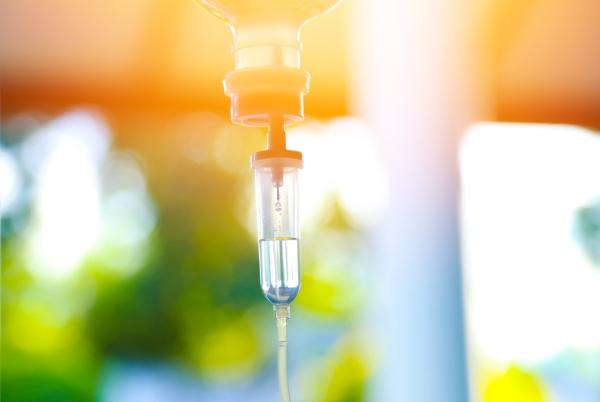
When a person has an addiction to drugs or alcohol, substances alter their brain functions. With continued substance use, one of the body’s most essential molecules gets depleted. The molecule is NAD+. Addiction recovery is not impossible but, it can be difficult. With the aid of NAD+ treatment, a relatively new holistic IV infusion that boosts natural amounts of NAD+, recovery is not only more of a possibility. It promises to make recovery more successful and sustainable.

Everything You Need to Know About the Holistic Approach to Addiction & Dual Diagnosis Treatment: The Definitive Guide

The issue of substance abuse affects people from all walks of life. However, a new approach to treatment has emerged that recognizes the various factors that contribute to addiction. This holistic approach understands that drug addiction is not simply a biological problem but a complex issue involving social, cultural, spiritual, and developmental aspects. It acknowledges that a one-size-fits-all solution may not be effective for everyone and instead focuses on integrating the mind, body, and spirit connections to promote healing. Successful treatment programs pave the way for a brighter future by addressing the individual’s needs comprehensively and holistically. Recovery is about overcoming addiction and rediscovering a sense of wholeness.

The Role of Acupuncture in Substance Use Disorder Treatment

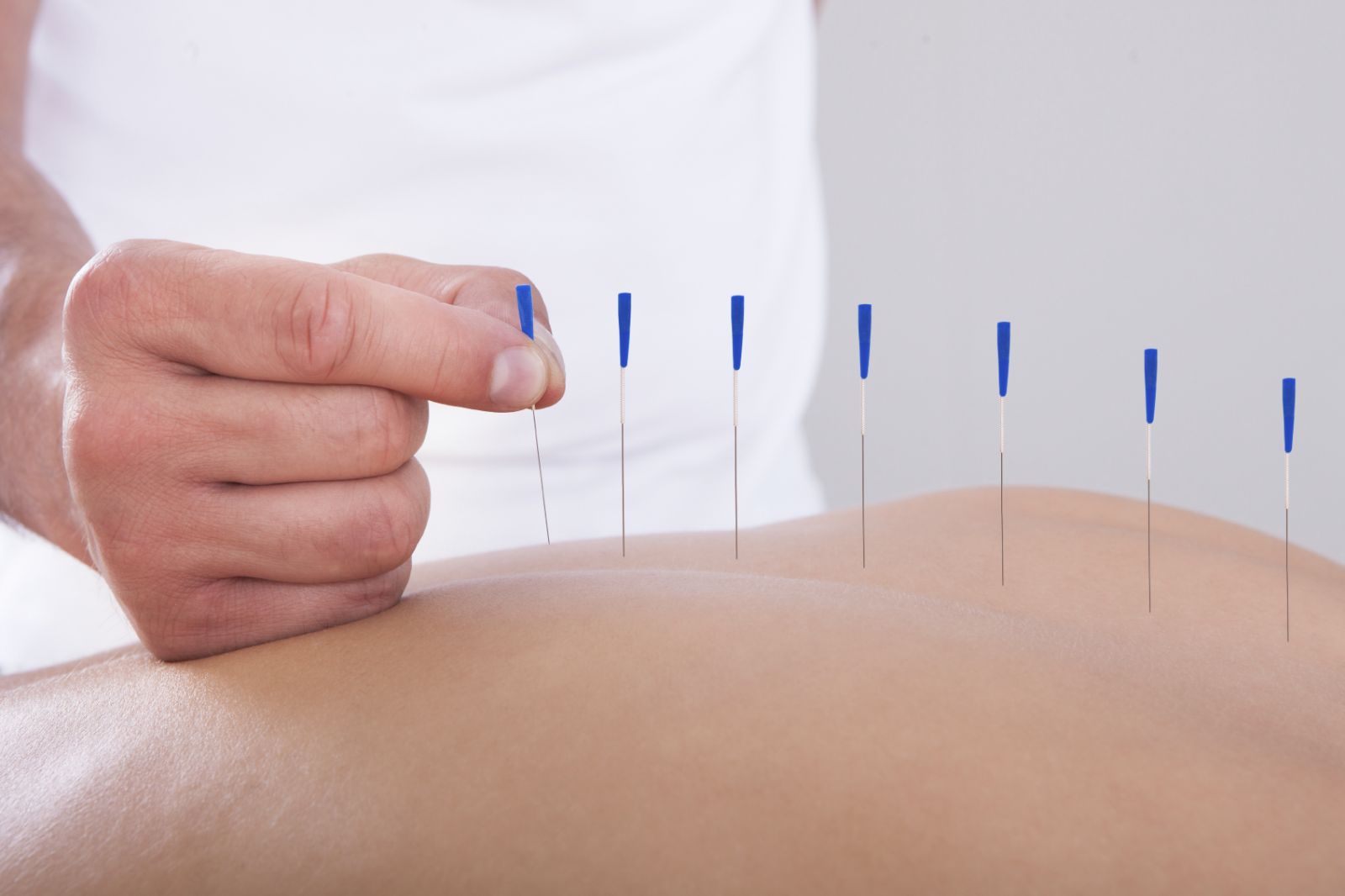
Acupuncture is one of the most popular alternative therapies for treating substance and alcohol use disorders. This ancient practice has been gaining popularity in the West in recent years. Acupuncture has many benefits, including reducing pain, improving sleep, boosting the immune system, and calming anxiety. 

Luxury rehab centers often use this therapy to help patients with withdrawal symptoms and cravings during detox and relaxation during rehabilitation. Despite its reputation as physical treatment, acupuncture can help heal on spiritual, psychological, and emotional levels.

Embrace a Growth Mindset for Transformative Recovery Experiences

What if the voice telling you “you'll never change” isn't actually yours—and you can finally turn the volume down?


That internal critic has been running the show for too long. It whispers that you're broken, that recovery is temporary, that real transformation happens to other people—not you. But here's what that voice doesn't want you to know: your brain is literally designed to rewire itself. The same neuroplasticity that created destructive patterns can create healing ones. You're not stuck with the mindset that got you here.

Your Guide to Trusted Medical Detox in Wisconsin

When you’re exploring medical detox in Wisconsin, you’re looking at a structured process that combines clinical oversight with evidence-based protocols to manage acute withdrawal safely. Engagement in a medically supervised detox program helps you minimize health risks, address co-occurring conditions, and prepare for ongoing addiction treatment. By choosing a trusted medical detox center, you set the stage for a smoother transition into residential or outpatient care and improve your chances of lasting recovery.

Your Path to Recovery with Meth Addiction Treatment in North Carolina

Before you begin treatment, it helps to understand how methamphetamine affects your brain and body. Methamphetamine is a potent stimulant that floods your central nervous system with dopamine, creating intense pleasure but also disrupting normal neurotransmitter balance. Over time your brain produces less natural dopamine, leading to chemical dependency and severe withdrawal when you stop using meth.

Marijuana Withdrawal Symptoms & Timeline: What to Expect in 2026 When You Quit

You quit a few days ago and now you can't sleep. Your patience is gone. Food either sounds terrible or like the only thing that matters. And somewhere under all of it sits a quiet, nagging question: is this real, or are you making it worse than it actually is?

It's real. Marijuana withdrawal symptoms show up on a predictable timeline, they're driven by biology, and they ease. This guide walks through what's happening, how long it tends to last, and where the line sits between hard-but-normal and time-to-talk-to-someone.


Key takeaways

  • Withdrawal symptoms usually start one to three days after your last use and peak between days two and six.
  • Most symptoms ease within one to two weeks, though sleep and mood can linger a little longer for some people.
  • These symptoms come from real, measurable shifts in brain chemistry, not weakness or imagination.
  • Severe withdrawal symptoms, deepening mood changes, or anything lasting past two weeks are worth a real conversation, not more searching.


If any of this sounds like more than you want to carry alone, we're here to talk it through, no pressure, no commitment. Reach out to our team whenever you're ready.


International Overdose Awareness Day 2026: What It Is and How to Help

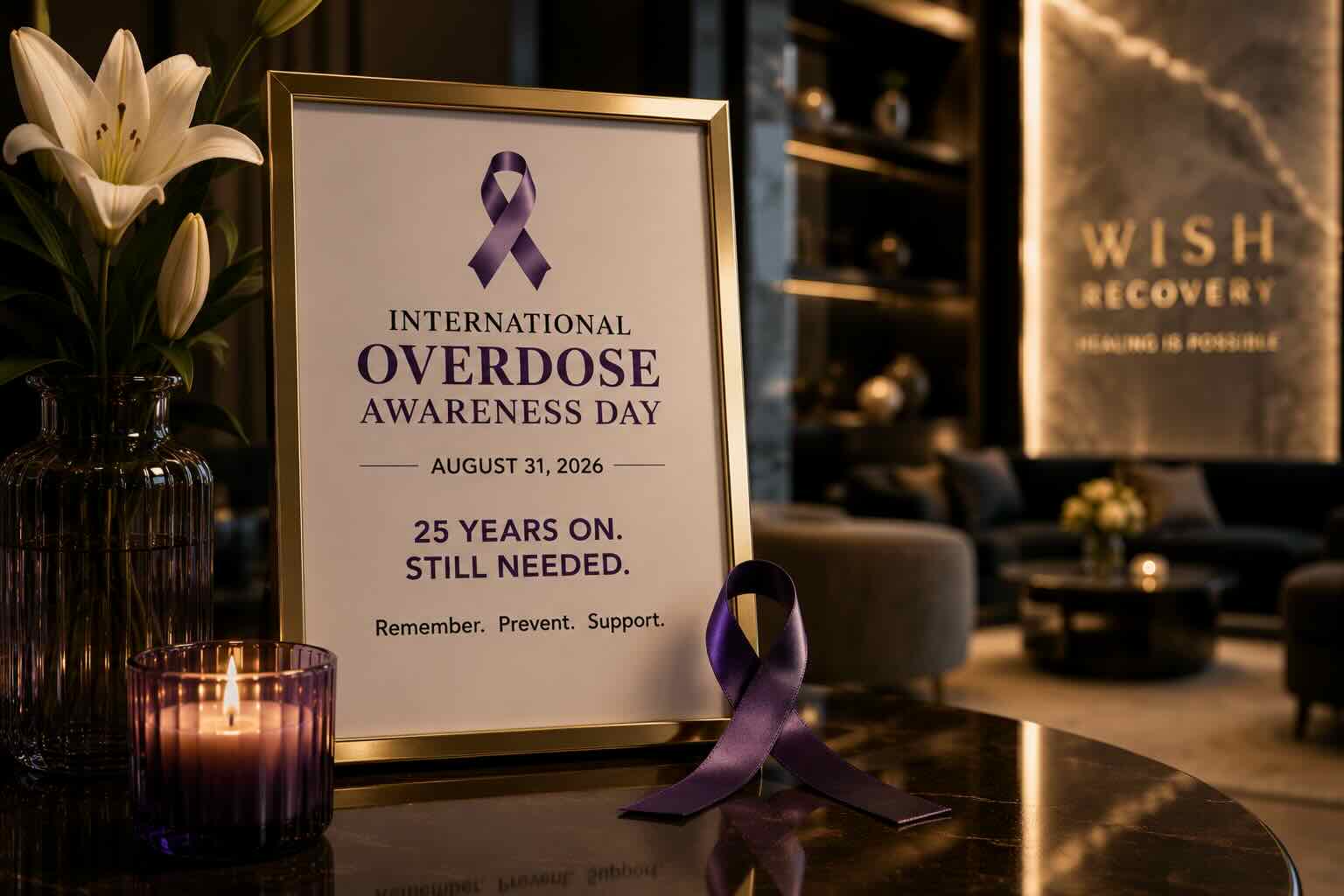
Every August 31st, a purple ribbon reappears. Pinned to a jacket, taped inside a car visor, printed on a porch flag. Most years you barely notice it.

This year, on the 25th International Overdose Awareness Day, often shortened to IOAD, it's worth a longer look. Twenty-five years is a long time to keep saying the same thing: overdose is preventable, and it's still happening in your neighborhood, your family, maybe your own house. This day exists to raise awareness and support overdose prevention, but it only works if the ribbon leads somewhere.

Key takeaways

  • International Overdose Awareness Day 2026 falls on August 31 and marks 25 years under the theme "25 Years On. Still Needed."
  • Recognizing an opioid overdose is a learnable skill, not an instinct, and most bystanders never get the chance to practice it.
  • Naloxone can reverse an opioid overdose in minutes, but it always pairs with calling 911, never replaces it.
  • California's Good Samaritan law protects people who call 911 in good faith during an overdose, even though many still fear arrest.


You don't need to wait for a crisis to learn what comes next. Start my conversation with Wish Recovery today, no pressure attached.