Marijuana withdrawal symptoms typically begin within one to three days of the last use. They peak around days two through six and mostly ease within one to two weeks, though sleep problems and irritability can linger longer for some people (Budney et al. 2003; Vorspan et al. 2010).
In general population studies, roughly one in eight to one in six frequent cannabis users experience clinically significant withdrawal. That share rises well above half in outpatient treatment settings (Bahji et al. 2020). The symptoms are real and biologically driven, not a sign of weakness. They usually ease with time and support, and when withdrawal is severe, an actual clinical conversation is worth more than guesswork.
Wait, is this really withdrawal, or am I imagining it because I quit weed?
Maybe it started with the third night in a row you couldn't fall asleep. Or the way you nearly snapped at your partner over something small. Or the appetite that swings from nothing to everything in the same afternoon. And underneath all of it sits a second worry, stacked on the first: maybe this isn't real withdrawal, maybe you're just being dramatic.
You're not. Doctors have a name for what you're going through: cannabis withdrawal syndrome. It's a well-documented cluster of feelings that tends to show up together once someone who's used marijuana regularly stops (Bahji et al. 2020).
In large studies of frequent marijuana users, close to half develop this kind of withdrawal when they quit. That share climbs even higher among people working through cannabis use disorder in outpatient treatment (Bahji et al. 2020).
If you're picturing a checklist, here's roughly what it includes: irritability that feels bigger than the moment deserves, anxiety or a flat, heavy mood, trouble sleeping, changes in appetite, restlessness, and physical symptoms like headaches or stomach upset. Among frequent users who develop withdrawal, anxiety and edginess tend to show up first and most often. Irritability, sleep trouble, and low mood usually follow close behind (Livne et al. 2019). If that list reads like your week, that's not a coincidence, and it's not you overreacting.
Some people call these common symptoms of cannabis withdrawal, others just call them symptoms of withdrawal or cannabis withdrawal symptoms, but it's the same experience by any name. People who use marijuana daily are the most likely to feel it this strongly.
This kind of dependence tends to build with chronic marijuana use and heavy marijuana use over time, which is exactly why quitting weed after years of regular use can hit differently than it did the first time you tried to stop. This is your body renegotiating a routine it built around regular use, not a verdict on your decision to quit.
Detection and withdrawal also run on two different clocks. If you've ever wondered how long weed actually stays in your system, that's a separate question worth understanding on its own terms.
How long does the marijuana withdrawal timeline actually last, day by day?
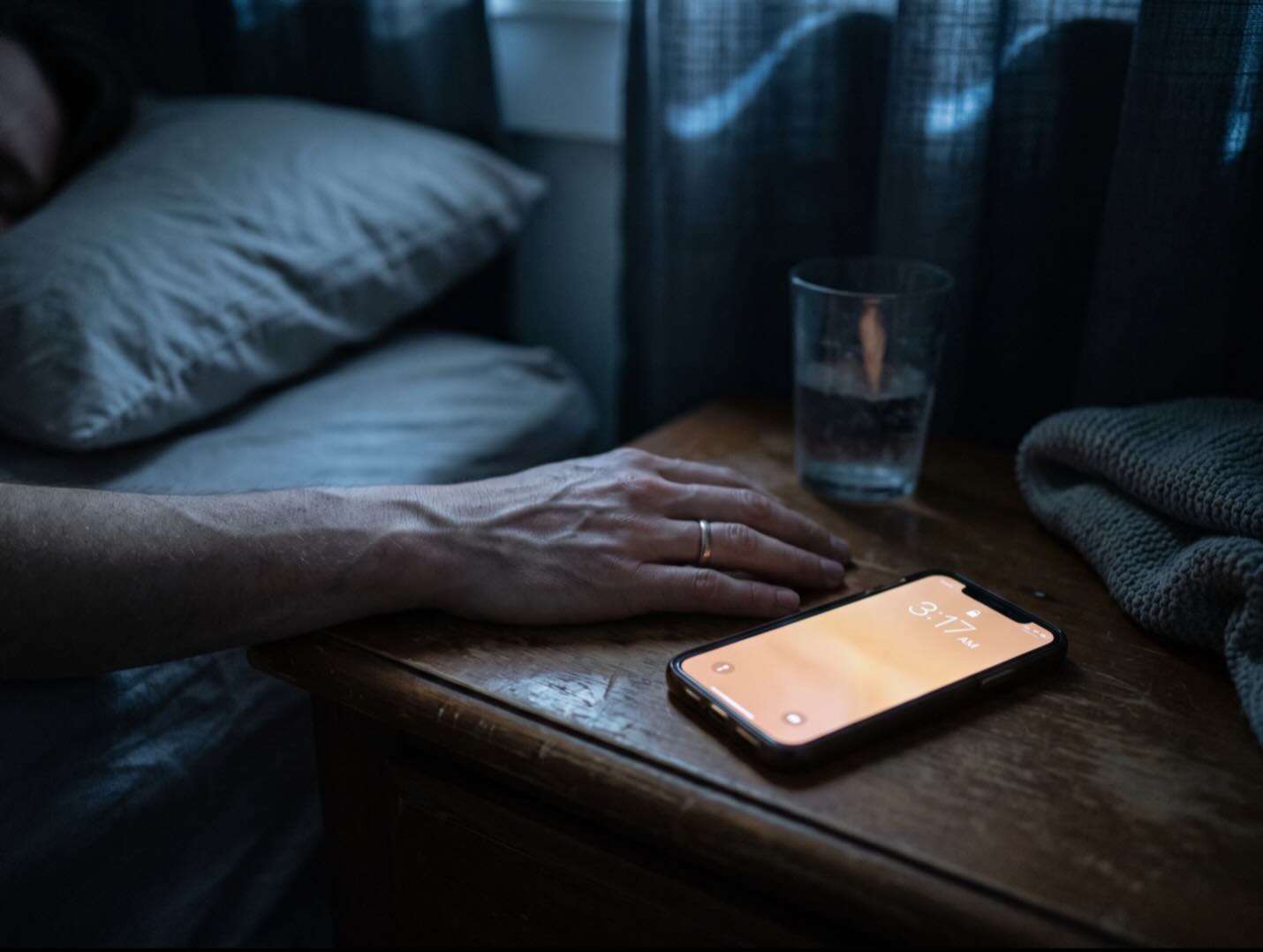
Once you know withdrawal is real, the next question is almost always practical: how many days are you actually looking at?
Here's the rough shape of it, based on outpatient research that tracked people through the process day by day (Budney et al. 2003):
|
When
|
What tends to happen
|
|
Days 1–3
|
Symptoms usually begin, often within 24 to 72 hours of the last use
|
|
Days 2–6
|
Symptoms typically peak; this is usually the hardest stretch
|
|
Days 4–14
|
Most symptoms noticeably ease
|
|
Beyond 2 weeks
|
Sleep and mood can linger a bit longer for some people
|
Sleep is the slow one. In one study of people withdrawing from cannabis, trouble sleeping and vivid, strange dreams stuck around for a median of about 19 days, longer than almost anything else on the list (Vorspan et al. 2010).
Not everyone who tries to stop using marijuana will experience withdrawal symptoms this way. Some people experience severe withdrawal, others notice only mild, easy-to-manage effects of marijuana leaving their system, and treatment options exist either way if quitting on your own keeps not working.
That gives you something to hold onto. If it's been more than two weeks and your sleep or mood still haven't budged, it's worth a real conversation with someone who can look at the fuller picture with you. Two weeks is roughly where most people start turning a corner.
Wondering what your coverage looks like before you make any decisions? Check your insurance benefits in a few minutes, no obligation attached.
Why does my brain feel like it's short-circuiting during cannabis withdrawal?
There's a specific kind of unsettling that comes from feeling like your own brain is working against you. Cravings show up uninvited, and focus scatters. Sleep won't come, and when it does, it's thin and strange. It can feel less like discomfort and more like something's actually wrong with your wiring.
Here's what's happening, in plain terms. THC works by fitting into receptors your brain already has, part of your own natural cannabinoid system, called CB1 receptors, like locks that were built into your brain long before you ever used cannabis. With regular, heavy use, your brain adapts to all that key-turning by quietly turning some of those locks down. Researchers call that downregulation, and it's really just your brain turning down its own volume because someone else has been holding the dial (Hirvonen et al. 2011).
When THC suddenly leaves the picture, those turned-down receptors run on your brain's own, much quieter natural signal for a while. That gap helps explain the cravings, irritability, and sleep trouble. It's a nervous system waiting to recalibrate after losing a signal it had adjusted around. The reassuring part is that it's measurable and reversible: receptor activity has been shown to return toward normal levels within roughly four weeks of not using, which lines up closely with how long the hardest part of withdrawal lasts (Bonnet & Preuss 2017).
This same kind of adaptation-and-reversal pattern shows up with other substances too, so your brain isn't uniquely broken here. It's just doing what brains do when something they'd adjusted to disappears. Understanding the mechanism makes the discomfort make sense. That alone tends to take some of the fear out of it.
Is this just marijuana withdrawal, or is my mood spiraling into something more?
There's a specific kind of fear that shows up when ordinary withdrawal starts to feel like something bigger. Mood swings harder than expected, thoughts race, or a heaviness doesn't lift the way you thought it would by now. Underneath the discomfort sits a harder question: is this just withdrawal, or is something else going on?
Ordinary cannabis withdrawal genuinely does bring low mood, anxiety, and irritability along with it. Among people who develop full withdrawal syndrome after frequent use, depressed mood shows up in a little over half. Anxiety or nervousness shows up in roughly three out of four (Livne et al. 2019).
Those numbers are real. If you recognize them in yourself right now, you're not imagining the intensity of it.
What withdrawal on its own does not reliably do is cause true mania, the kind involving days of racing thoughts, barely needing sleep, or feeling invincible. Where mania-like symptoms do show up around cannabis use, they more often point to a pre-existing mood condition being unmasked or complicated by heavy use. That distinction matters enough to say plainly, not hedge around it.
Mood and sleep symptoms can also take longer to fully settle than the rest of the withdrawal picture. In one monitored study following young people through three weeks of abstinence, subtle mood and sleep symptoms sometimes lingered past that window even as everything else improved (Sullivan et al. 2022). If your mood keeps deepening, or if you're having thoughts of harming yourself, that's a sign to talk with a real person, not to keep searching alone.
This is also exactly the kind of complexity a dual diagnosis program exists for: mood and substance use, understood and treated together, tend to move faster toward relief than either one addressed alone.
If mood symptoms feel bigger than withdrawal alone should explain, you don't have to sort that out by guessing. Talk to our clinical team about what you're noticing.
What actually helps weed withdrawal symptoms, and could white-knuckling it backfire?

Somewhere in the middle of all this, a practical question sits underneath everything else: should you push through withdrawal alone, or does getting support actually change the outcome?
The research leans toward an honest answer: how hard withdrawal hits you is connected to how likely you are to go back to using. Among people trying to quit cannabis, those whose withdrawal symptoms interfered most with daily life were more likely to be using again at the one-month mark (Allsop et al. 2012). In a separate survey of daily cannabis users attempting to quit, both the people who succeeded and the people who relapsed described withdrawal as a major factor. The intensity was comparable to what daily tobacco smokers report when they quit smoking (Budney et al. 2008).
None of that is meant to scare you. It's meant to explain why structured support exists: the window right after quitting is measurably harder to get through solo, and having someone in your corner during it changes the odds. Cognitive behavioral therapy, one of the approaches researchers and agencies like the National Institute on Drug Abuse point to for treating marijuana use disorder, shows up so often in treatment for exactly this reason.
A quick note on words, since you'll see several used almost interchangeably: marijuana addiction, cannabis use disorder, marijuana use disorder, and dependence all describe roughly the same pattern, regular use of marijuana that's become heavy enough, and hard enough to stop on your own, to need real support. Whether you call it drug abuse, an addictive pattern, or a substance use disorder, the professional help for marijuana addiction that actually works tends to look similar: sometimes a short medical detox to get through the physical symptoms safely, sometimes structured addiction treatment through a treatment program or a treatment center stay, and sometimes substance use treatment on an outpatient basis alongside your regular life. None of these labels matter as much as the outcome: coping with marijuana withdrawal without relapsing, and building real, long-term recovery from here.
At Wish Recovery, we build individualized treatment plans around this exact window. For some people that looks like outpatient-level support you can start while still holding down your job and your life. For others it means something more structured, if withdrawal and cravings keep pulling you back toward using.
We don't hand you a generic plan. We build around what's actually happening in your week.
One person who came to us during this exact stretch put it simply:
"From the moment I walked in, I felt welcomed, supported, and treated like a person — not just another client. The environment they create is one of safety, accountability, healing, and hope... Wish Recovery helped change my life and gave me a strong foundation for my future sobriety." — Samantha B., Google review
If you're reading this on behalf of someone you love, that same kind of care extends to you too. As one parent put it:
"Wish Recovery has been truly wonderful. I have never seen a place that gives so much love, care, and genuine support to its clients. The compassion they've shown my daughter means more than I can express... They create such a safe, caring, and supportive environment, and it really shows in the way they treat each individual." — Sharon B., Google review
If you're not ready for any of that yet, start smaller. Notice how you're sleeping and eating for the next three days. That's information you can use, whether you reach out to us or not.
Ready to talk about what treatment could actually look like for you? See if your insurance covers care with us, no pressure either way.
You're not broken for feeling this now that the weed is gone
You're not broken for feeling this now that the weed is gone. What you're carrying is real, it's temporary, and it eases faster with company than without it. If you're reading this for someone you love, you're allowed to ask for support too. We're here in Los Angeles whenever you're ready to talk.
Whenever that conversation feels right, not before, we're just a message away.
This article is intended for general informational and educational purposes only and is not a substitute for professional medical or mental health advice, diagnosis, or treatment. Always seek the guidance of a qualified healthcare provider with any questions you may have about a medical condition or substance use.
Frequently asked questions
What's the first sign that marijuana withdrawal is starting?
Usually it's irritability, trouble falling asleep, or a sudden dip in appetite, and these are some of the most common symptoms of marijuana withdrawal, often showing up within the first one to three days after your last use. For a lot of people, sleep is the very first thing to change, sometimes even before the mood shifts start (Budney et al. 2003), whether this is the first time you've tried to quit marijuana or you've stopped and started before.
Can marijuana withdrawal really cause mania or depression?
Withdrawal commonly brings low mood, anxiety, irritability, and other psychological symptoms, and that's well documented (Livne et al. 2019). True mania is different, and it isn't something ordinary withdrawal reliably causes on its own. When mania-like symptoms do appear, they usually point to something else, often a pre-existing, co-occurring mental health condition. That's worth a real conversation with a professional, not a guess you make alone.
How long do marijuana withdrawal symptoms typically last?
The severity of withdrawal symptoms varies from person to person, but most cases peak around days two through six and ease within one to two weeks (Budney et al. 2003). Sleep and mood can take a little longer for some people, sometimes lingering closer to three weeks before fully settling (Vorspan et al. 2010). If you're past that window and still struggling, it's worth a conversation.
Is marijuana withdrawal actually dangerous?
It's rarely medically dangerous the way withdrawal from alcohol, benzodiazepines, or other substance use disorders can be. That said, it's genuinely uncomfortable, with real physical symptoms, and harder withdrawal has been linked to a higher chance of relapse (Allsop et al. 2012), which is a real reason to take it seriously without needing to panic about your safety.
When should I reach out for professional help with withdrawal?
If symptoms are severe, your mood keeps getting heavier, or two full weeks have passed with little improvement, that's the moment to talk with an actual person. The same goes if you're struggling with addiction more broadly and need real help to manage withdrawal, whether that's a call to a treatment center or simply asking someone you trust for support. If you're having any thoughts of harming yourself, reach out immediately.
References
Bahji, A., Stephenson, C., Tyo, R., Hawken, E. R., & Seitz, D. P. (2020). Prevalence of cannabis withdrawal symptoms among people with regular or dependent use of cannabinoids: A systematic review and meta-analysis. JAMA Network Open, 3(4), e202370. https://doi.org/10.1001/jamanetworkopen.2020.2370
Livne, O., Shmulewitz, D., Lev-Ran, S., & Hasin, D. S. (2019). DSM-5 cannabis withdrawal syndrome: Demographic and clinical correlates in U.S. adults. Drug and Alcohol Dependence, 195, 170–177. https://doi.org/10.1016/j.drugalcdep.2018.09.005
Budney, A. J., Moore, B. A., Vandrey, R. G., & Hughes, J. R. (2003). The time course and significance of cannabis withdrawal. Journal of Abnormal Psychology, 112(3), 393–402. https://doi.org/10.1037/0021-843x.112.3.393
Vorspan, F., Guillem, E., Bloch, V., & Lépine, J.-P. (2010). Self-reported sleep disturbances during cannabis withdrawal in cannabis-dependent outpatients with and without opioid dependence. Sleep Medicine, 11(5), 499–500. https://doi.org/10.1016/j.sleep.2009.12.001
Hirvonen, J., Goodwin, R. S., Li, C.-T., Terry, G. E., Zoghbi, S. S., Morse, C., Pike, V. W., Volkow, N. D., Huestis, M. A., & Innis, R. B. (2011). Reversible and regionally selective downregulation of brain cannabinoid CB1 receptors in chronic daily cannabis smokers. Molecular Psychiatry, 17(6), 642–649. https://doi.org/10.1038/mp.2011.82
Bonnet, U., & Preuss, U. W. (2017). The cannabis withdrawal syndrome: Current insights. Substance Abuse and Rehabilitation, 8, 9–37. https://doi.org/10.2147/sar.s109576
Sullivan, R. M., Wallace, A. L., Stinson, E., Meredith, L. R., Blest-Hopley, G., & Squeglia, L. M. (2022). Assessment of withdrawal, mood, and sleep inventories after monitored 3-week abstinence in cannabis-using adolescents and young adults. Cannabis and Cannabinoid Research, 7(5), 690–699. https://doi.org/10.1089/can.2021.0074
Allsop, D. J., Copeland, J., Norberg, M. M., Fu, S., Molnar, A., Lewis, J., & Budney, A. J. (2012). Quantifying the clinical significance of cannabis withdrawal. PLOS ONE, 7(9), e44864. https://doi.org/10.1371/journal.pone.0044864
Budney, A. J., Vandrey, R. G., & Hughes, J. R. (2008). Comparison of cannabis and tobacco withdrawal: Severity and contribution to relapse. Journal of Substance Abuse Treatment, 35(4), 362–368. https://doi.org/10.1016/j.jsat.2008.01.002



 September 04, 2026

