International Overdose Awareness Day falls every August 31, and 2026 marks its 25th year under the theme "25 Years On. Still Needed." It exists to remember people lost to overdose and turn grief into action: recognizing the signs of an opioid overdose, carrying naloxone, and knowing that Good Samaritan laws, including California's, protect anyone who calls 911 for help (Jakubowski et al. 2018). Drug overdose deaths in the U.S. have declined for two consecutive years, but tens of thousands of people still die annually (Tanz et al. 2024). One ribbon, one phone call, or one honest conversation can still change what happens next.
Does a day like this actually matter, or is it just a ribbon?
Another awareness day. Another purple ribbon pinned to someone's jacket. It's fair to wonder if that changes anything for the people you love.
International Overdose Awareness Day started in 2001, founded by Australia's Penington Institute as a single local event and grown, over 25 years of global observance, into the world's largest campaign addressing overdose. It's held on August 31st every year, a chance to come together to remember the people we've lost and a way for families and communities to grieve together instead of alone.
This year's IOAD theme, "25 Years On. Still Needed," says plainly that overdose continues to affect every community, and that the day exists for a specific, unglamorous reason: to say overdose deaths are preventable, and that stigma keeps people from getting help before it's too late (Centers for Disease Control and Prevention 2017). National groups like the CDC and SAMHSA, the Substance Abuse and Mental Health Services Administration, treat this as more than a memorial gesture; it's part of an active public health strategy. Stigma, in practice, just means the shame that keeps someone hiding a relapse instead of asking for help.
A ribbon alone doesn't save anyone. Research reviewing more than 160 opioid-related public health campaigns found that raising awareness only moves the needle when it's paired with less shame and better access to real treatment and recovery (Frkovich et al. 2022). This day exists to reduce stigma and prevent overdose in the same breath, which is what overdose awareness day 2026 is actually trying to do in its 25th year: turn a symbol into something people can use, one honest statistic and one remembered name at a time. Every statistic is a person, which is the whole reason this day asks you to slow down instead of scroll past.
It's the same instinct behind the recovery stories people tell about what actually helped them get sober. Awareness opens a door. Someone still has to walk through it, together with the individuals and communities who remember people who have died and keep working, however slowly, to end overdose rather than let loss be the whole story.
Would I actually know what an overdose looks like if I saw one?
Maybe you've pictured it: someone collapsed, dramatic, unmistakable. Real opioid overdose symptoms, whether the cause is heroin, prescription opioids, or fentanyl, rarely look like that.
Recognizing an opioid overdose is a skill, not an instinct, and it can be taught. A six-site U.S. study found people trained to recognize the signs of overdose spotted them almost as accurately as healthcare professionals, while untrained bystanders missed far more (Green et al. 2008). Slowed or stopped breathing, what doctors call respiratory depression, blue-gray lips or fingertips, a limp, unresponsive body that won't answer to your voice or a knuckle rubbed hard against the breastbone, choking or gurgling sounds, and pinpoint pupils. That's the pattern worth memorizing if you want to recognize an overdose before it's too late.
CDC surveillance data across eleven states found bystanders and community members were present for roughly four in ten opioid overdose deaths, yet naloxone was rarely used by the person standing right there (Mattson et al. 2018). Presence was never the problem. Knowing what to do next is, and knowing it can make an opioid overdose reversal possible in the minutes that matter most.
If opioid use is already part of your family's story, understanding what treatment for opioid addiction actually involves can make all of this feel less abstract, and less frightening.
You don't have to carry that alone once you know it's there. Check my insurance coverage before a crisis forces the question.
What if I don't know how to use naloxone, or I'm too scared to try?
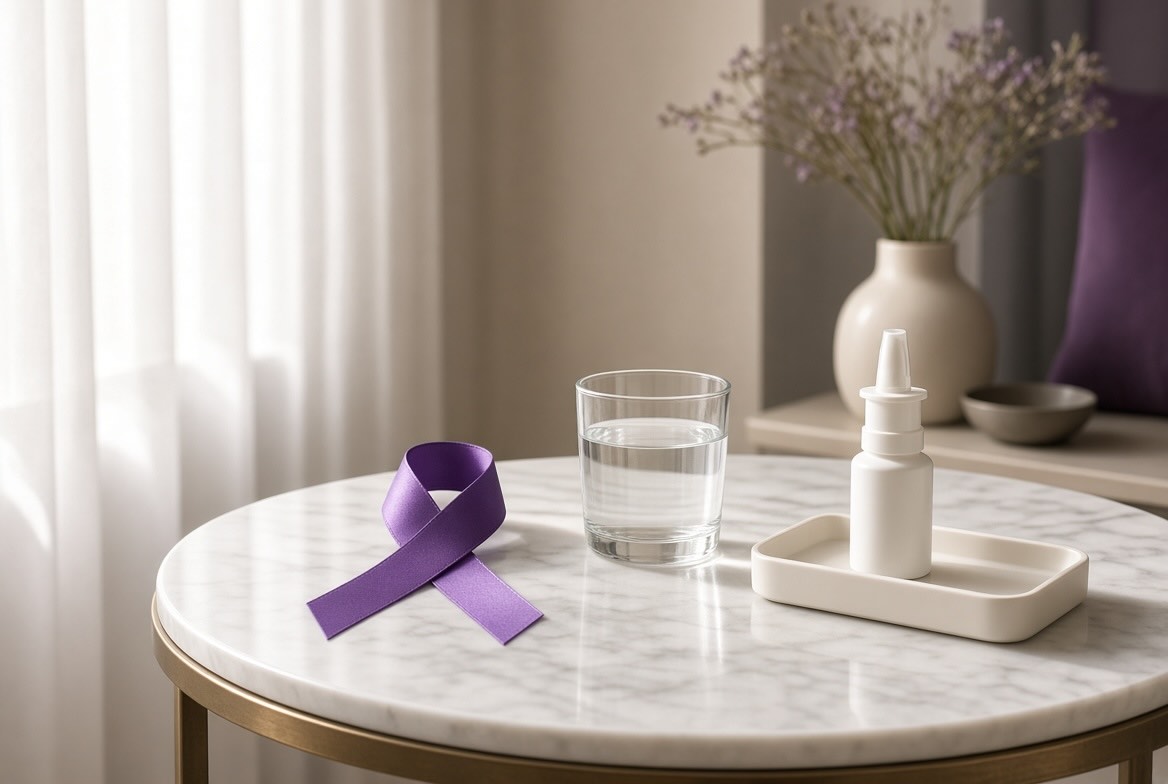
Naloxone sounds simple until someone experiencing an overdose is right in front of you and isn't breathing right. Then every instruction you half-remember disappears.
Take-home naloxone works because it buys minutes that emergency services alone can't. A Miami-Dade County study found people who kept naloxone on hand reversed overdoses faster than those waiting on paramedics to arrive (Bornstein et al. 2020).
It's not a replacement for 911. It's what happens while you're also calling 911, and evidence-based prevention looks exactly like this: unglamorous, practical, and available to anyone willing to learn it. Naloxone is what's clinically called an opioid antagonist, a medication that temporarily blocks an opioid's effect on the brain and body, which is exactly why it can reverse an overdose in minutes.
Most of the fear people carry about learning to use naloxone isn't really about the drug itself. A national study found people trust the idea that trained bystanders can reverse an opioid overdose more than almost any other belief tested about addiction, even while some of those same people worried, incorrectly, about legal risk (Agley et al. 2022). You already believe the part that matters. It's the getting-it part that feels hard, and closing that gap is how a community works to prevent overdose before it becomes a funeral.
In California, most pharmacies carry naloxone over the counter under a standing order, no individual prescription required, and community health centers and harm reduction services often hand out take-home naloxone kits free as part of ongoing overdose prevention work. The steps once you have it: recognize the signs, administer naloxone through the nasal spray, call 911 immediately, and stay until help arrives. Narcan is a brand name for naloxone, not a different drug, and either one works the same way to help save lives in an emergency.
Carrying it doesn't mean you expect the worst. It means you're prepared to save a life, including possibly your own, if overdose risk ever becomes real in front of you. None of this requires a diagnosis of opioid use disorder to matter to you; anyone can carry naloxone.
What happens to us if I call 911?
If part of you is doing the math on what happens next, to you or to them, that math is exactly what this law was written to change.
People who know about the 911 Good Samaritan Law are significantly more likely to actually call for help when they witness an overdose (Jakubowski et al. 2018). Knowledge changes behavior. That's the entire reason this section exists, and it's a big part of why drug-related deaths keep costing more lives than the actual danger requires.
California Health and Safety Code section 11376.5 protects a person who, in good faith, seeks medical help for someone experiencing an accidental overdose from arrest or prosecution for simple drug possession, as long as they stay and cooperate with responders. It doesn't erase every risk in every circumstance, and it isn't blanket immunity for everything, only specific protection for calling for help, but it exists specifically so fear doesn't cost someone a life. Whether someone is living with a diagnosed substance use disorder or used something once at the wrong time, the law reads the same way: access to care shouldn't depend on the fear of being punished for asking.
That fear is common, not naive. A Baltimore study found fewer than one in five people who inject drugs correctly understood their state's Good Samaritan protections, and roughly one in six still believed, incorrectly, that they could be arrested for calling 911 even where the law protected them (Schneider et al. 2020). If you didn't know this law existed until just now, you're the rule, not the exception.
If reading this brought up more than legal questions, that's worth talking through too. Start my conversation with Wish Recovery whenever you're ready.
How do I bring this up with someone I love without starting a fight?
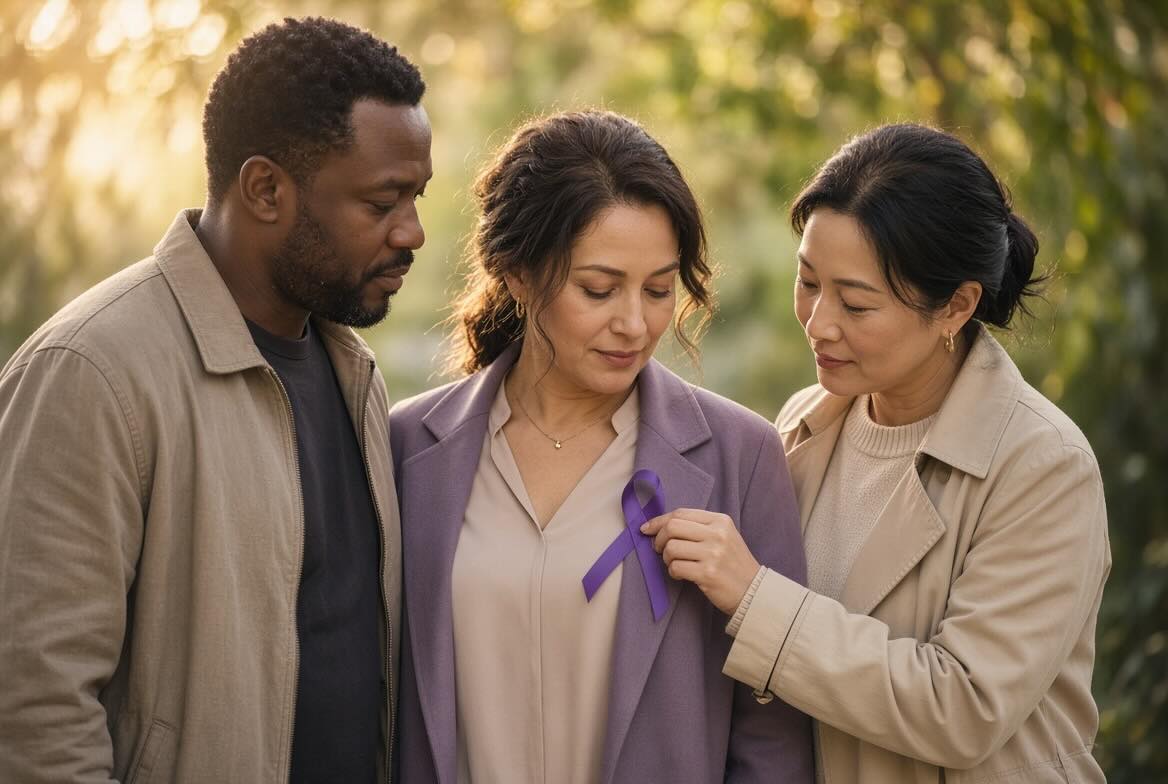
You've probably rehearsed this conversation in the shower, in the car, staring at the ceiling at 2 a.m. And you still haven't said it out loud.
Start smaller than you think you need to. A clinical framework for harm reduction conversations recommends open conversations built on open-ended questions and reflective listening, letting the other person set the pace instead of leading with an ultimatum (Hawk et al. 2025).
"I've been worried about you" opens a door. "You need to stop" closes one. Families and friends who lead with curiosity instead of correction tend to keep that door open longer.
Something else is true too. Drug overdose deaths tied to illegally manufactured fentanyl have been declining since late 2023, even though fentanyl still shows up in roughly seven of every ten U.S. overdose deaths (Tanz et al. 2024). Things are measurably better than they were. The risk is still real enough that this conversation, and the substance use and recovery journey it might start, is worth having this week.
Three things you can actually do this week: carry or locate naloxone, have one honest and low-pressure conversation instead of an ultimatum, and know where to turn if that conversation reveals someone needs more support than a conversation alone can give. Reduce the stigma surrounding addiction by starting in exactly these small, unremarkable moments, not in a headline. Sometimes the most honest thing you can offer is recovery support without an agenda, checking in, not checking up, and if the conversation goes further, it helps to know the range of treatment options that exist, from one honest talk to medical detox to something like an evening program.
That's where a program like ours fits, not as the whole answer, but as one way to show your support among several. Wish Recovery runs an evening intensive outpatient program built around work and family schedules, so getting support doesn't mean putting a job or a household on hold, and our dual diagnosis IOP holds mental health and substance use together instead of treating them as two separate problems. Community support, the kind that helps families keep showing up for each other, tends to matter as much as any single treatment plan.
One client, Michael S., put it simply in a verified Google review: "This place was amazing it helped me get off of fentanyl and prepared me for the next step, the staff was amazing." That's not a promise we're making to you. It's one person's actual experience, and proof that overdose affects real people who go on to build real lives afterward.
If cost is the thing holding you back from calling, that's worth ruling out before it stops you. Check my insurance coverage in a few minutes, no obligation.
Honoring and supporting continues after August 31
Twenty-five years since the first ribbon, and the point was never the ribbon. It's everyone still here to tell the truth about it, every August 31st, together.
This day exists to support families and honor the lives lost, and you can continue to grieve someone you loved and still be the reason someone else makes it through this year. A charged phone, a saved number, naloxone in the hallway closet, ordinary things, ready. Whatever you do next, even one small thing, counts.
If today stirred something loose, that's worth following. Start my conversation with Wish Recoverywhenever you're ready to talk it through.
This article is intended for informational purposes only and doesn't replace medical advice, emergency care, or a personalized clinical assessment. If someone is experiencing an overdose right now, call 911 immediately. If you or someone you love is struggling with substance use or thoughts of self-harm, call or text 988 (the Suicide & Crisis Lifeline). Our team can help you understand your options, but only a licensed clinician can confirm what level of care is right for you.
Frequently asked questions
When is International Overdose Awareness Day 2026?
International Overdose Awareness Day 2026, also written online as IOAD 2026, is observed on August 31st, the 25th year of the observance, held every year on 31 August without exception. You may also see it searched as "overdose awareness month," but the real observance is a single day, not a month-long campaign, and that mix-up is common enough to be worth clearing up here. This year's theme, "25 Years On. Still Needed," points to something simple: overdose is still preventable, and this day still matters.
What does the purple ribbon mean?
The purple ribbon is a symbol of remembrance for people who died from overdose and solidarity with everyone affected by overdose today. It's worn quietly, at work, in cars, on porches, one of the simplest messages about overdose a person can send without saying a word.
How do I get naloxone in California?
Most California pharmacies dispense naloxone over the counter under a standing order, so an individual prescription usually isn't required. Community health centers and harm reduction programs often provide it free, part of a broader push to promote overdose prevention across the state. Cost and availability can vary by pharmacy, so it's worth calling ahead if you want it today.
Can I be arrested for calling 911 during an overdose?
California's Good Samaritan law, Health and Safety Code section 11376.5, protects someone who calls 911 in good faith for an overdose from arrest or prosecution for simple drug possession. Protections aren't unlimited in every circumstance, but this law exists specifically so fear doesn't stop someone from calling, and overdose prevention remains the whole point of it.
Is September Recovery Month too?
Yes. National Recovery Month follows every September, right after an international overdose awareness day event in August, and both point toward the same idea: prevention and treatment and recovery are connected, not separate conversations. Overdose trends can shift year to year, but the work of showing up for people affected by substance use doesn't.
References
Jakubowski, A., Kunins, H. V., Huxley-Reicher, Z., et al. (2018). Knowledge of the 911 Good Samaritan Law and 911-calling behavior of overdose witnesses. Substance Abuse, 39(2), 233–238. https://doi.org/10.1080/08897077.2017.1387213
Tanz, L. J., Stewart, A., Gladden, R. M., et al. (2024). Detection of illegally manufactured fentanyls and carfentanil in drug overdose deaths — United States, 2021–2024. MMWR Morbidity and Mortality Weekly Report, 73(48), 1099–1105. https://doi.org/10.15585/mmwr.mm7348a2
Centers for Disease Control and Prevention. (2017). International Overdose Awareness Day — August 31, 2017. MMWR Morbidity and Mortality Weekly Report, 66(34), 897. https://doi.org/10.15585/mmwr.mm6634a1
Frkovich, J., Hedrick, H., & Anakaraonye, A. R. (2022). Opioid-related public health communication campaigns: An environmental scan. American Journal of Health Promotion, 36(6), 913–919. https://doi.org/10.1177/08901171221082471
Green, T. C., Heimer, R., & Grau, L. E. (2008). Distinguishing signs of opioid overdose and indication for naloxone: An evaluation of six overdose training and naloxone distribution programs in the United States. Addiction, 103(6), 979–989. https://doi.org/10.1111/j.1360-0443.2008.02182.x
Mattson, C. L., O'Donnell, J., Kariisa, M., Seth, P., Scholl, L., & Gladden, R. M. (2018). Opportunities to prevent overdose deaths involving prescription and illicit opioids, 11 states, July 2016–June 2017. MMWR Morbidity and Mortality Weekly Report, 67(34), 945–951. https://doi.org/10.15585/mmwr.mm6734a2
Bornstein, K., Coye, A., & St. Onge, J. E. (2020). Hospital admissions among people who inject opioids following syringe services program implementation. Harm Reduction Journal, 17(1). https://doi.org/10.1186/s12954-020-00376-1
Agley, J., Xiao, Y., Eldridge, L. A., et al. (2022). Beliefs and misperceptions about naloxone and overdose among U.S. laypersons: A cross-sectional study. BMC Public Health, 22(1). https://doi.org/10.1186/s12889-022-13298-3
Schneider, K. E., Park, J. N., Allen, S. T., et al. (2020). Knowledge of Good Samaritan laws and beliefs about arrests among persons who inject drugs a year after policy change in Baltimore, Maryland. Public Health Reports, 135(3), 393–400. https://doi.org/10.1177/0033354920915439
Hawk, M., Jawa, R., & Kay, E. S. (2025). Communication about harm reduction with patients who have opioid use disorder. JAMA, 333(2), 163. https://doi.org/10.1001/jama.2024.21307

 August 28, 2026

