













Wish Recovery’s Blog Category

Drug & Alcohol Detox

Reliable Benzo Detox Services in Nebraska for Your Safety

You’re taking the first step toward safer benzodiazepine withdrawal when you explore benzo detox Nebraska programs. Benzodiazepine addiction can develop in as little as four weeks of use for anxiety, insomnia, or seizure disorders, and quitting on your own can trigger severe symptoms. With medically supervised detox, you get 24/7 monitoring, tapering protocols, and medication-assisted support to reduce risk and discomfort.

Why a 30-Day Rehab Program in Nebraska Might Be Your Best Choice

If you’re exploring addiction treatment options in Nebraska, a 30 day rehab program nebraska may be the ideal balance of structure, care, and affordability. During this month-long residential program, you’ll receive 24/7 medical supervision, evidence-based therapies, and relapse prevention planning in a distraction-free environment. By completing a 30 day rehab program, you can address acute withdrawal symptoms, stabilize your mental and physical health, and build a foundation for sustained recovery.

Find Compassionate Detox and Rehab Centers in Massachusetts

When you search for a detox and rehab center Massachusetts offers, you need compassionate, medically supervised care that guides you through every step of recovery. Whether you’re considering inpatient rehab, dual diagnosis stabilization, or specialized treatments for opioids and other substances, understanding your options will help you find the right fit. In 2023, over 95% of people in the United States who needed drug rehab did not receive any treatment. With relapse rates between 40–60%—comparable to chronic illnesses like diabetes—ongoing support and evidence-based therapies are essential to long-term success.

What's Whole Person Holistic Addiction Treatment in Los Angeles?

You're looking at your tenth holistic rehab website this week—they all promise mind-body-spirit healing, whole-person care, integrated treatment. But here's what no one's explaining: what does "holistic" actually do in addiction treatment that traditional approaches don't?

In LA, "holistic" has become marketing. Authentic holistic addiction treatment in Los Angeles addresses addiction as a complex neurobiological, psychological, and social crisis requiring comprehensive solutions. This article examines how holistic addiction treatment in Los Angeles actually works when done right, what the research shows about whole-person approaches, and how to distinguish authentic integration from expensive marketing.

Find the Best Drug Detox in Kentucky for Lasting Recovery

When you’re ready to overcome substance use, finding the right drug detox in Kentucky is the first step in your recovery journey. Medically supervised detox helps you manage withdrawal symptoms safely while stabilizing your physical and mental health. During detox, you’ll work with trained medical staff who monitor your vital signs, administer medications to ease cravings and discomfort, and support you through challenging moments. This initial phase lays the foundation for effective, long-term rehabilitation.

What's Whole Person Holistic Addiction Treatment in Los Angeles?

You're looking at your tenth holistic rehab website this week—they all promise mind-body-spirit healing, whole-person care, integrated treatment. But here's what no one's explaining: what does "holistic" actually do in addiction treatment that traditional approaches don't?


In LA, "holistic" has become marketing. Authentic holistic addiction treatment in Los Angeles addresses addiction as a complex neurobiological, psychological, and social crisis requiring comprehensive solutions. This article examines how holistic addiction treatment in Los Angeles actually works when done right, what the research shows about whole-person approaches, and how to distinguish authentic integration from expensive marketing.

What's the Truth That Will Actually Help in Your First 72 Hours Sober?

You've made the decision. Tomorrow you stop. And nobody's answering the one question that's keeping you frozen: what actually happens to your body?

It's the gap between every detox timeline you've read online and what your body will actually do when you ask it to remember how to work without help.

The internet gives you symptom lists. Clinical charts. Generic timelines that somehow apply to everyone and no one at the same time.

Begin Your Recovery with Residential Addiction Treatment in Kentucky

If you’re seeking residential addiction treatment in Kentucky, you’re taking a crucial step toward lasting recovery. Residential care provides 24-hour supervision, structured routines, and a safe environment where you can focus entirely on healing. In Kentucky, residential programs integrate medically supervised detox, stabilization, evidence-based therapies, and individualized care plans designed to meet your unique needs.

Find the Best Detox and Rehab Center in Kentucky Today

Finding the right detox and rehab center Kentucky offers can feel overwhelming. You want a facility that combines medically supervised detox, residential stabilization, and evidence based therapies tailored to your needs. Luckily, Kentucky leads the nation in access to substance use disorder treatment, with a residential designated bed rate of 70.34 beds per 100,000 population in 2022, more than double that of neighboring states like Ohio and Tennessee. That level of access means you have a wealth of options when you search for “detox and rehab center kentucky.”

Medical Detox in Kentucky: What You Need to Know for Safe Treatment

When you search for medical detox kentucky, you’re looking for a safe, medically supervised program that helps you manage withdrawal symptoms and lays the groundwork for lasting recovery. Medical detox provides 24/7 clinical care, evidence-based therapies, and residential stabilization to guide you through the most acute phase of withdrawal. Whether you’re dealing with alcohol, opioids, benzodiazepines or stimulants, you need a structured setting where licensed clinicians monitor your vital signs, adjust medications and support your physical comfort.


Exploring Emotional Responses without Saying “Yes, but”

In the last post in this series, we spoke about two types of emotions: primary and secondary. As we discussed, secondary emotions are easier to regulate or alter if required. An alternative response might be to be reluctant and agree in some aspects, "yes," then invalidate and defend with "but."

Releasing the First in a New Series Exploring "Substance Use as an Emotional Response"

The spooks, ghosts, and goblins of Halloween are gone. As the collected assortment of candies starts to dwindle, the air of the season shifts to cooler, longer nights, and the turkey and tinsel of the holidays begin to appear everywhere. This can bring about stress and mental health conditions like seasonal affective disorder. Many people respond to emotional distress in many ways, from food to sex to drugs or alcohol. 

When someone has experienced trauma or is in a negative situation, how they react to this will be different for everyone. Some people respond in ways that make matters worse for themselves and the parties involved, and some respond unhealthily, like drinking or misusing drugs.

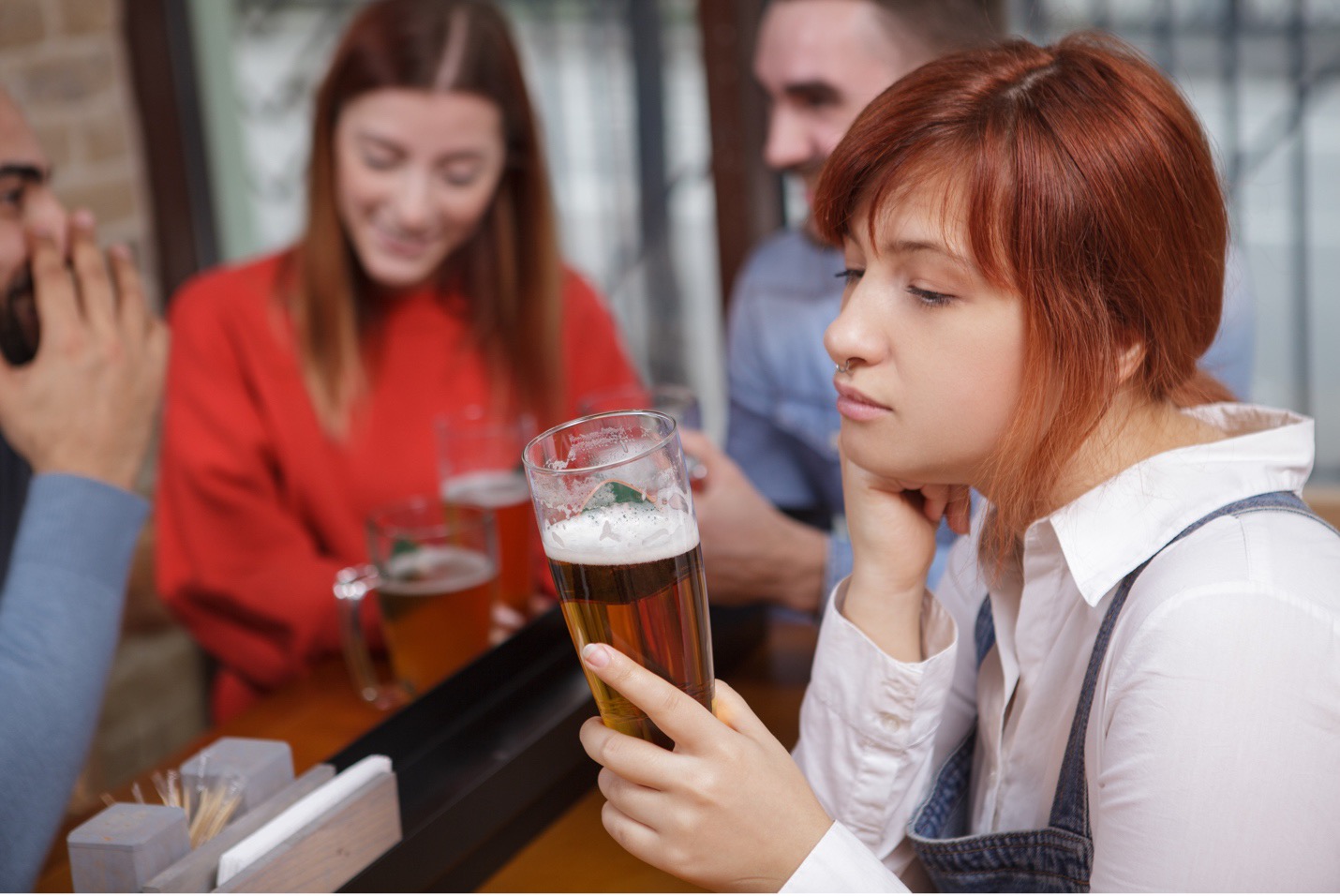
Liquid Courage or Liquid Fear: Revealing the True Relationship Between Alcohol and Anxiety

Anxiety is one of the most prevalent mental health disorders today, affecting millions of people of all ages and backgrounds. It is a condition that can be both debilitating and isolating, with many individuals turning to alcohol to help alleviate their anxiety symptoms. However, while alcohol may temporarily relieve anxiety, it can also be a double-edged sword, exacerbating the condition in the long run.


This blog post will explore the precarious relationship between alcohol and anxiety. We will examine how alcohol affects the brain and how this can impact anxiety levels. We will also discuss how alcohol affects the development of anxiety disorders, such as genetics, self-medication, and other factors. Furthermore, we will provide evidence-based information on coping without resorting to drinking to ease anxiety.

4 Ways a Residential Rehab Can Help You Cope with Relapse

Because of the varying degrees of substance use disorders (SUDs), many individuals suffer from addiction and alcoholism, which are the most severe manifestations of SUDs. Even after treatment, ONLY 40 to 60% of people who try to stop drinking or using drugs succeed. For many people, it is practically inevitable. This reality can discourage some, but relapse prevention like what you'll receive at residential rehab can help you develop coping skills to avoid or deal with triggers to use more flexibly and productively. This adaptability makes the chances of preventing a relapse more significant, and you'll be less likely to return to previous behaviors and substance use once you leave inpatient treatment.

Here are four ways your stay at a residential rehab can help you cope with or avoid relapse along your recovery journey:

Better Chances of No More AUD Symptoms After Treatment in Alcohol Rehab

It may be challenging to identify when drinking has gotten out of control, despite how obvious it is when it affects the most important aspects of life—relationships, money, mental stability, health and happiness. When is it appropriate to look for help? For rehabilitation that's even imaginable, you must first identify your problem. Friends, coworkers, or family members may bring up your issues, but only you can assess yourself.

Start Prioritizing Self-Care for Tremendous Success and Sustainability at any Stage of Your Addiction Recovery

Let’s face it: as human beings with feelings and vulnerabilities, none of us is impervious to pain and suffering. Research shows that people who have experienced traumatic events are more prone to addiction. However, what makes the difference between those who give up and those who continue fighting in their recovery is self-care. Let’s look at why self-care is critical to staying sober and being one step ahead of a possible relapse.

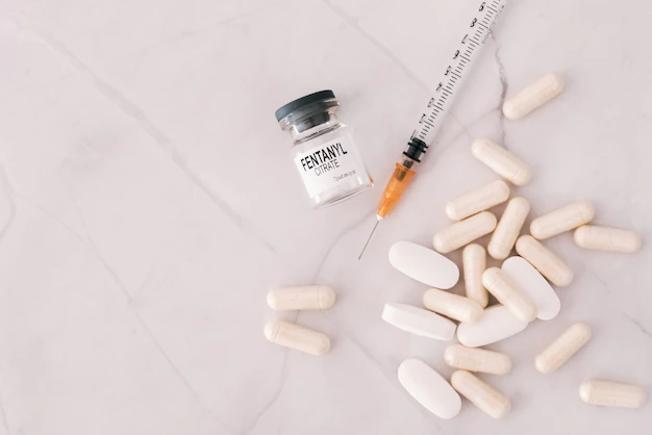
A 9/11 Massacre Every Other Week: The Dangers of Fentanyl and What You Should Know

About two-thirds of the over 108,000 drug overdose fatalities in 2021 featured fentanyl or another synthetic opioid. In 2020, almost 43,000 overdose deaths were from fentanyl. This synthetic opioid is commonly used for managing pain in cancer patients and those who have undergone surgery or cannot tolerate other types of pain medication. Unfortunately, the dangers of fentanyl are numerous and well-documented at this point. The drug has been linked to countless deaths over recent years. Public health organizations have issued warnings about its use as an anesthetic, painkiller, and even a street drug. As an illicit substance, these organizations are seeing this as an issue of national security and appealing to Washington to bring immediate attention before any more people die. But what exactly is fentanyl? How do you recognize it, and what are some things you need to know if you think someone around you might be using it? Keep reading to find out more!

Debunking Myths About Drug Addiction

If you or a loved one is suffering from substance use disorder (SUD) or addiction, it's understandable that you're looking for help on the internet. However, finding reliable and helpful information can be difficult due to significant misinformation, misunderstanding, and myths surrounding addiction and recovery due to rehab industry advertising, stigma, or the opinions of others who have not worked at recovering from addictive substances. This article will cover some common misconceptions about addiction and offer advice on coping.

Coping with Co-Occurring Mental Health and Substance Use Disorders

Co-occurring mental health and substance use disorders (SUDs) may be burdensome. If you have this problem, you know how tough it is to live a regular life. The National Center for Drug Abuse Statistics reports that 165 million Americans, or 60.2% of the population over 12, currently abuse drugs, including alcohol and cigarettes. According to the National Institute on Drug Abuse, about 8 million people, or 17.5% of those with mental health difficulties, abuse drugs. This article will discuss dual diagnosis, signs, and how to manage both conditions.

The Addiction Withdrawal Timeline

If you have substance use disorder or suffer from alcoholism but want to stop drinking or using drugs, you may have thought about stopping cold turkey. That’s when you abruptly stop using the substance you're addicted to. While it is commendable to want to quit drinking or using drugs, the problem with the cold turkey approach is that your body has grown accustomed to having the substance in your system, which means that your body may have started to develop a physical dependency.