How common are anxiety disorders—and why does it still feel like nobody gets it?
Anxiety disorders are among the most common mental disorders worldwide. The World Health Organization estimates that roughly 3.6% of the global population—264 million people—suffers from an anxiety disorder(Subramaniam et al., 2019). In the United States, tens of millions of adults struggle with anxiety in some form, from generalized anxiety disorder to social anxiety to recurring panic attacks.
The treatment gap is enormous. In Singapore, the 12-month treatment gap was 78.6%, meaning nearly four out of five people with an anxiety disorder received no professional help at all (Subramaniam et al., 2019). In the Czech Republic, the gap was estimated at 69% (Kågström et al., 2019). Globally, it exceeds 50%—and in lower-income countries it reaches 90% (Kågström et al., 2019).
Stigma plays a significant role. Research on the Generalized Anxiety Stigma Scale found that perceived stigma—the belief that others will judge you—may matter more than personal beliefs about the disorder itself (Griffiths et al., 2011). People avoid seeking help not because they think anxiety isn’t real, but because they fear what others will think if they admit it. Among international students in the U.S., service utilization was significantly lower than for domestic students, even after controlling for stigma, income, and perceived need (Zhou et al., 2021).
So if you’ve spent years managing mental health issues alone—naming it as stress, as personality, as just how you are—you’re not unusual. Since anxiety touches every demographic and income level, you’re part of a global majority. The question isn’t whether anxiety is common. The question is why so few people get the support they deserve.
Can movies about anxiety actually help—or am I just avoiding real treatment?
Fair question. And the research has a surprising answer.
Cinematherapy—the clinical use of film as a therapeutic tool—isn’t a TikTok invention. It’s a structured approach that therapists have been studying for decades. A scoping review of 38 studies on cinematherapy and video treatments found that 36 reported positive therapeutic effects (Sacilotto et al., 2022). When films are used within a structured process—assessment, viewing, and guided discussion—they can facilitate self-awareness, emotional release, and a recognition that you’re not the only person who’s ever felt this way (Brémault-Phillips et al., 2022).
The most compelling evidence comes from a longitudinal pilot study of 30 women with gynecological cancer. After watching 12 films and participating in structured therapy groups, patients showed statistically significant reductions in both state and trait anxiety (STAI-Y1-2: p < 0.001) (Chieffo et al., 2022). They also showed improvements in empathy, coping strategies, quality of life, and relationship satisfaction.
How does it work? Researchers describe four stages: identification with a character, emotional release, insight into your own patterns, and universalization—the moment you realize your suffering isn’t a private failure (Brémault-Phillips et al., 2022). Films often serve as a safe entry point, especially when watching movies feels more accessible than walking into a therapist’s office. Cinema narrative therapy has shown particular promise with childhood anxiety, helping kids externalize problems they can’t yet name (Turns & Macey, 2015).
Watching a movie about anxiety isn’t avoidance. For many people, it’s the beginning of a journey of self-discovery—and often the first step toward saying the thing out loud.
If a film brought something to the surface, you don’t have to sit with it alone.
Talk to someone at Wish Recovery who understands what you’re feeling—and what to do about it.
The kid in Eighth Grade couldn’t raise her hand either. I almost cried.
Films often land hardest when the portrayal matches something you’ve been carrying alone. These six capture social situations and social anxiety with a precision that clinical language can’t.
Eighth Grade (2018) — Kayla’s final week of middle school captures social anxiety with painful accuracy. The gap between her confident YouTube persona and her paralyzed silence in hallways is one of the most honest depictions of this struggle with anxiety ever filmed.
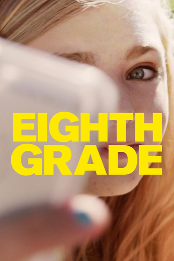
Image: A24 / Sourced via TMDB.
Amélie (2001) — A shy Parisian orchestrates kindness for everyone around her but can’t bring herself to connect directly. Social anxiety rendered as whimsy—until you recognize the avoidance pattern underneath the charm.

Image: Claudie Ossard Productions / Union Générale d'Audiovisuel (UGC) / Sourced via TMDB.
Dear Evan Hansen (2021) — A socially anxious teen fabricates a friendship with a deceased classmate. What starts as desperate people-pleasing spirals into the kind of deception anxiety breeds when you’re terrified of being seen.

Image: Universal Pictures / Sourced via TMDB.
Punch-Drunk Love (2002) — Adam Sandler plays a man whose social anxiety manifests as explosive rage, not quiet withdrawal. A reminder that anxiety doesn’t always look like shyness. Sometimes it looks like breaking things.

Image: Columbia Pictures / Sourced via TMDB.
Zelig (1983) — Woody Allen’s comedic mockumentary follows a man who physically transforms to match whoever he’s around. The most literal metaphor for social anxiety’s chameleon survival strategy ever put on screen.

Image: Orion Pictures / Sourced via TMDB.
The Perks of Being a Wallflower (2012) — A freshman navigates high school with buried trauma and social anxiety so deep he can’t name it. The movie captures how past pain compounds the already impossible work of belonging.

Image: Summit Entertainment / Sourced via TMDB.
What movies show panic attacks, OCD, PTSD, and agoraphobia without the Hollywood drama?
These films portray anxiety disorders and the physical and emotional weight they carry—without sensationalizing the experience.
Panic Disorder & Panic Attacks
Inside Out 2 (2024) — Anxiety literally takes over Riley’s emotional headquarters, driving her into a full panic attack. The first major animated film to personify anxiety as a character—and it can help kids and adults alike understand the feeling of fear that hijacks rational thought.
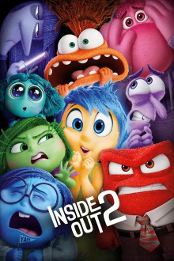
Image: Pixar / Sourced via TMDB.
Puss in Boots: The Last Wish (2022) — An animated action hero has a panic attack. That sentence alone breaks a stereotype. Panic doesn’t discriminate by personality.

Image: DreamWorks Animation / Sourced via TMDB.
Stutz (2022) — Jonah Hill films real sessions with his therapist, documenting anxiety attacks during movie promotion. The most intimate documentary portrayal of panic in recent memory.
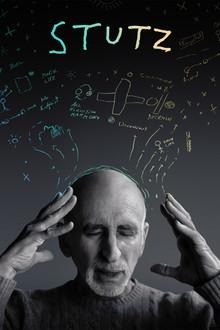
Image: Netflix / Sourced via TMDB.
Midsommar (2019) — Opens with a devastating panic attack born from grief. Ari Aster uses the camera to pull you inside the hyperventilation, the tunnel vision, the loss of solid ground. More anxiety-inducing than most thrillers.

Image: A24 / Sourced via TMDB
Take Your Pills: Xanax (2022) — Patients and specialists examine benzodiazepines from both sides—lifeline and trap. Directly addresses the intersection of anxiety treatment and substance dependence.
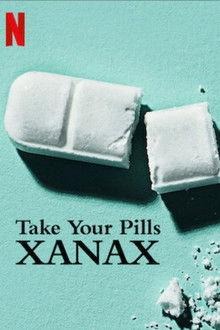
Image: Netflix Studios / Sourced via TMDB.
Obsessive-Compulsive Disorder
As Good as It Gets (1997) — The story of a successful novelist whose life is governed by compulsive rituals—new soap bars, sidewalk-crack avoidance. One of the first mainstream films to show obsessive-compulsive disorder as more than a quirk. Melvin Udall suffers from anxiety so layered it reorganizes every room he enters.

Image: TriStar Pictures / Sourced via TMDB.
The Aviator (2004) — Howard Hughes’s brilliance and his OCD are inseparable. The film shows how intrusive thoughts and irrational fears can coexist with extraordinary achievement—and slowly consume it. An anxiety disorder and irrational fears portrayed without flinching.

Image: Miramax / Sourced via TMDB
Toc Toc (2017) — A Spanish ensemble comedy about six OCD patients stuck in a waiting room. Comedic without mocking the suffering underneath.

Image: Atresmedia Cine / Sourced via TMDB
PTSD & Trauma-Related Anxiety
Ordinary People (1980) — A teenager’s guilt after his brother’s death produces anxiety so pervasive it erodes his family. One of the most nuanced portrayals of the therapeutic process—a quiet journey of self-discovery inside grief.
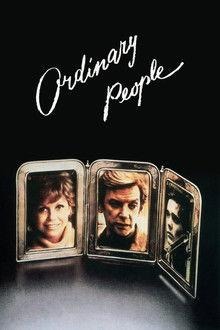
Image: Paramount Pictures / Sourced via TMDB
Precious (2009) — Anxiety born from severe childhood abuse. Since anxiety shaped every corner of her daily life, the portrayal goes beyond diagnosis into something visceral. The film refuses to look away from how adverse experiences create chronic fear.

Image: Smokewood Entertainment Group / Sourced via TMDB
Shutter Island (2010) — Trauma-induced psychosis and paranoid anxiety blurring reality until nothing is reliable. Scorsese uses the thriller genre to show what happens when grief and guilt fracture perception entirely.

Image: Sikelia Productions, Phoenix Pictures / Paramount Pictures / Sourced via TMDB
Manchester by the Sea (2016) — Shows how grief-related anxiety can flatten a person so completely that they stop trying to recover. A portrait of someone living inside unprocessed trauma, not heroically overcoming it.

Image: Pearl Street Films, K Period Media, Amazon Studios / Lionsgate / Sourced via TMDB
The Invisible Man (2020) — Domestic abuse reframed as horror. The protagonist’s hypervigilance, paranoia, and disbelief from others mirror the PTSD experience with devastating accuracy.

Image: Universal Pictures / Sourced via TMDB
Agoraphobia & Specific Phobias
Copycat (1995) — A criminal psychologist develops agoraphobia after being attacked, then tries to solve a case from her apartment. The tension between professional competence and the feeling of fear that won’t release.
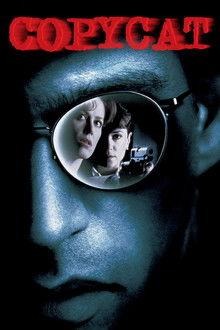
Image: Warner Bros. / Sourced via TMDB
The Woman in the Window (2021) — An agoraphobic woman witnesses a crime—or does she? The film uses unreliable perception to mirror how agoraphobia warps reality and self-trust.

Image: 20th Century Studios / Sourced via TMDB
The King’s Speech (2010) — Public speaking anxiety grounds this story of a future king who must address a nation by radio. Fear of failure carried the weight of history.
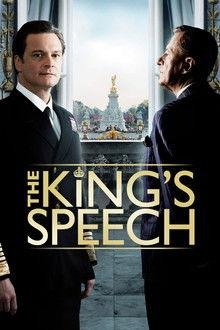
Image: See-Saw Films / Sourced via TMDB
Bunny and the Bull (2009) — An agoraphobic man takes an imaginary road trip through memories because he can’t physically leave his apartment. Shows how phobias can imprison people inside their own interior world.

Image: Warp X / Sourced via TMDB
Anxiety + Depression (Co-Occurring)
It’s Kind of a Funny Story (2010) — When anxiety and depression make you feel like you want to end your life, this film shows what happens when a teenager chooses to check himself into a psychiatric hospital instead. The film uses humor to destigmatize treatment and validates help-seeking—the bravest choice he makes is admitting he can’t handle it alone. A movie that might help cope with both conditions.
Image: Focus Features / Sourced via TMDB
Girl, Interrupted (1999) — Anxiety, depression, and borderline personality disorder collide in a psychiatric hospital. Captures how multiple mental disorders feed each other—and how institutional care can both help and harm.

Image: Columbia Pictures / Sourced via TMDB
Silver Linings Playbook (2012) — Two people navigating anxiety, bipolar disorder, and depression and anxiety find something unexpected in each other. One of the few movies that portrays mental health issues as a daily negotiation, not a plot device.
Image: The Weinstein Company / Sourced via TMDB
Adaptation (2002) — Nicolas Cage plays a screenwriter paralyzed by social phobia, generalized anxiety, and depression simultaneously. The meta-narrative shows how anxiety and self-doubt can turn creative work into its own prison.

Image: Columbia Pictures / Sourced via TMDB
What are the best movies for anxiety and depression when you just need something gentle?
Sometimes you don’t want a mirror. You want a blanket. These won’t be anxiety-inducing. They’ll help you breathe.
The Secret Life of Walter Mitty (2013) — Courage as quiet, incremental acts. Watching movies like this one can make you feel less alone—like permission to imagine a bigger life.

Image: 20th Century Fox / Sourced via TMDB
Paddington 2 (2017) — Radical kindness as antidote to a harsh world. No exaggeration—it ranks among the 10 best comfort movies of all time for emotional health.

Image: StudioCanal / Sourced via TMDB
My Neighbor Totoro (1988) — Childhood safety and wonder, rendered in hand-drawn magic.

Image: Studio Ghibli / Sourced via TMDB
Soul (2020) — Redefines purpose beyond achievement anxiety. Pixar at its most philosophical.

Image: Pixar Animation Studios / Sourced via TMDB
About Time (2013) — Mindfulness and presence versus anxious future-thinking. A gentle comedy about choosing the moment you’re in.

Image: Universal Pictures / Sourced via TMDB
Inside Out (2015) — The original emotional vocabulary builder. If you watch ten movies about emotional health this year, start here.
Image: Pixar Animation Studios / Sourced via TMDB
Sometimes the bravest thing you can do is let yourself exhale for ninety minutes.
You’ve already taken the hardest step—recognizing that what you feel has a name. Contact Wish Recovery to check what your benefits cover and the treatment options available. It’s completely confidential.

What happens when anxiety comes with addiction, depression, or something else?
Anxiety rarely shows up by itself. It brings company.
Research consistently shows that individuals with substance use disorders experience anxiety at rates far exceeding the general population. Studies have shown time and time again that people with substance use disorders are much more likely to feel anxious than the general population. A big study that looked at patient records and people getting opioid agonist treatment found that the most common mental health problems that went along with them were phobias and other anxiety disorders. These were identified in 31.1% of patients in Czechia and 33.8% of patients in Norway (Rolová et al., 2024).
The relationship runs both directions. Among adults newly diagnosed with ADHD, anxiety disorders appeared at rates 4–9 times higher than in the general population, with substance use disorders among the most common co-occurring conditions (Pehlivanidis et al., 2020).
Substance abuse frequently co-occurs with anxiety and depression, two common disorders in community-based mental health settings (Foster et al., 2024).
For this reason, treatment design is very important. Treatment for anxiety is less successful when substance abuse is not addressed, or vice versa. Compared to sequential or isolated models, integrated approaches—which involve treating both conditions concurrently by clinicians trained in dual diagnosis—consistently produce better outcomes (Rolová et al., 2024).
Wish Recovery was created to address this specific need: a highly private residential program in Los Angeles, limited to 12 clients, offering personalized treatment plans that address anxiety, addiction, depression, and trauma together.
Evidence-based therapies like CBT, DBT, and EMDR work alongside holistic modalities including yoga, meditation, and acupuncture—treating the whole person, not isolated symptoms.
If anxiety and substance use overlap in your life, you deserve care that treats the full picture.
Treating one condition while ignoring the other doesn’t work.
Reach out to Wish Recovery to learn what integrated care looks like.
Will it always feel like this?
The question underneath every anxious thought is usually the same one. And the answer is no—if you get the right professional help.
Cognitive-behavioral therapy is the most extensively studied treatment for anxiety disorders. Canadian clinical practice guidelines confirm CBT as an effective first-line option for social anxiety disorder, generalized anxiety disorder, OCD, and PTSD (Katzman et al., 2014). For generalized anxiety, CBT has been found as effective as medication. For OCD, exposure and response prevention—a core CBT component—has proven equivalent or superior to pharmacotherapy, with benefits maintained for one to five years (Katzman et al., 2014).
Exposure therapy is the most underused tool in the toolbox. A study of licensed psychotherapists found that while nearly all reported providing CBT, therapist-assisted exposure was rarely utilized in actual practice (Hipol & Deacon, 2012). In Germany, over 80% of OCD patients reported that no exposure component was used in their treatment—even though their therapists had requested insurance coverage for it (Hipol & Deacon, 2012). Knowing this gap exists means you can advocate for yourself. Ask specifically for exposure-based treatment.
Medication can help too. SSRIs are a first-line pharmacological option for generalized anxiety, panic disorder, social anxiety, OCD, and PTSD, though full therapeutic effects typically take three to eight weeks (Katzman et al., 2014). Virtual reality exposure therapy has emerged as a potentially effective alternative, demonstrating comparable efficacy to traditional in-person exposure techniques for certain phobias and post-traumatic stress disorder (Emmelkamp & Meyerbröker, 2021). Furthermore, the advantages of cognitive behavioral therapy extend beyond the alleviation of anxiety symptoms; a preliminary investigation revealed enhancements in affect, physical activity, and sleep patterns throughout the course of treatment (Brown et al., 2022).
Wish Recovery and other residential treatment programs offer round-the-clock medical supervision, concierge-level care, and a wide range of services, from medical detoxification to outpatient care. This is especially important for people with severe or treatment-resistant anxiety who are also using drugs at the same time. Discreet, HIPAA-compliant, and designed so treatment doesn’t end when you leave the estate.
It won’t always feel like this. Treatment works.
Treatment doesn’t require you to be “ready enough.” It requires one conversation to get started.
Contact Wish Recovery today to find out what’s possible.
FAQs About Movies About Anxiety
Can watching movies help with anxiety?
Research says yes. A longitudinal study found statistically significant anxiety reduction in patients who watched films within a structured therapy program (Chieffo et al., 2022). Watching movies about anxiety can help you identify symptoms, feel less alone, and build the emotional vocabulary to describe what you’re experiencing.
What is cinematherapy?
Cinematherapy is the therapeutic use of film to support mental health treatment. It involves three steps: a therapist selects a film, the patient watches it, and a guided discussion follows (Sacilotto et al., 2022). Roughly two-thirds of therapists already incorporate film into clinical work.
What movies accurately portray anxiety disorders?
Eighth Grade (social anxiety), Inside Out 2 (panic attacks), As Good as It Gets (OCD), Ordinary People (PTSD), and Copycat (agoraphobia) are frequently cited by mental health professionals for accuracy. Accurate portrayal reduces stigma. Sensationalized ones reinforce it.
Is Inside Out 2 about anxiety?
Yes. Inside Out 2 explicitly personifies Anxiety as a character who hijacks Riley’s emotional control panel during adolescence. The film depicts a full panic attack sequence and has become a cultural reference point for how anxiety works—especially for young people.
What movies show panic attacks?
Midsommar (2019), Inside Out 2 (2024), Stutz (2022), and Puss in Boots: The Last Wish (2022) shows what it's like to be in a panic in different ways. These movies tell stories in different ways, like using animated metaphors and real-life footage.
Can movies trigger anxiety?
Yes. Movies that feature intense soundscapes, sudden scares, or graphic portrayals of trauma can trigger the body's fight-or-flight response. If you’re sensitive to triggers, check content warnings before watching.
What is the best movie about social anxiety?
Most people think that Eighth Grade (2018) is the most realistic movie about social anxiety. It shows the difference between who someone wants to be and who anxiety lets them be.
Are there documentaries about anxiety?
There are three great films that cover therapy, medication, and real-life experiences: Stutz (2022), Take Your Pills: Xanax (2022), and The Truth About Anxiety (2022).
A mirror shows you what’s there. It can’t change it. For that, there are people who’ve spent their careers learning how. You don’t need the perfect words. You just need one honest sentence—and you’ve already said it to a search bar. Say it to a person next.
Your next step doesn’t have to be perfect. If you want to talk to someone at Wish Recovery about addiction, anxious feelings or both, contact us today.
Brémault-Phillips, S., Bright, K., Phillips, A., & Vermetten, E. (2022). Scenario-based supported interventions for moral injury and PTSD. Frontiers in Psychiatry, 13.
Brown, L., Narine, K., Asnaani, A., Bredemeier, K., & Mu, W. (2022). Changes in affect, physical activity, physical health, and sleep in CBT for anxiety. Journal of Behavioral and Cognitive Therapy, 32(1), 45–56.
Chieffo, D., Lafuenti, L., Mastrilli, L., et al. (2022). Medi-Cinema: A pilot study on cinematherapy and cancer. Cancers, 14(13), 3067.
Emmelkamp, P. & Meyerbröker, K. (2021). Virtual reality therapy in mental health. Annual Review of Clinical Psychology, 17(1), 495–519.
Foster, G., Taylor, D., & Gough, S. (2024). Connections between specific mental health diagnoses and primary substance use. Advances in Dual Diagnosis, 17(2), 72–84.
Griffiths, K., Batterham, P., Barney, L., & Parsons, A. (2011). The generalised anxiety stigma scale (GASS). BMC Psychiatry, 11(1).
Hipol, L. & Deacon, B. (2012). Dissemination of evidence-based practices for anxiety disorders in Wyoming. Behavior Modification, 37(2), 170–188.
Kågström, A., Alexová, A., Tušková, E., et al. (2019). The treatment gap for mental disorders in the Czech Republic. European Psychiatry, 59, 37–43.
Katzman, M., Bleau, P., Blier, P., et al. (2014). Canadian clinical practice guidelines for the management of anxiety, PTSD, and OCD. BMC Psychiatry, 14(Suppl 1), S1.
Paintain, E. & Cassidy, S. (2018). First-line therapy for PTSD: A systematic review of CBT and psychodynamic approaches. Counselling and Psychotherapy Research, 18(3), 237–250.
Pehlivanidis, A., Papanikolaou, K., Mantas, V., et al. (2020). Lifetime co-occurring psychiatric disorders in newly diagnosed adults with ADHD or ASD. BMC Psychiatry, 20(1).
Rolová, G., Skurtveit, S., Gabrhelík, R., et al. (2024). Exploring dual diagnosis in opioid agonist treatment patients. Addiction Science & Clinical Practice, 19(1).
Sacilotto, E., Salvato, G., Villa, F., et al. (2022). Through the looking glass: A scoping review of cinema and video therapy. Frontiers in Psychology, 12.
Subramaniam, M., Abdin, E., Vaingankar, J., et al. (2019). Minding the treatment gap: Results of the Singapore Mental Health Study. Social Psychiatry and Psychiatric Epidemiology, 55(11), 1415–1424.
Turns, B. & Macey, P. (2015). Cinema narrative therapy: Utilizing family films to externalize children’s ‘problems.’ Journal of Family Therapy, 37(4), 590–606.
Zhou, X., Zhou, A., & Sun, X. (2021). Prevalence of common mental health concerns and service utilization among international students.



 March 23, 2026

