












Wish Recovery’s Blog Category

Addiction Treatment

Does UnitedHealthcare Cover Rehab and Detox? A 2026 Guide

You're holding the insurance card, running numbers before you've even said the word rehab out loud. That fear is real. It makes sense. So does the question underneath it: will United Healthcare actually pay for this? The short answer is yes. In most cases, drug and alcohol rehab and detox are covered under your health insurance plan. But how much your insurance coverage actually pays changes everything about your bill. So does your network and the conditions attached. This guide walks you through your United Healthcare coverage options, plainly, and what your plan may not cover.

Key takeaways

  • UnitedHealthcare covers medically necessary rehab and detox through Optum Behavioral Health, its behavioral health partner.
  • Coverage often stretches from detox through outpatient rehab, including PHP and IOP, once medical necessity is established.
  • With a PPO, out-of-network rehab centers are on the table, but reimbursement gets calculated differently than in-network care.
  • That's different from UnitedHealthcare's Medicare inpatient rehab benefit, which covers physical recovery, not addiction treatment.


You don't have to sort through plan language alone. Reach out to our team for a confidential conversation about what's possible for you.


Out-of-State Rehab & PPO Coverage: How It Actually Works

Somewhere between deciding you need addiction treatment and booking a flight, one question stops everything: will your insurance follow you out of state? Most PPO plans include an out-of-network benefit built for exactly this situation. When a rehab center isn't in-network, there's often a specific tool your admissions team can request on your behalf. This guide walks you through how out-of-state rehab, PPO coverage, single case agreements, and discreet travel work, so you're deciding with real information instead of guesswork.

Key takeaways

  • Many PPO plans cover addiction treatment out of state, so your options don't stop at the state line.
  • When a rehab center isn't in-network, a single case agreement can bring costs closer to in-network rates.
  • Federal parity law requires insurers to cover behavioral health care no more restrictively than physical health care.
  • Substance use treatment records carry stronger federal privacy protections than general health records, supporting discreet travel.


You don't have to have every insurance question answered before you reach out. Talk with our admissions team today, and we'll help you map out your treatment options.


How to Choose a Luxury Residential Rehab: An Honest Guide for Families

Five browser tabs open. Five infinity pools. Five "world-class" claims. At some point, luxury rehab websites start looking like the same brochure with a new logo on top.

That skeptical feeling isn't distrust. It's smart.

This guide skips the sales pitch. We'll cover what actually makes a luxury residential rehab worth choosing.

Real accreditation you can check yourself. An honest staff-to-client ratio. The red flags most families never hear about.

Key takeaways

  • Luxury amenities and real clinical quality are only weakly linked, so comfort alone shouldn't decide your choice.
  • A legitimate rehab holds a current state license plus at least one independent accreditation you can verify yourself.
  • Ask for the actual clinician-to-client ratio today, not a marketing number or a maximum capacity.
  • Patient brokering, pressure to decide fast, and guaranteed beds before insurance verification are real warning signs.

Vetting a rehab shouldn't feel like a second job. Talk with our admissions team about any question in this guide, no commitment required.


Gambling and Alcohol Addiction: Why They Go Together

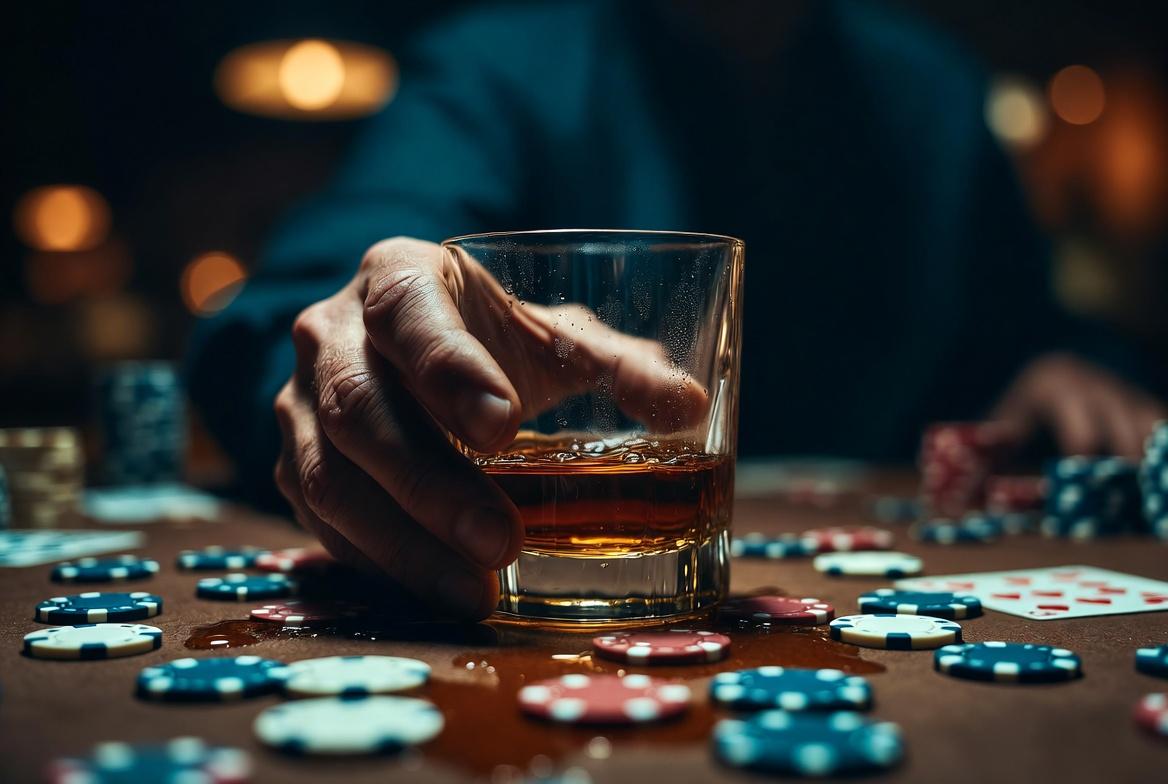
Maybe it started with one drink to steady your nerves before you sat down to play. Or maybe the losses came first. Pouring a drink was the only thing that quieted the noise afterward. If gambling and alcohol addiction feel like the same problem wearing two faces, you are not imagining a pattern. You are describing a real one, and there is a reason it happens.

Key takeaways

  • Gambling addiction and alcohol addiction often develop together. They share the same reward pathway in the brain, not weak willpower.
  • Twin research shows genetic and environmental factors explain much of the overlap between gambling disorder and alcohol use disorder.
  • An addictive personality is a real, researched vulnerability. It is not an excuse you made up.
  • Treating both addictions together, instead of one at a time, tends to work better.


You do not have to sort out which addiction came first before reaching out. Talk with our team confidentially today, and let us help you make sense of it.


Your Guide to Effective 30-Day Rehab Programs in New York

When you’re exploring a 30 day rehab program in New York, you’re looking at a structured, inpatient residential treatment plan designed to guide you through withdrawal, therapy, and relapse prevention over roughly four weeks. A 30-day inpatient program requires you to live on-site at a treatment facility, where you’ll take part in individual and group therapy, 12-step meetings, life-skills workshops, and holistic activities. This model offers around-the-clock medical and emotional support, making it an ideal starting point if you’re hesitant to commit to longer-term care or if your primary goal is to build a foundation for long-term sobriety.

A Brief History of the Word Addiction

The term "addiction" has historically had Latin roots, with translated meanings ranging from deity devotion to attachments to enslavement.

What is Luxury Rehab?

Here’s the truth nobody wants to say while comparing rehab centers at 2:17 a.m.: two programs can promise the same “evidence-based care,” look equally beautiful online, and still produce very different outcomes. If you’ve clicked through luxury rehab websites and felt more confused than hopeful, that’s not you—it’s the industry speaking in fog.


For families looking at rehab centers for drugs, the stakes feel personal and immediate, not theoretical. You’re not shopping for amenities—you’re searching drug rehabilitation facilities that can actually stabilize a brain and a life.

What is NAD+ Therapy and How Can it Help Me During Detox?

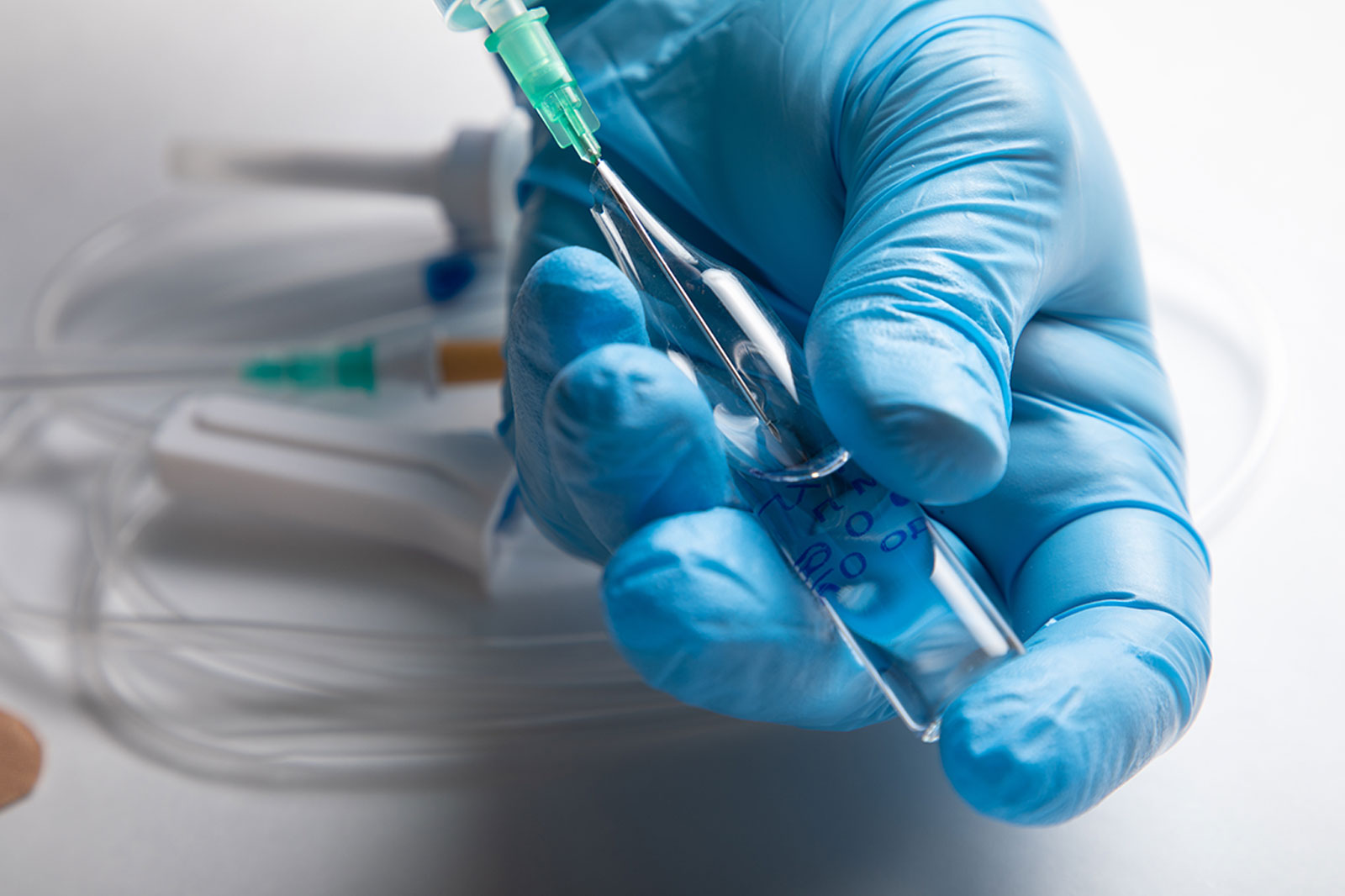
NAD+ therapy is an IV treatment that is often used to combat the degenerative effects of aging, however, it is quickly gaining popularity as a treatment for drug and alcohol addiction. This trendy treatment is able to reduce withdrawal symptoms, alleviate drug cravings, boost energy levels, and improve mental clarity by healing your body at the cellular level.

Exploring the Benefits and Effectiveness of Holistic Drug Rehab Programs: A Comprehensive Guide

You're comparing websites again. The tab count is somewhere past fifteen, and every luxury holistic drug rehab in Los Angeles sounds both transformative and identical.

“Evidence-based.” “Personalized care.” “Holistic approach.”

At some point you stop reading and start scrolling, hoping a sentence will finally “feel” true. Maybe you’re researching for yourself. Maybe you’re researching for someone you love who doesn’t think they need help yet.

Here’s what matters: if you’re here, you’ve already admitted something has to change.

This isn’t a sales pitch. It’s a guide through what “holistic” means beyond marketing, why environment shows up in clinical research, and how to choose care that actually fits.

Your Path to Recovery: 30 Day Rehab Programs in Wisconsin

If you’re exploring a 30 day rehab program Wisconsin, you’re looking for a structured, time-limited approach to addiction recovery that balances intensity with affordability. A 30-day inpatient setting offers a contained environment where you can focus on withdrawal management, evidence-based therapy, and peer support without external distractions.

Recovery Types: The Differences Between Passive and Active Recovery

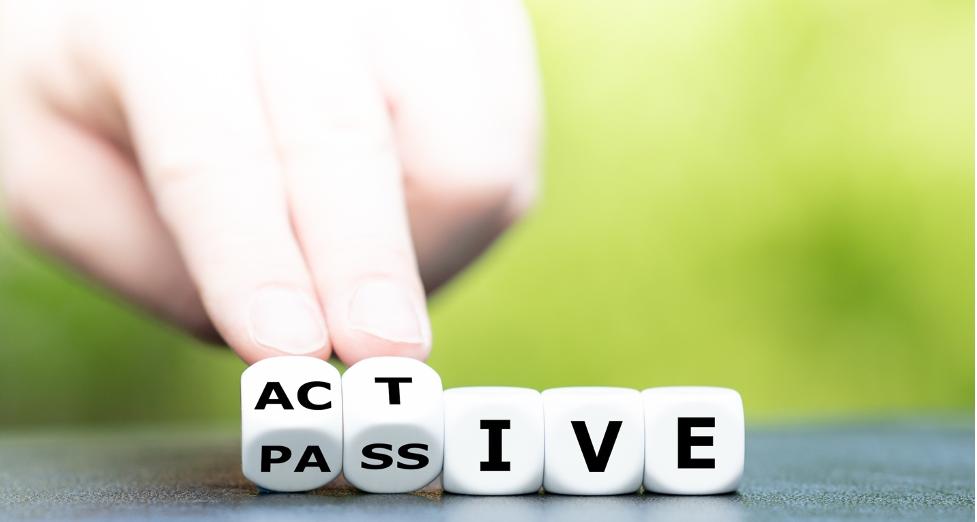
An essential thing to remember about recovery is that it is a process. There are two ways to recover from alcohol use and substance use disorders: passively and actively. Passive recovery involves abstinence from drugs or alcohol without treatment. In contrast, active recovery requires both abstinence and professional care. Between the passive and active ends of the recovery spectrum, exists variations in degree and many combinations of both extremes—depending on the individual in recovery. The choice between these two methods usually depends on the severity of the condition and the support system in place.

The Best Meth Addiction Treatment Programs in Massachusetts

If you’re researching meth addiction treatment Massachusetts options, you’ll find a range of evidence-based programs offering safe detox, clinical residential care, and specialized therapies. You deserve a treatment plan tailored to your needs—whether you face co-occurring mental health disorders or require a structured inpatient environment. In this guide, you’ll discover top meth addiction treatment facilities in Massachusetts, an overview of detox and rehab choices, and resources to support your recovery journey.

Understanding Substance Misuse, Abuse, Dependence and Addiction

Knowing the differences between the misuse and abuse of drugs or having a dependence on or an addiction to psychoactive substances like alcohol or pain relievers can help you communicate to others, particularly medical and mental health professionals, about your relationship with substances. These affiliated terms of substance use may seem to represent the same thing, and you'll find that some providers use a few of them interchangeably. But, if you want to understand the breadth of your relationship with psychotropic substances, the descriptions of these terms below may be informatively revealing.

Clear Mind Vs. Addiction Mind & Clean Mind

A clear mind is synthesized as the convergence point of a clean mind and an addiction mind. With a clear mind, you're sober, but you also recognize warnings and take precautions to avoid relapse.


To have a clean mind is to be sober and free from problematic addictive behavior for an extended time, yet to be utterly ignorant of the risks and desires associated with returning to it. Having a clean mind might make you feel like you can conquer your addiction and never give in to the urge to use substances or drink again. This is the fallacy of sobriety, in that there is the conviction that one is no longer affected by addiction.

The Newness of You: Building a New Life After Addiction

Taking the first step towards recovery is a crucial part of a transformative journey toward a fulfilling life of sobriety. Although it may seem daunting, you possess the strength to grow and improve daily.


Rebuilding a life after addiction requires immense courage, determination, and a supportive community recognizing the challenges ahead. It is a journey that necessitates introspection, progress, and the cultivation of healthy coping mechanisms to overcome obstacles.

Exploring Alternative Treatment Beyond 12-Step Programs for Addiction

Why do relapse rates for addiction treatment reach 40-60% within just six months? The answer might surprise you—and change everything about how you view recovery.


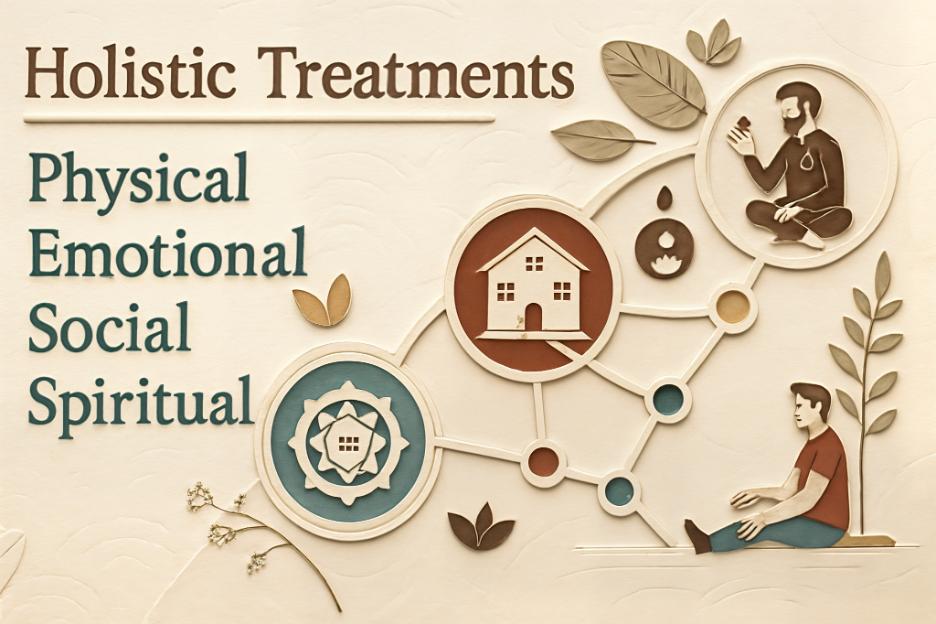
If you've tried traditional addiction treatment without lasting success, you're not alone. Millions of people are discovering that recovery isn't one-size-fits-all—it's deeply personal. Alternative addiction treatment models are revolutionizing how we approach healing by addressing your whole self: mind, body, and spirit. From holistic therapies and mindfulness practices to personalized family support, these innovative approaches offer hope where conventional methods may have fallen short. Your unique journey deserves a unique path to recovery.

Four Cognitive Distortions that Get in the Way of Recovery

It is not simple to recover from a substance use problem. It typically entails exercising self-control and avoiding individuals who might lure you back to substance use. However, one of the most challenging aspects of recovery is changing your way of thinking. Your ideas are an integral component of your substance use disorder (SUD). Negative thoughts can interfere with your treatment and healing.

Elite Privacy in Luxury Rehab Center for Confidential Addiction Recovery Treatment

Are you ready to seek help for addiction, but every time you consider treatment, one thought stops you cold—what if someone finds out? What if your career, reputation, or relationships suffer because you dared to prioritize your health?


You're not alone in feeling this way. The fear of judgment and exposure prevents countless people from getting the desperately needed help. This is where discreet treatment becomes not just a preference, but a necessity for recovery success.


At Wish Recovery, we understand that healing requires more than medical expertise—it demands complete privacy and emotional safety. Our exclusive 12-client maximum ensures you'll never feel lost in the crowd or worry about bumping into someone you know. In this article, you'll discover precisely how discreet luxury rehab protects your confidentiality while delivering the personalized care that transforms lives for good.

Introducing Intravenous Detox: The Next Step in Safe, Medically Supervised Recovery

When considering addiction treatment options, it's critical to look at how the treatment center approaches detoxification. Detoxing involves many risks, sometimes life-threatening when attempting cold turkey at home or without medical supervision. The safest and most effective approach is to have a medically supervised detox at a treatment facility.

Does Marijuana Increase Sensuality and Lead to More Stimulating Sex?

Cannabis has long been used in traditional medicine as a sexual stimulant. The National Commission on Marijuana and Drugs found that 44% of marijuana users felt marijuana significantly increased their sexual drive. More than two-thirds of the marijuana users, men and women, said it increased sexual desire. Many of them smoked only about one joint per week.