















Wish Recovery’s Blog

Welcome to the Wish Recovery addiction treatment and addiction recovery blog. Browse through our growing number of resources like videos and articles to learn more about addiction and recovery. We add more content all the time.

What You Need to Know About Dual Diagnosis Treatment in New Hampshire

If you’re seeking dual diagnosis treatment in New Hampshire, you need a program that addresses both substance use and mental health disorders at the same time. Dual diagnosis occurs when you have a substance use disorder alongside a co-occurring mental health condition such as depression, anxiety, or bipolar disorder. Treating these conditions separately can lead to higher relapse rates and poorer outcomes, so integrated treatment is considered the standard of care.

Drug Detox in New Jersey: Powerful Steps Toward Recovery

If you’re researching drug detox in New Jersey, you’ll find a comprehensive continuum of care designed to help you safely manage withdrawal and transition into recovery. The Division of Mental Health and Addiction Services (DMHAS) serves as the single state authority setting policy for substance use disorder treatment, prevention, and recovery support services across New Jersey. Under DMHAS guidance, providers follow American Society of Addiction Medicine (ASAM) patient placement criteria to ensure you receive the right level of care—from medical detox through outpatient or residential treatment.

Prevalence and Prevention of Fentanyl Abuse and Overdose

Fentanyl overdoses remain a recurring topic in national and local news, with reports surfacing almost daily. According to the California Department of Justice, California witnessed nearly 4,000 fatalities in 2020 due to fentanyl overdoses.

Since 2013, the opioid crisis has been exacerbated by the emergence of illicitly manufactured synthetic opioids, including fentanyl and related compounds. These substances have been linked to a significant rise in overdose deaths. According to estimates, Fentanyl is believed to be 50-100 times more potent than heroin. When combined, the two substances may synergistically affect respiratory depression.

Finding Trusted Inpatient Rehab in North Carolina for Your Recovery

You’re ready to start recovering, and finding trusted inpatient rehab in North Carolina is the first step. Whether you need medically supervised detox, 24/7 residential care, or specialized therapies, inpatient rehab in North Carolina offers structured programs to support your path to sobriety. By understanding costs, facility types, treatment components, timelines, and co-occurring disorder resources, you can choose the right setting for your recovery goals.

The Optimal Inpatient Experience: Treatment Designed for You

When you or a loved one finally come to the realization that a problem is more than a problem, and a habit has become a disorder it is time to take the next step and determine how, where, and by whom those issues can be treated.

Mental Health Awareness Month 2026: See the Person, Support the Journey – How Dual Diagnosis Luxury Care Creates More Good Days in Recovery

Something's off. You've known it for a while. Maybe it shows up as anxiety you can't shake, depression that won't lift, or a substance you reach for just to feel like yourself again. This is Mental Health Awareness Month 2026, and this year the conversation about addiction and dual diagnosis finally sounds like it was written for you.

Key takeaways

  • Three out of four people with substance use disorder also experience symptoms of at least one mental health condition
  • Mental Health Awareness Month 2026 and SAMHSA's "More Good Days Together" theme put dual diagnosis at the center of the national mental health conversation
  • Getting help for addiction and mental health at the same time works far better than treating one and waiting on the other
  • Where you heal matters as much as how you heal—safety, privacy, and a small supportive group are part of what makes recovery stick

If you're managing both addiction and a mental health condition, Wish Recovery's integrated dual diagnosis program in LA offers personalized, confidential care built for exactly this. Start the conversation here.

Reliable Benzo Detox Services in Nebraska for Your Safety

You’re taking the first step toward safer benzodiazepine withdrawal when you explore benzo detox Nebraska programs. Benzodiazepine addiction can develop in as little as four weeks of use for anxiety, insomnia, or seizure disorders, and quitting on your own can trigger severe symptoms. With medically supervised detox, you get 24/7 monitoring, tapering protocols, and medication-assisted support to reduce risk and discomfort.

Prescription Drug Detox in Kentucky: What You Need to Know

You’re taking the first step toward recovery when you explore prescription drug detox Kentucky, and it’s natural to have questions about what comes next. Whether you’re dealing with opioids, benzodiazepines, stimulants or multiple substances, medically supervised detox provides the safest path off medications. In Kentucky, you’ll find options ranging from day-program outpatient detox to fully staffed residential units. In this article, you’ll learn what to expect, how much detox may cost, which providers serve your area, and how to connect with ongoing care.


Finding the Best Residential Treatment Center in New York

If you’re searching for a residential treatment center in New York, you want a program that offers comprehensive medical detox, evidence-based therapies, and support for any co-occurring disorders. Choosing the right facility affects your recovery journey, timelines, and long-term success. In this guide, you’ll learn how residential rehab works, compare program features and timelines, review costs and credentials, and explore top New York treatment centers to find the best fit for your needs.

Why Medical Detox in North Carolina Is a Vital First Step

When you start a medical detox north carolina program, you’re taking a crucial first step toward recovery. Medical detox is a medically supervised withdrawal process that helps you manage physical and psychological dependence on substances such as alcohol, opioids, benzodiazepines and stimulants. By choosing a medically monitored environment, you reduce the risk of severe symptoms and give yourself the safest, most supportive start to sustained sobriety.

You Don't Have to Disappear to Get Better: What Short-Term Medical Detox in Los Angeles Can Actually Change

Maybe you've been telling yourself you can handle this on your own. Or maybe "I don't have time" has quietly become the reason you keep postponing a conversation your body has been trying to start for a while. Both can be true at once—the awareness that something needs to change, and the very real sense that your life doesn't have room for a month away. Short-term medical detox in Los Angeles exists for exactly that space.

Key takeaways:

  • Medical detox safely clears substances from the body in 3–14 days, with timelines varying by substance.
  • Work and family obligations are clinically real barriers—short-term detox is a valid, evidence-based option.
  • Where you detox matters medically: environment, oversight, and dual diagnosis care all affect outcomes.
  • Detox is the beginning, not the end—what follows determines long-term recovery.


If you're trying to understand what your options actually are, we're here to help you think it through.
Talk to someone on our team—no pressure, no commitment, just a real conversation.

Why We Take Extreme Risks: What the Empire State Climbers Reveal About Trauma and Addiction

Two people climbed the Empire State Building in the middle of the night. They hid inside for hours, cut through two locked security gates, and reached the spire nearly 1,450 feet above the street. Then Ivan Kuznetsov got down on one knee and proposed.

Prosecutors called it "extreme risk-taking behavior." The headlines called it a stunt. But Kuznetsov said something else once, in a quieter moment, about why he climbs at all: "The higher I went, the easier it was to breathe."

That line is not really about the building. It is about relief, the same relief people look for in a drink, a pill, or a fight. If you have ever wondered why someone you love keeps chasing the riskiest version of a feeling, keep reading.


Key takeaways

  • Sensation seeking is a real personality trait, not a character flaw.
  • Trauma can wire the brain to crave intensity as a way to feel safe.
  • Needing bigger risks for the same relief mirrors addiction's tolerance cycle.
  • Treating trauma and risk-taking together works better than treating them apart.


If any part of this feels familiar, you do not have to figure it out alone.
Reach out to our team today for a private, no-pressure conversation about what real support can look like.


Alcohol Rehab in Wisconsin: Options That Work for You

Alcohol rehab is about more than stopping use—it’s about building coping skills, addressing co-occurring mental health concerns and connecting with ongoing support. Throughout this article you’ll see how Wisconsin’s licensed facilities integrate evidence-based treatment, medication-assisted approaches and community resources so you can move toward lasting recovery.

Quick and Compassionate Drug Detox in Wisconsin for You

When you begin drug detox in Wisconsin, your first step is withdrawal management. This phase focuses on safely removing toxins while minimizing discomfort. Medical staff monitor your vital signs, adjust medications, and provide supportive care as your body clears substances. Common symptoms include nausea, sweating, anxiety, and sleep disturbances. With professional oversight, you can navigate withdrawal in a structured setting.

What to Expect at Cocaine Rehab in Connecticut Today

When you’re researching cocaine rehab Connecticut programs, you’ll find a diverse range of options—from medically supervised detox to long-term residential care and outpatient support. With more than 230 drug and alcohol rehab centers statewide, Connecticut offers accredited facilities near urban centers and secluded retreats in rural settings. Whether you need detox services, inpatient rehab, or dual diagnosis treatment, you can tailor your recovery path to your unique needs.
 

Trusted Cocaine Rehab Resources in Kentucky for Your Treatment

Cocaine rehab Kentucky can feel overwhelming when you’re ready to start recovery. Whether you need medically supervised detox, residential stabilization, or specialized therapies, you deserve clear guidance on finding reputable programs, evidence-based treatments, and support services in the Bluegrass State. This article walks you through the stages of care—from detox to aftercare—highlights leading Kentucky facilities, outlines your payment and support options, and shows you how to choose the right path for lasting sobriety.


When the Cravings Run Deeper than Willpower: What the New Ketamine Research Means for Your Recovery

You heard about it somewhere—a podcast, a friend who came back from treatment, a late-night search that started with one tab and ended with twelve. Maybe you've tried other things that worked for a while and then didn't. Maybe the pull toward alcohol or opioids stays even when you want it gone. Ketamine-assisted therapy for addiction is showing up in serious clinical research, and you deserve a clear-eyed look at what the evidence actually says—and what it doesn't.

Key takeaways

  • Ketamine-assisted therapy shows real clinical results for alcohol, opioid, and cocaine use disorders in peer-reviewed research.
  • Ketamine works on the brain's glutamate system—pathways that standard medications can't reach.
  • The hours after a session create a window for change; what fills that window determines what sticks.
  • A luxury residential setting provides 24/7 clinical support that makes the most of that therapeutic window.
  • Adding talk therapy—CBT, DBT, EMDR—around each session consistently produces better results than ketamine alone.

If you're still putting the pieces together, that's exactly where this starts — with information, not pressure. Reach out and we'll answer any questions you have, no commitment required.

Why You Should Think Twice Before Using Narcotics

The United States is a highly medicated country, and doctors are willing to prescribe medications to help with any ailment or pain. But these medications come with the risk of addiction and dependence. While these medications might be effective in the short term, they can be devastating to your health in a long time. Those patients prescribed narcotics should think twice before using them because there are many other options.

Unlocking the Secret to Addiction Recovery: The Power of the Mind-Body Connection

Are you struggling with addiction and looking for an effective way to recover? The key to successful recovery may lie in understanding the powerful connection between the mind and body. The mind-body connection in addiction recovery is an often overlooked yet essential component of regaining health and sobriety. It is important to understand the role of the mind in addiction and how the body can be impacted by addiction to create a comprehensive approach to recovery. With a greater understanding of the relationship between the mind and body, those in recovery can create an effective recovery plan that will help them achieve tremendous success and improve physical and mental well-being. This article will explore the connection between the mind and body in addiction recovery and provide strategies for utilizing this connection to facilitate a successful recovery.

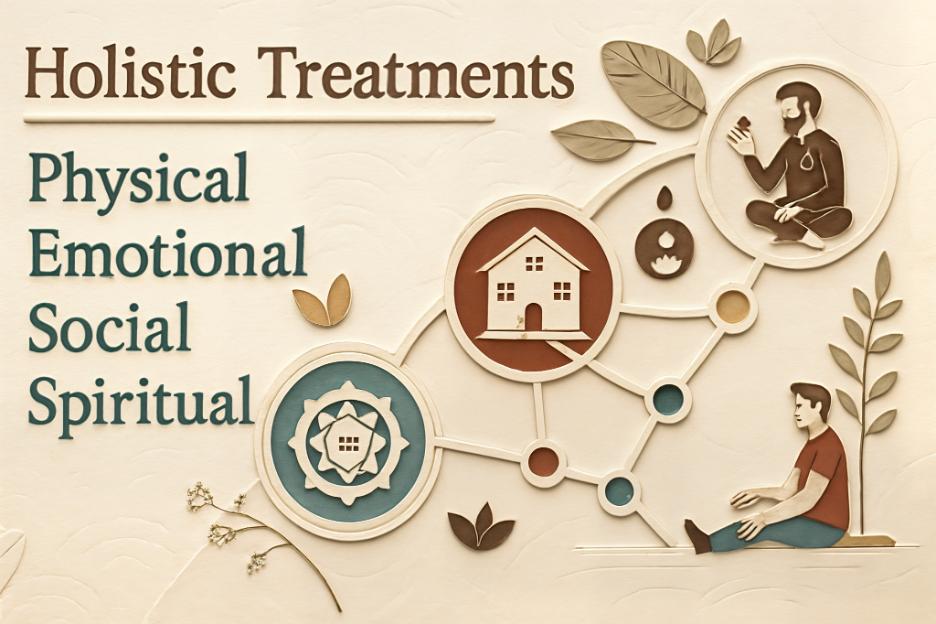
California’s Holistic Approach to Addiction Treatment

California addiction treatment centers are using a multidimensional approach to transform recovery for people struggling with substance misuse. These centers offer unique programs that aim to detoxify the body, mind, and spirit to help individuals rediscover their life's purpose and sense of self.


These centers have emerged as leaders in providing effective substance misuse treatment in California. They offer hope and innovation in the state's addiction treatment landscape.


California addiction treatment centers now offer personalized care, tailoring evidence-based psychosocial therapies like cognitive-behavioral therapy, multidimensional family therapy, and functional family therapy to individuals with dual diagnosis and mental health issues.