

















Wish Recovery’s Blog

Welcome to the Wish Recovery addiction treatment and addiction recovery blog. Browse through our growing number of resources like videos and articles to learn more about addiction and recovery. We add more content all the time.

Find Compassionate Care with Inpatient Rehab in Hawaii

If you’re exploring inpatient rehab in Hawaii, you’re looking for a structured, supportive environment where you can safely detox and begin recovery from substance use disorders. Inpatient rehab, also known as residential rehab, provides 24/7 medical supervision, evidence-based therapies, and a community of peers who understand your journey. Whether you’re facing alcohol dependency, opioid addiction, or stimulant misuse, the immersive setting helps you focus entirely on healing without outside distractions

Discover Effective 30-Day Rehab Programs in Kentucky

You’ll want to start your search by understanding what a 30 day rehab program Kentucky typically involves, how much it costs, and which services match your needs. Whether you need medically supervised detox, residential stabilization, dual-diagnosis care, or substance-specific pathways, this guide will help you compare options, review core services, and choose the right facility for lasting recovery.

Top Detox and Rehab Center Options in Nebraska for Your Recovery

Quality matters when you choose a facility. Look for centers accredited by the Commission on Accreditation of Rehabilitation Facilities (CARF). CARF accreditation confirms adherence to evidence-based practices in withdrawal care, therapy offerings and aftercare planning. Many Nebraska programs also meet state licensing requirements and collaborate with the Nebraska Department of Health and Human Services (DHHS). These partnerships ensure that services are trauma informed, linguistically competent and culturally responsive—including programs contracted through local Native American tribes for prevention and recovery support.

Before you commit, verify a center’s accreditation and review state inspection records. High-quality programs maintain rigorous outcome measurement and continuous improvement processes to deliver safe, effective care.

Discover Life-Changing Residential Treatment Programs in New Hampshire

You’re not alone in seeking a residential treatment program New Hampshire residents trust to guide you from detox through lasting recovery. Whether you need medical supervision for withdrawal, structured therapy in a safe environment or specialized support for co-occurring disorders, the Granite State offers a range of accredited options. In this guide you’ll explore how residential rehab works, what to expect from detox and therapy, insurance and cost considerations, substance-specific pathways and top facilities ready to help you reclaim your life.

Choose the Best Cocaine Rehab in Wisconsin for Recovery

When you’re ready to pursue cocaine rehab Wisconsin offers a range of services tailored to your needs. Whether you need medically supervised withdrawal management, residential programming, or outpatient support, understanding the landscape will help you choose the right path. This guide walks you through detox protocols, treatment settings, therapy models, cost considerations, and long-term recovery strategies so you can make an informed decision.

Trusted 30-Day Rehab Programs in Massachusetts for Your Recovery

Choosing a 30 day rehab program massachusetts residents trust can feel overwhelming. You need a safe medical detox, focused inpatient care, and a clear path to long term recovery. In this guide you’ll learn how 30 day rehab programs in Massachusetts work, what to look for in clinical services, how insurance and payment options apply, and how to prepare for aftercare that keeps you on track.

Why You Can't Feel Joy in Recovery: Anhedonia After Addiction

Struggling to feel joy in recovery? You're not alone. Anhedonia - the inability to feel pleasure - affects countless people in early sobriety, but understanding why it happens is the first step toward healing. Contact Wish Recovery today for personalized support that addresses every aspect of your recovery journey.

What You Need to Know About Prescription Drug Detox Wisconsin

When you search for prescription drug detox Wisconsin, you’re looking for a safe, medically supervised way to clear your system of opioids, benzodiazepines, stimulants, or other prescribed substances. Detox, short for detoxification, is the first critical step in recovery. During this phase, medical staff help you manage symptoms such as nausea, muscle aches, anxiety, or insomnia while your body rids itself of addictive substances.

How to Use the Skill of Problem-Solving

To solve issues, it's not enough to identify their causes; instead, one must make concerted efforts to craft a strategy for effecting change. Specific topics that arise in regular life may be addressed using these methods. The ultimate purpose of problem-solving is to facilitate behavioral modification. As whole, dysfunctional behaviors are issues that must be addressed.

The Role of Family Support in Recovery

When a person has a substance use disorder, it can feel like they’re stuck in a horrible dream, and they are freefalling into an immense vortex of darkness with nothing to hold on to and nothing to protect them as the seemingly endless expanse draws them in. But addiction recovery is not like a never-ending fall from off a mountain cliff or plummet into the stratosphere after being pushed out of an airplane.


Each day of your sobriety is another day in which you are closer to your long-term recovery goals, with people all around bolstering you. It's an ascension, not a fall. You have a support network of providers, a supportive group of peers, and the often most complex but vital support systems, your family. Your loved ones are a pep squad of cheerleading relatives who can hold you accountable and celebrate your successes.

Have You Heard About These Lesser-Known Benefits of Addiction Recovery?

Addiction recovery is a difficult journey with many ups and downs. However, many people don’t realize that, in addition to the apparent benefits of sobriety, there is a host of lesser-known but equally important benefits that come with recovery from a substance or alcohol use disorder (SUD/AUD). These rewards come in surprising packages and are often overlooked or underestimated by those in recovery.


This blog post will take a closer look at some of these lesser-known benefits. We will review the mental, physical, and emotional rewards that come with the hard work of recovery and show that the process can be advantageous.

From improved relationships with family and friends to improved physical and mental health, many excellent benefits of recovery can help make the journey worthwhile. We will also discuss the importance of taking advantage of these benefits and why ensuring they are noticed is vital.

Immediate Help: Detox and Rehab Program in Wisconsin You Can Trust

Finding a detox and rehab program wisconsin residents trust can feel overwhelming, especially when you need care right away. You need services that cover medical withdrawal management, residential therapy programs, and long-term recovery support. Across its 72 counties, Wisconsin offers a comprehensive system of care delivered by hospitals, clinics, community agencies, and private licensed professionals. Whether you’re seeking inpatient rehab or outpatient support, this guide will help you understand your options and take the first step toward recovery.

The Relapse That Saved My Life: Why Setbacks Aren't Failures

Relapse isn't failure—it's the middle of your recovery story. If you used again after weeks, months, or even a year sober, that voice screaming "failure" is operating with incomplete information. This video unpacks what your brain actually built during your sober time, why most people who make it long-term got there through detours, and one 90-second practice you can do right now.

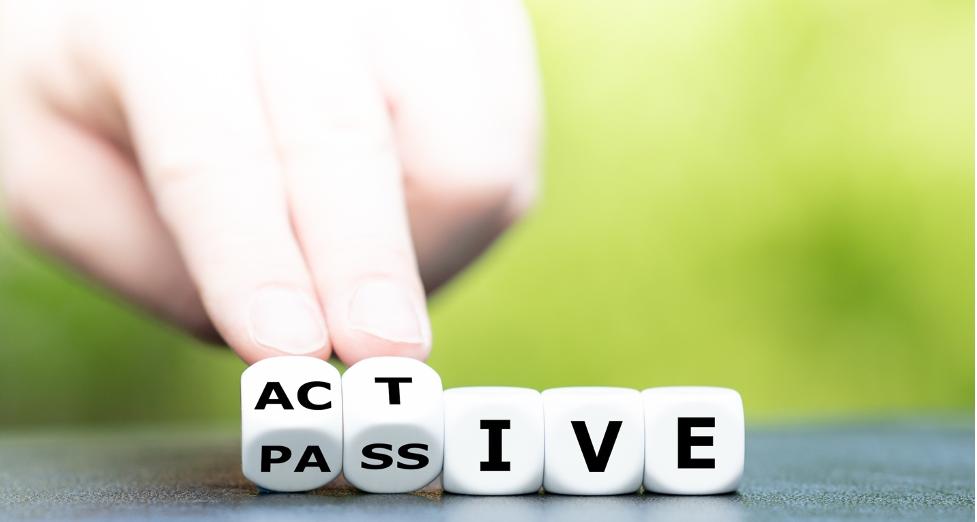
Recovery Types: The Differences Between Passive and Active Recovery

An essential thing to remember about recovery is that it is a process. There are two ways to recover from alcohol use and substance use disorders: passively and actively. Passive recovery involves abstinence from drugs or alcohol without treatment. In contrast, active recovery requires both abstinence and professional care. Between the passive and active ends of the recovery spectrum, exists variations in degree and many combinations of both extremes—depending on the individual in recovery. The choice between these two methods usually depends on the severity of the condition and the support system in place.

Focus on Growth and Healing: Why Many Drug Rehabs Don’t Take Animals

The rising trend of incorporating animals into therapy and substance abuse treatment programs has sparked a valuable conversation about the policies of drug rehabs regarding animals. This article aims to delve into this intriguing subject, exploring the dichotomy between pet-friendly drug rehabs that embrace animal therapy and those that choose not to accommodate our furry friends.


The decision to exclude animals from drug rehabs can be influenced by various factors, including potential health risks, distractions that may impede the recovery process, and the risk of triggering cravings or relapse among individuals undergoing treatment. Additionally, the lack of scientific data and recognized animal models for preclinical studies may contribute to the reluctance of some drug rehabs that don’t take animals.

Understanding Loneliness with Addiction and Isolation and During Recovery

Addiction and isolation are like stuck-together alligator clips, meaning that if you're addicted, there's nothing to plug into except yourself! If you're isolated, all the power flows through you! Being alienated can make you feel dejected, annoyed, and even more disposed to substance abuse to relieve the prevailing feeling of sadness and loneliness.

When a Drink is More Than Just a Drink: Understanding Cultural Alcoholism and Social Drinking

Alcohol is a ubiquitous part of many cultures around the world. From champagne toasts at weddings to after-work happy hours, drinking is often seen as a social activity that brings people together. However, for some individuals, a drink is more than just a drink; it is a part of their cultural identity and can lead to alcoholism (severe alcohol use disorder).


According to the CDC, if you exclude traffic-related and intentional alcohol-related deaths, the total number of alcohol-related fatalities in the US in 2021 was more than 54,000. That's a staggering number, highlighting many people’s complicated relationship with alcohol. Cultural alcoholism and social drinking are two sides of the same coin. On the one hand, it can be a fun way to bond with friends and celebrate special occasions. On the other hand, it can quickly spiral into a dangerous addiction that wreaks havoc on both physical and mental health.

Five Things Not to Do or Say When Your Loved One Is in Rehab

Many people in recovery feel embarrassed or ashamed. Because of how others treat them, many people have problems talking about their drug use, which causes dread and prevents them from obtaining the care they genuinely need. This article will discuss five things to avoid when dealing with such a circumstance and how to communicate to your loved ones without making them feel worse or wanting to clam up and stop getting therapy.

Find the Best Marijuana Addiction Program in New Hampshire

If you’re looking for a marijuana addiction program New Hampshire, you need a comprehensive approach that covers medical detox, clinical therapy, residential support and long-term aftercare. Cannabis use disorder can affect your physical health, mental well-being and daily functioning, so choosing the right program matters. In New Hampshire you’ll find options ranging from inpatient rehab and partial hospitalization to telehealth services, all designed to help you manage withdrawal, build coping skills and maintain lasting sobriety.

Discover Reliable Marijuana Addiction Programs in North Carolina Today

When you’re ready to find a reliable marijuana addiction program north carolina, you need clear information on detox supervision, residential care structure, therapy modalities, recovery timelines, and co-occurring disorder resources. Whether you call it cannabis dependency, cannabis use disorder, or marijuana treatment, the right program can guide you from initial withdrawal through lasting sobriety.