


















Wish Recovery’s Blog

Welcome to the Wish Recovery addiction treatment and addiction recovery blog. Browse through our growing number of resources like videos and articles to learn more about addiction and recovery. We add more content all the time.

What You Need to Know About Opioid Rehab Connecticut Services

When you search for opioid rehab connecticut, you face a complex landscape of treatment options, facility types and payment considerations.Whether you need medically supervised detox, inpatient care, dual diagnosis support or a specialized fentanyl treatment program, Connecticut offers structured pathways to support your recovery journey. This guide walks you through detox procedures, inpatient structures, therapy models, timelines and substance-specific protocols, helping you make informed decisions about your treatment.

Why are Bipolar Disorder and Substance Use often Mentioned Together?

According to the National Institute on Drug Abuse, people who have bipolar disorder are twice as likely to struggle with substance use disorder (SUD). Bipolar disorder and substance use disorder intersect at many levels for various people. Since having bipolar can lead to or worsen SUD symptoms, many people view the two as related.

When a person has a diagnosis of substance use disorder with bipolar, they have co-occurring disorders or dual diagnosis. Even though the term "dual diagnosis" is singular, people with co-occurring conditions must get integrated treatment for each illness for improved life quality.

The Healing Power of Nature: How Nature-Based Therapy Transforms Addiction Recovery

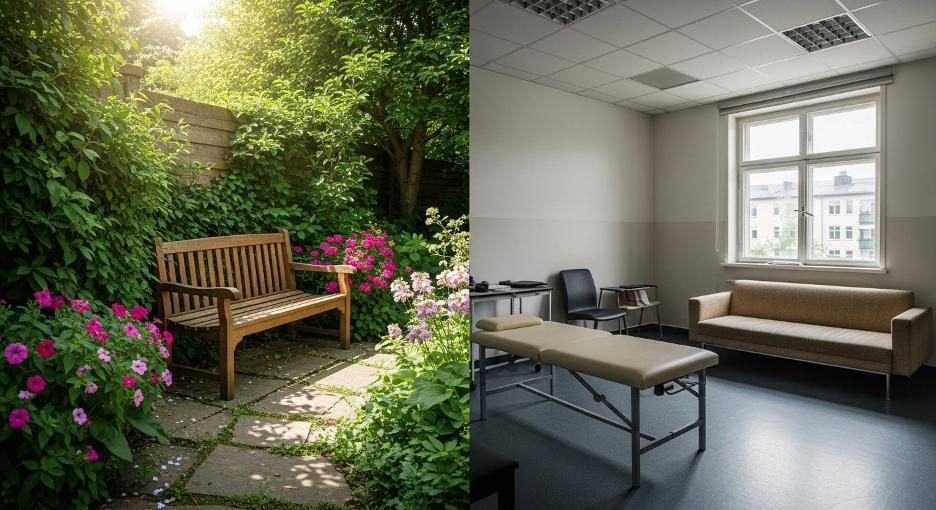
Three AM. You're pacing. Again. What if the answer to addiction recovery wasn't in a clinic—but in a garden?


Most rehab happens under fluorescent lights in rooms that smell like disinfectant. But research shows your nervous system needs something different—something living. Nature-based therapy isn't about tree-hugging platitudes. It's about using forests, gardens, and outdoor spaces as legitimate medicine alongside proven treatments like EMDR and CBT. Here's what happens when healing moves outside, and why Los Angeles rehab centers like Wish Recovery are integrating ecotherapy into comprehensive dual diagnosis care.

How Dual Diagnosis Treatment in Virginia Can Help You Today

If you need dual diagnosis treatment Virginia, you’re seeking care that addresses both a mental health disorder and a substance use disorder in a single, coordinated plan. Dual diagnosis, also known as co-occurring disorders, occurs when symptoms of one condition intensify the other, making simultaneous treatment essential. By choosing an integrated program, you ensure that your mental health challenges and substance use issues receive equal attention, improving your chances for lasting recovery.

Prevalence and Prevention of Fentanyl Abuse and Overdose

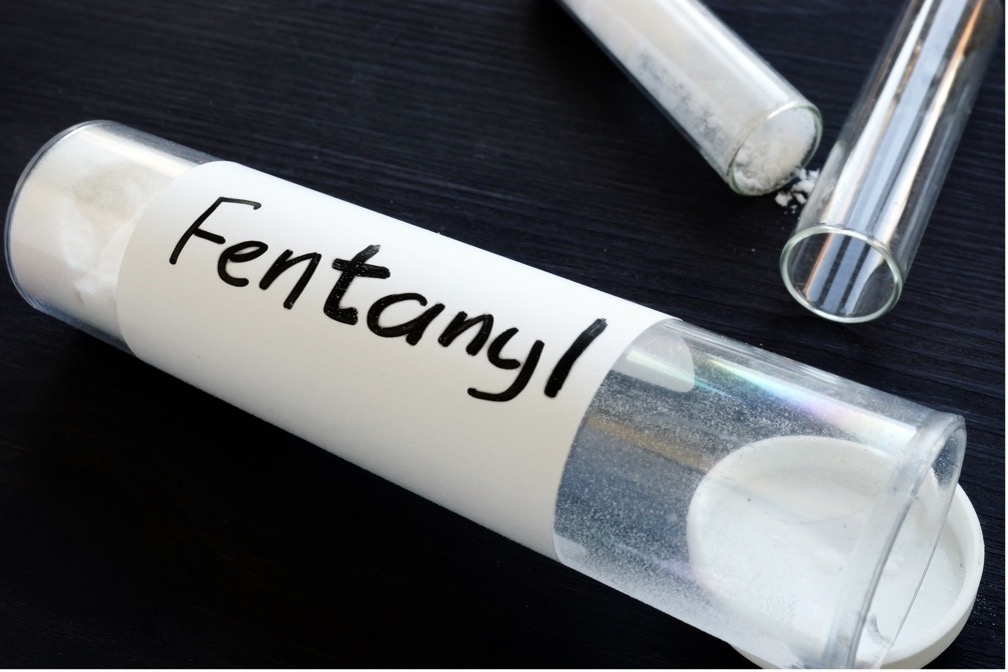
Fentanyl overdoses remain a recurring topic in national and local news, with reports surfacing almost daily. According to the California Department of Justice, California witnessed nearly 4,000 fatalities in 2020 due to fentanyl overdoses.

Since 2013, the opioid crisis has been exacerbated by the emergence of illicitly manufactured synthetic opioids, including fentanyl and related compounds. These substances have been linked to a significant rise in overdose deaths. According to estimates, Fentanyl is believed to be 50-100 times more potent than heroin. When combined, the two substances may synergistically affect respiratory depression.

Long-Term Rehab in Massachusetts: Steps Toward Lasting Healing

Long term rehab refers to inpatient or residential programs that last beyond the typical 28- to 30-day model, often ranging from 60 days up to six months or more. In Massachusetts, these programs combine safe medical detox with structured therapy, clinical oversight and ongoing support. When you choose long term rehab Massachusetts providers focus on stabilizing your physical health, addressing mental health needs and helping you build coping strategies for sustained recovery.

Drugs for Addiction Treatment: Psychedelic Therapy Guide

What if recovery isn’t about more willpower—but about giving the brain a kinder map? Here’s how psychedelic-assisted therapy is helping people rewrite the story addiction taught them.

If you’ve watched someone you love fight addiction—or if you’ve carried that fight inside your own chest—you know the late-night question that gnaws: What actually works? Not moral lectures. Not shame. Something that reaches the places talk can’t touch.

Empathy vs. Tough Love: The DO and DON'T of Helping Your Loved One in Recovery

Are you struggling to support someone you love through addiction? In this eye-opening video, we explore why empathy is more effective than "tough love" when helping someone in recovery.

Serving Up Enhanced Care with Nutrition in Substance Abuse Treatment Programs

Have you ever wondered why some treatment centers focus so heavily on gourmet meals? It's not just about comfort---your brain is literally rebuilding through what you eat. The surprising truth: proper nutrition could be the missing link in your journey that no one's talking about.

When you're rehabilitating from substance abuse, what you eat matters just as much as your therapy sessions. Good nutrition isn't just a side benefit---it's a cornerstone of successful improvement that supports your physical rehabilitation, emotional stability, and overall health.

Keeping Your Job While Going to Rehab: How to Balance Career With Recovery

Addiction to drugs or alcohol can have a profound, negative effect on a person’s ability to live a healthy, fulfilling life. Its consequences impact every aspect of a person’s well-being, from their physical and mental health to their safety and ability to have healthy relationships.

How Marijuana Addiction Treatment in Connecticut Can Help You

Connecticut offers a range of services for marijuana addiction treatment Connecticut residents can trust, from medically supervised detox to long-term residential programs. Whether you’re ready to start a structured inpatient stay or you need flexible outpatient care, understanding your options will help you make an informed decision. This guide walks you through detox procedures, therapy models, program timelines and funding resources so you can begin your recovery journey with confidence.

How the Environment in Addiction Recovery Shapes the Luxury Rehab Experience

Ever wondered why some prefer luxury rehabs over local centers for addiction treatment? The answer is beyond opulence. It's about creating a place that not only treats addiction but also transforms the soul.

In addiction recovery, the setting plays a crucial role in the healing process. Luxury detox and rehab centers, often in serene landscapes, offer more than comfort. They are sanctuaries for self-discovery and sobriety.

This blog post examines how luxury rehab designs improve treatment. We explore how the surroundings and quality of care can affect recovery—from tranquil architecture to personalized treatment plans to holistic amenities.

Understanding the Stages of Recovery and How a Luxury Rehab Helps You Take the First Step

Have you ever wondered what it truly takes to move from the chaos of addiction to a life of clarity and hope? The recovery journey can be overwhelming. It raises many questions. But you don't have to face it alone. Like many at a crossroads, you may be searching for answers. Is authentic transformation possible? SAMHSA reminds us that "recovery is a process, not an event, often involving multiple stages and setbacks."

Recovery is not a moment or a decision. It’s a journey. It unfolds across distinct stages, each with its own challenges and growth opportunities. There's no decisive set amount of time. The 5 stages of addiction recovery are practical steps. They guide you from the courage it takes to ask for help to the hard work of rebuilding a fulfilling life. They complement the recovery phases (like contemplation and action). Those phases focus on your mental and emotional readiness for change. They create a roadmap for healing. It addresses both your mentality and the steps needed for lasting sobriety.

What You Need to Know About Residential Treatment Programs in Connecticut

As you explore a residential treatment program Connecticut residents rely on, you need a clear picture of how inpatient care works in the state. Residential treatment programs in Connecticut provide 24/7 medical oversight, structured daily routines and peer support in a live-in setting. Whether you’re seeking a full continuum of care or specialized tracks for co-occurring disorders, these centers offer immersive environments designed to help you focus entirely on recovery.

By understanding the core elements of residential treatment—its structure, duration and daily life—you can better compare your options and choose a program that aligns with your recovery goals and lifestyle needs.

Expert Fentanyl Addiction Treatment Services Available in Wisconsin

When you are searching for fentanyl addiction treatment Wisconsin, you need specialized services that understand the extreme potency and high overdose risk of this synthetic opioid. Fentanyl is estimated to be 50 times stronger than heroin and can cause life-threatening respiratory depression even at microgram doses. Many users develop tolerance rapidly, leading to escalating use and severe withdrawal when fentanyl stops. Specialized fentanyl programs prioritize medical supervision, evidence-based therapies and harm reduction tools to protect your health from the outset.

Trusted Benzo Detox Options for Wisconsin Residents

When you’re ready to start benzo detox Wisconsin programs, you want a plan that manages withdrawal symptoms safely, follows proven detox protocols, and offers residential programming, therapy models, and long-term pathways to recovery. Whether you need medically supervised tapering or a live-in environment, this guide covers what you need to know so you can make an informed choice

The Truth About Opioid Rehab Options in New Hampshire

If you’re researching opioid rehab new hampshire, you’ll find a range of programs designed to meet your needs. Your recovery plan may include medical detox, residential treatment, partial hospitalization, or outpatient services. Each level of care offers a different intensity of support and therapy, so you can choose what fits your situation and goals.

Normalize Relapses to Focus More on Recovery from the Inevitable

Researchers, doctors, pharmaceutical chemists, and others worldwide work hard to discover and manufacture a cure for every illness experienced within the global society. Even though addiction is a disease, unfortunately, it has no cure—with approximately 44,000 people dying of drug overdose each year in the United States.


Boundaries & Toxic Relationships: Mental Wellness in Recovery.

Good mental wellness is essential for a successful recovery from addiction; an important part is setting boundaries and avoiding toxic relationships. It is impossible to ignore our relationships’ effect on our mental health and well-being. People have different needs and ideas of what is acceptable in relationships, and it is essential only to be healthy and positive. This is especially important in addiction recovery, as it is necessary to protect yourself from the potential of relapse. Additionally, certain people, often members of our own family and social circle, can be toxic influences and actively impede our recovery process. Therefore, understanding how to set boundaries and protect yourself from unhealthy relationships is essential for maintaining mental wellness and sustaining a successful recovery. This blog will discuss why setting boundaries and avoiding toxic relationships is necessary for good mental health and addiction recovery.

Opioid Withdrawal Symptoms & Timeline: What to Expect When You Stop Using

Your body isn't betraying you. It's adjusting to something it adapted to over time, and that adjustment has a name, a timeline, and a path through it. Opioid withdrawal symptoms are real, measurable, and for most people, time-limited.

Knowing what's coming—and when—changes how you move through it. This article walks you through what to expect. You'll learn when symptoms start, how long they last, why starting medication can sometimes feel worse before it gets better, and what actually makes the process safer.


Key takeaways

  • Opioid withdrawal symptoms can begin within 4–6 hours of the last dose for short-acting opioids, or 24–36 hours for long-acting opioids like methadone.
  • The acute phase of withdrawal typically resolves within about a week for most people.
  • Sleep trouble, low mood, and cravings can linger for several weeks after the acute phase ends—this is normal and has a name.
  • Clinicians use a validated 11-item tool called the COWS (Clinical Opiate Withdrawal Scale) to measure how severe withdrawal is in real time.


If you're not sure where to start, Wish Recovery's team is available to answer your questions without pressure. Reach out any time—one conversation doesn't commit you to anything.