

















Wish Recovery’s Blog

Welcome to the Wish Recovery addiction treatment and addiction recovery blog. Browse through our growing number of resources like videos and articles to learn more about addiction and recovery. We add more content all the time.

Your New Life Begins Again Today

The abuse of drugs and alcohol can cause some very dramatic changes to brain chemistry, affecting how emotions and feelings are processed.

What You Need to Know About Prescription Drug Detox in New Jersey

If you’re exploring prescription drug detox New Jersey, you’re taking the first step toward reclaiming control of your life. Prescription drug detox is the medically supervised process of clearing your body of substances such as opioids, benzodiazepines, stimulants, or sleep aids. During this stage you’ll focus on managing withdrawal symptoms safely while laying the groundwork for longer-term recovery.

What Makes Inpatient Rehab in Nebraska a Powerful Choice

If you’re exploring substance use recovery options, inpatient rehab in Nebraska offers a structured, supportive environment for safe withdrawal, intensive therapy, and long-term healing. With a network of accredited facilities across the state, you can access personalized detox plans, evidence-based therapies, and residential programs tailored to your needs. Whether you require medical detox in Nebraska or specialized care for co-occurring disorders, these centers prioritize your safety and comfort from admission through aftercare. In this article, you’ll learn what makes inpatient rehab in Nebraska a powerful choice for residents seeking immediate access to detox and residential addiction treatment. We’ll break down facility options, core services, substance-targeted programs, program durations, cost considerations, and state resources to help you plan the best path to lasting recovery.

How Drug Rehab in New Hampshire Can Change Your Life

Drug rehab in New Hampshire can be the turning point you need to reclaim your health, relationships, and future. Whether you’re facing withdrawal, juggling co-occurring mental health issues, or feeling overwhelmed by the cost and logistics of treatment, understanding your options is the first step toward lasting change. In this guide, you’ll learn about medical detox, therapeutic residential structures, tailored substance-specific programs, insurance considerations, and ongoing support networks available across the Granite State.

An Overview of Microdosing

Since 2010, microdosing has been a popular approach to enhancing energy and productivity in Silicon Valley, assisting in the discussion and resolution of strategy and code difficulties. It has gained traction among progressive health activists outside Valley biohackers. Many of the most used compounds for microdosing are prohibited, making them difficult to obtain.

Your Body Keeps the Score: The Physical Signs of Unhealed Trauma

Four specialists. Every test. And they all say there's nothing physically wrong with you. But your body knows different. It's been trying to tell you something.

But every doctor says the same thing: "All your tests came back normal. Have you tried managing your stress?"

As if that explains why your jaw clenches in your sleep. Why your heart races when you're just sitting there. Why chronic pain lives in your body without a visible cause.

What if they're asking the wrong questions?

What You Need to Know About 60 Day Treatment Programs in Virginia

If you’re exploring a 60 day treatment program virginia, you need to understand how these two-month inpatient rehab programs combine medically supervised detox, residential care, and evidence-based therapies to support long-term recovery. These 60-day inpatient programs in Virginia are designed to address addiction at a deeper level than shorter stays, giving you more time to develop coping skills, heal underlying issues, and build a solid relapse-prevention plan. Whether you’re seeking help for alcohol, opioids, stimulants, or co-occurring mental health challenges, a structured 60-day program can offer the comprehensive care you need.

Coping with Co-Occurring Mental Health and Substance Use Disorders

Co-occurring mental health and substance use disorders (SUDs) may be burdensome. If you have this problem, you know how tough it is to live a regular life. The National Center for Drug Abuse Statistics reports that 165 million Americans, or 60.2% of the population over 12, currently abuse drugs, including alcohol and cigarettes. According to the National Institute on Drug Abuse, about 8 million people, or 17.5% of those with mental health difficulties, abuse drugs. This article will discuss dual diagnosis, signs, and how to manage both conditions.

The Ripple Effect: Understanding the Relationship Between Childhood Trauma and Addiction

Childhood trauma can impact a person’s life, with severe consequences that can carry over into adulthood. Studies have found a strong connection between childhood trauma and addiction, making this a topic that deserves careful examination. In this article, we’ll explore the complex relationship between childhood trauma and addiction, taking a closer look at how trauma affects the brain, the mechanisms behind addiction, and why it’s crucial to approach treatment with a trauma-informed perspective.

The Impact of Primary and Secondary Emotions on Substance Abuse

Many people's decisions to experiment with drug or alcohol usage are heavily influenced by their feelings. Thoughts, emotions, and behaviors are all interconnected. As one changes, the other is impacted, and so on. A person's ideas and actions may become self-destructive when experiencing negative emotions like fear, anger, sadness, or isolation.

What You Need to Know About Fentanyl Rehab in North Carolina

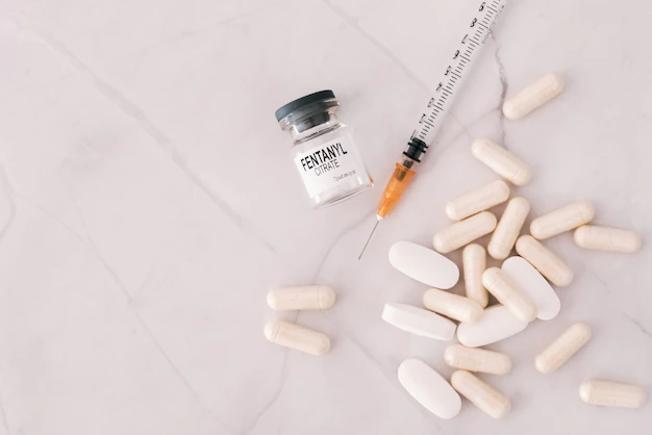
You’re facing a serious public health emergency when considering fentanyl rehab North Carolina. Fentanyl, a synthetic opioid up to 100 times stronger than morphine, drives the third and deadliest wave of overdose fatalities in the state. From 2000 to 2022, more than 37,000 North Carolinians died from drug overdoses, with fentanyl responsible for a growing share of those deaths. On average, nine residents die each day from fentanyl overdoses, underscoring the urgency of effective treatment and recovery services.

How to Choose the Right Detox and Rehab Center in New Hampshire

When you’re searching for a detox and rehab center New Hampshire offers, you need clear information on medical detox services, residential treatment structures, program timelines and substance-specific care. Whether you’re urgent about finding a safe space for withdrawal management or planning long-term recovery, understanding your options is crucial. This guide breaks down each step so you can compare facilities, ask the right questions and choose a program that fits your needs.

Your Guide to Top Detox and Rehab Centers in Connecticut

As you research a detox and rehab center Connecticut residents rely on, you need clear insights into detox procedures, inpatient care structures, therapy models, treatment timelines, and substance-specific protocols. In this guide, you’ll find an overview of medical detox, residential and partial hospitalization programs, evidence-based therapies, and specialized tracks for opioids, stimulants, and co-occurring disorders. Whether you’re exploring drug rehab in connecticut or seeking comprehensive dual diagnosis support, this resource will help you weigh your options and take the next steps toward lasting recovery.

Basic Details about NAD + Treatment in Addiction Recovery

When a person has an addiction to drugs or alcohol, substances alter their brain functions. With continued substance use, one of the body’s most essential molecules gets depleted. The molecule is NAD+. Addiction recovery is not impossible but, it can be difficult. With the aid of NAD+ treatment, a relatively new holistic IV infusion that boosts natural amounts of NAD+, recovery is not only more of a possibility. It promises to make recovery more successful and sustainable.

Residential Treatment Center Wisconsin: Your Path to Recovery

When you or a loved one is ready to leave behind substance dependence, a residential treatment center wisconsin offers a structured, supportive environment where you can focus entirely on recovery. Whether you need medically supervised detox, inpatient rehab services or specialized care for co-occurring mental health conditions, Wisconsin’s residential programs deliver round-the-clock support, evidence-based therapies and a peer community to help you rebuild your life.

What You Need to Know About Opioid Rehab in New Jersey

When researching opioid rehab new jersey options, you’ll find a wide range of treatment services, from medical detox to residential and outpatient care. If you’re ready to start your recovery journey, you might be considering structured care at an inpatient rehab in new jersey facility or exploring medication-assisted outpatient programs. This guide breaks down what you need to know about detox management, therapy approaches, program timelines, cost considerations and legal protections in your state. By the end, you’ll have a clear roadmap for choosing the right opioid addiction treatment in New Jersey.

How Dual Diagnosis Treatment in North Carolina Can Help You

When you face both a mental health disorder and a substance use disorder at the same time, clinicians call that dual diagnosis. Each condition can worsen the other, making treatment more challenging than addressing a single issue alone. Effective programs treat your psychiatric symptoms and addictive behaviors in tandem, with coordinated care from psychiatrists, therapists, addiction specialists and medical staff.

What You Should Know About Alcohol Detox in North Carolina

If you’re preparing for alcohol detox in North Carolina, you’re taking an important first step toward recovery. Whether you choose a medically supervised program or a residential setting, understanding how detox works, what to expect during withdrawal, and how to transition into ongoing care will help you make informed decisions. This article covers everything you need to know about alcohol detox in North Carolina, including program types, residential care structure, therapy modalities, recovery timelines, insurance considerations, and specialized services.

How Long Does Weed Stay in Your System? Detection Explained

You've got a drug test tomorrow—maybe for a job you need, maybe because your probation officer requires it, maybe because your custody agreement says so—and you're Googling at 11 PM wondering how long does weed stay in your system. The internet's full of conflicting timelines about how long marijuana stays in your system, detox teas promising miracles, and panic. Here's what determines how long marijuana stays in your system, what different drug tests measure, and when the math works in your favor—or doesn't.

Maximizing LGBTQ+ Addiction Recovery: Effective Strategies

The journey toward sobriety is challenging, and for LGBTQ+ individuals, it can be even more difficult. The projected rate of substance abuse within the LGBTQ+ community is 30%, compared to 9% among the population. Facing discrimination, stigma, and rejection, these individuals may struggle to find the support and understanding they need. Addiction doesn't discriminate, but individuals in this subculture face unique challenges in addiction recovery, such as discrimination, stigma, and a lack of understanding and resources. Understanding these challenges and finding the proper support can make all the difference. In this article, we'll explore the unique obstacles faced by LGBTQ+ individuals in addiction recovery and provide helpful strategies for finding the support they need to overcome them.