

















Wish Recovery’s Blog

Welcome to the Wish Recovery addiction treatment and addiction recovery blog. Browse through our growing number of resources like videos and articles to learn more about addiction and recovery. We add more content all the time.

What are the Stages of Recovery?

The Six Stages of Change - popularized by the Transtheoretical Model developed in the late 70s—has become a measuring tool in behavioral health settings. It helps people embarking on intentional change. These self-changers use the stages to navigate through the process of addiction recovery.

The Role of Acupuncture in Substance Use Disorder Treatment

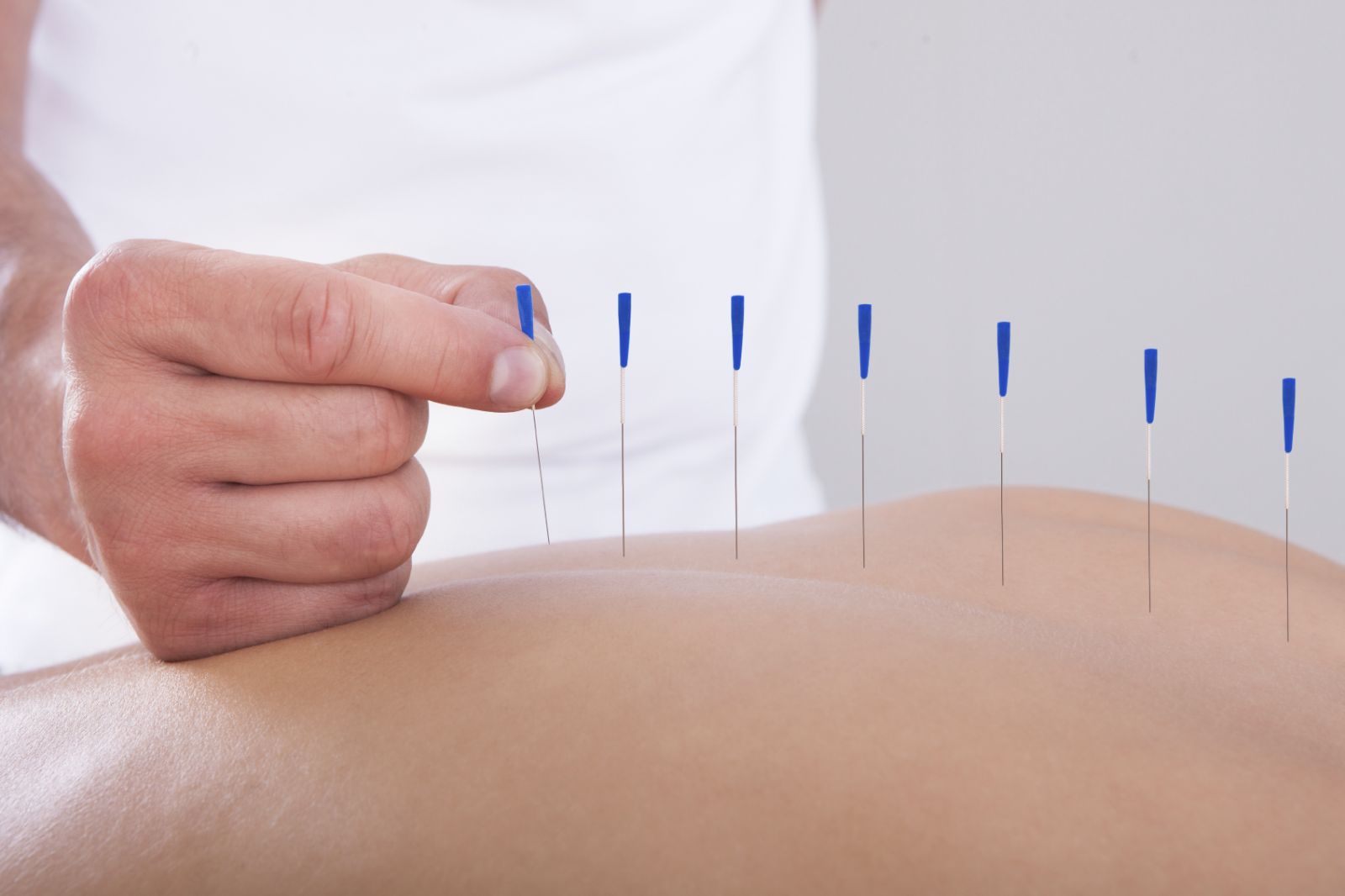
Acupuncture is one of the most popular alternative therapies for treating substance and alcohol use disorders. This ancient practice has been gaining popularity in the West in recent years. Acupuncture has many benefits, including reducing pain, improving sleep, boosting the immune system, and calming anxiety. 

Luxury rehab centers often use this therapy to help patients with withdrawal symptoms and cravings during detox and relaxation during rehabilitation. Despite its reputation as physical treatment, acupuncture can help heal on spiritual, psychological, and emotional levels.

Medical Supervision for Alcohol Detox

Alcohol addiction or alcohol use disorder (AUD) is the most common form of substance abuse, afflicting an estimated 14.4 million American adults. Heavy or long-term alcohol use can lead to life-threatening diseases, affecting productivity and relationships.

How Benzo Detox in Massachusetts Can Change Your Recovery Journey

You might be exploring how benzo detox Massachusetts can change your recovery journey. Benzodiazepine detox, often called benzo detox, is a medically supervised process designed to help you manage withdrawal symptoms safely and lay the groundwork for lasting sobriety. Whether you’ve been prescribed Xanax, Valium or Klonopin, working with clinical experts in Massachusetts reduces the risk of severe complications such as seizures, panic attacks and prolonged insomnia. Early engagement with a specialized program also connects you to therapy structures and aftercare planning that support your unique needs.


How Does Self-Acceptance Relate to Addiction Recovery?

Many people will tell you that recovery from drugs and alcohol begins with recognizing and accepting that your drinking or substance abuse is a problem. While it is an essential first step, authentic healing begins more profoundly with self-acceptance.

To accept oneself—flaws and all is what it means to be truly human. Many people who begin using drugs or develop problematic drinking behaviors do so from silent psychological prompts of low self-esteem and self-worth, which are directly linked to a lack of self-acceptance and self-love.

Keeping Your Job While Going to Rehab: How to Balance Career With Recovery

Addiction to drugs or alcohol can have a profound, negative effect on a person’s ability to live a healthy, fulfilling life. Its consequences impact every aspect of a person’s well-being, from their physical and mental health to their safety and ability to have healthy relationships.

A Brief History of the Word Addiction

The term "addiction" has historically had Latin roots, with translated meanings ranging from deity devotion to attachments to enslavement.

Luxury Rehab in Los Angeles

You’ve been here before—Tuesday after midnight, clicking through options for drug rehab centers. Luxury rehabs in Los Angeles all seem to promise “personalized care” and “evidence-based treatment.” The photos are beautiful, the testimonials moving, and you still can’t answer the question keeping you awake: What am I actually paying for, and will it work?

Here’s the truth most brochures won’t tell you: not all rehab programs are created equal when it comes to addressing alcohol addiction. And luxury became marketing before it became a clinical distinction in the context of drug rehab programs. But that doesn’t mean it’s meaningless.

How Opioid Rehab in Hawaii Can Change Your Life

Opioid rehab Hawaii can change your life by offering you a safe, structured path out of addiction. Whether you’re struggling with prescription painkillers, heroin or fentanyl, enrolling in an opioid rehab program in Hawaii gives you access to medically supervised detox, evidence-based therapies and ongoing recovery support. This guide walks you through what to expect, how to navigate care networks and which resources can help you take that first critical step toward lasting sobriety

What FIFA World Cup 2026 Isn't Showing You: Soccer, Mental Health, and Why Recovery Is Part of the Game Too

The FIFA World Cup 2026 is here—the biggest soccer tournament in a generation, playing across North American stadiums for the first time since 1994. Billions of fans are watching every match. But somewhere in the noise of the game, something quieter is happening for a lot of people—something that never makes the highlight reel. This article is for anyone who felt it.

Key takeaways

  • Retired professional footballers experience alcohol misuse at rates far exceeding the general population.
  • When a soccer career ends, the loss of identity can feel as disorienting as losing a sense of self entirely.
  • Chronic pain from years of play often fuels substance use long after the final match ends.
  • Dual diagnosis treatment—addressing mental health and addiction together—produces significantly better recovery outcomes.

If something in this article lands for you, we're here.
Reach out to our team at Wish Recovery confidentially— 
contact us here.

Four Cognitive Distortions that Get in the Way of Recovery

It is not simple to recover from a substance use problem. It typically entails exercising self-control and avoiding individuals who might lure you back to substance use. However, one of the most challenging aspects of recovery is changing your way of thinking. Your ideas are an integral component of your substance use disorder (SUD). Negative thoughts can interfere with your treatment and healing.

Finding the Path to Sobriety: Exploring the Role of the Best Alcohol Rehabs in Successful Recovery Journeys

Alcohol use disorder is a global public health crisis, with around 3 million deaths annually due to harmful alcohol use, accounting for 5.3% of all deaths worldwide. The journey to sobriety is complex and often requires professional help and guidance. Alcohol rehabilitation programs offer essential support, therapies, and tools to help individuals overcome their addiction and regain control over their lives.


The best alcohol rehabs provide a structured environment that fosters healing, growth, and transformation, from detoxification to therapy, aftercare, and relapse prevention. These rehabs are pivotal in helping individuals achieve their sobriety goals and lead healthier, happier lives. Recovery from alcohol addiction is a complex process involving factors such as social identity transition, commitment to sobriety, and the role of mutual aid groups.

Opioid Withdrawal Symptoms & Timeline: What to Expect When You Stop Using

Your body isn't betraying you. It's adjusting to something it adapted to over time, and that adjustment has a name, a timeline, and a path through it. Opioid withdrawal symptoms are real, measurable, and for most people, time-limited.

Knowing what's coming—and when—changes how you move through it. This article walks you through what to expect. You'll learn when symptoms start, how long they last, why starting medication can sometimes feel worse before it gets better, and what actually makes the process safer.


Key takeaways

  • Opioid withdrawal symptoms can begin within 4–6 hours of the last dose for short-acting opioids, or 24–36 hours for long-acting opioids like methadone.
  • The acute phase of withdrawal typically resolves within about a week for most people.
  • Sleep trouble, low mood, and cravings can linger for several weeks after the acute phase ends—this is normal and has a name.
  • Clinicians use a validated 11-item tool called the COWS (Clinical Opiate Withdrawal Scale) to measure how severe withdrawal is in real time.


If you're not sure where to start, Wish Recovery's team is available to answer your questions without pressure. Reach out any time—one conversation doesn't commit you to anything.

Discover Reliable Marijuana Addiction Programs in North Carolina Today

When you’re ready to find a reliable marijuana addiction program north carolina, you need clear information on detox supervision, residential care structure, therapy modalities, recovery timelines, and co-occurring disorder resources. Whether you call it cannabis dependency, cannabis use disorder, or marijuana treatment, the right program can guide you from initial withdrawal through lasting sobriety.

How 60-Day Treatment Programs in New York Support Your Recovery

A 60 day treatment program in New York provides an intensive, structured approach to addiction recovery over a typical span of eight weeks. During this time you engage in medical detox, individual counseling, group therapy, and family sessions tailored to address substance use disorders and co-occurring mental health conditions. Many programs include 12-step meetings, life skills workshops, and relapse prevention strategies to give you the tools you need for long-term sobriety. New York reports more drug overdose deaths than homicides, suicides, and car crashes combined, highlighting the critical need for effective, comprehensive programs. Despite this urgency, in 2023 over 95% of people in the United States who required drug rehab did not receive it.

How Prescription Drug Detox Connecticut Can Help You Heal

You may be considering prescription drug detox in Connecticut because you want a safe, structured path to stop relying on medications that have taken over your life. Detoxification is the crucial first step in your recovery journey, helping you manage withdrawal safely under medical supervision. In Connecticut you have access to licensed centers, evidence-based therapies, and tailored programs that address the full spectrum of prescription drug dependence—from opioids and benzodiazepines to stimulants and beyond. Whether you need inpatient care, dual diagnosis treatment, or outpatient support, understanding how detox works here will empower you to choose the right option for your needs.

Connecticut’s Best Meth Addiction Treatment Programs for You

If you or a loved one are exploring meth addiction treatment Connecticut options, you likely recognize how challenging methamphetamine recovery can be. Methamphetamine is a potent stimulant that alters brain chemistry, fueling intense cravings and risky behaviors. As tolerance builds, you may find yourself using larger amounts more frequently to achieve the same effects. This cycle of abuse often leads to severe physical, mental, and social consequences.

The Powerful Benefits of 60-Day Residential Treatment in Massachusetts

When you explore 60 day residential treatment massachusetts, you’re investing in an intensive, structured program that offers medical detox, clinical therapies, and comprehensive aftercare planning. In a typical two-month stay, you’ll live on-site in a supportive environment, with meals provided and scheduled visiting hours to keep you connected with loved ones. This extended timeframe allows you to address both substance use and any co-occurring mental health conditions, laying a stronger foundation for long-term recovery.

Out-of-State Rehab & PPO Coverage: How It Actually Works

Somewhere between deciding you need addiction treatment and booking a flight, one question stops everything: will your insurance follow you out of state? Most PPO plans include an out-of-network benefit built for exactly this situation. When a rehab center isn't in-network, there's often a specific tool your admissions team can request on your behalf. This guide walks you through how out-of-state rehab, PPO coverage, single case agreements, and discreet travel work, so you're deciding with real information instead of guesswork.

Key takeaways

  • Many PPO plans cover addiction treatment out of state, so your options don't stop at the state line.
  • When a rehab center isn't in-network, a single case agreement can bring costs closer to in-network rates.
  • Federal parity law requires insurers to cover behavioral health care no more restrictively than physical health care.
  • Substance use treatment records carry stronger federal privacy protections than general health records, supporting discreet travel.


You don't have to have every insurance question answered before you reach out. Talk with our admissions team today, and we'll help you map out your treatment options.


What to Expect at Cocaine Rehab in Connecticut Today

When you’re researching cocaine rehab Connecticut programs, you’ll find a diverse range of options—from medically supervised detox to long-term residential care and outpatient support. With more than 230 drug and alcohol rehab centers statewide, Connecticut offers accredited facilities near urban centers and secluded retreats in rural settings. Whether you need detox services, inpatient rehab, or dual diagnosis treatment, you can tailor your recovery path to your unique needs.