



















Wish Recovery’s Blog

Welcome to the Wish Recovery addiction treatment and addiction recovery blog. Browse through our growing number of resources like videos and articles to learn more about addiction and recovery. We add more content all the time.

Effective Meth Addiction Treatment Options in New Hampshire

Methamphetamine addiction treatment new hampshire begins with recognizing the severity of crystal meth use and its impact on your life. Meth is a powerful stimulant that can lead to rapid addiction, making early intervention essential. In New Hampshire, rising meth availability and affordability have driven up use, arrests, and overdose rates statewide, including rural and Seacoast communities.

Find Hope with the Best Long-Term Residential Rehab in North Carolina

When you search for long term residential rehab North Carolina, you’re looking for a program that offers 24-hour medical supervision, structured therapy, and community support in a home-like setting. You need clear information about licensing requirements, program structure, therapy modalities, success metrics, costs, and co-occurring disorder resources to make an informed decision. In North Carolina, licensed long term residential rehab programs must comply with Subchapter 27G of the North Carolina Administrative Code, ensuring quality standards for mental health, developmental disabilities, and substance abuse facilities. This guide helps you navigate your options and find the best program for your recovery journey.

How Benzo Detox in Massachusetts Can Change Your Recovery Journey

You might be exploring how benzo detox Massachusetts can change your recovery journey. Benzodiazepine detox, often called benzo detox, is a medically supervised process designed to help you manage withdrawal symptoms safely and lay the groundwork for lasting sobriety. Whether you’ve been prescribed Xanax, Valium or Klonopin, working with clinical experts in Massachusetts reduces the risk of severe complications such as seizures, panic attacks and prolonged insomnia. Early engagement with a specialized program also connects you to therapy structures and aftercare planning that support your unique needs.


Benzo Detox in New York: Overcoming Challenges with Support

You’re not alone if you’re facing benzo detox in New York. Benzodiazepine dependence can bring daunting withdrawal symptoms, unpredictable timelines, and medical risks. You need a targeted plan, professional supervision, and ongoing support to move safely from dependence to clarity.

Across New York, a range of medically supervised detox, residential rehab, outpatient care, and dual diagnosis treatment can help you overcome benzodiazepine withdrawal. Whether you’re tapering off Xanax or Valium, understanding each phase and comparing local programs will empower you to choose the right path for your recovery.


Breaking the Cycle: The Complexities and Solutions of Dual Diagnosis Treatment

Consider two individuals enrolling in a rehabilitation program to address their addiction. One treatment center conducts a thorough assessment and identifies a co-occurring mental health disorder for one person. In contrast, the other center overlooks or fails to adequately address the apparent signs of psychological and emotional issues underlying the other person's substance use disorder. Which individual is more likely to achieve sustained recovery in the long run?

Understanding the Science of Addiction & Recovery

Addiction is a complex condition that significantly impacts an individual's life and can be challenging to overcome without professional help. The brain, a remarkable organ with neuroplasticity, can adapt and change throughout our lives. Still, substance use disorders can hijack its natural processes and alter the brain’s structure, making it difficult for individuals to resist cravings and impulses. Substance use disorder is a chronic and relapsing condition that requires ongoing care and support.

Discover Powerful Marijuana Treatment Programs in New Jersey

You need a focused, evidence-based marijuana treatment program new jersey residents trust to guide you from detox through long-term recovery. Whether you’re just beginning to recognize cannabis dependence or you’ve tried quitting on your own, New Jersey offers structured inpatient care, proven therapy methods, and co-occurring disorder support tailored to your needs.

Can GLP-1s Treat Alcohol Use Disorder? 2026 Research

You typed something into a search bar tonight that you've been thinking about for weeks. Maybe months. Something about GLP-1, alcohol, and whether the stories about Ozempic and drinking are pointing toward something real. We've been watching this research too, and we want to share what we've learned.

Key Takeaways

  • New 2026 research shows semaglutide can reduce alcohol cravings and heavy drinking days.
  • GLP-1 medications work on the brain's reward system, where the pull toward drinking lives.
  • Semaglutide isn't FDA-approved for alcohol use disorder—it's used off-label with medical supervision.
  • Medication alone doesn't replace therapy, dual-diagnosis care, or the structure of residential treatment.

You don't have to figure out whether this applies to you alone. Reach out to our team at Wish and start a private, no-pressure conversation. Talk to Someone at Wish

Transform Your Recovery with Dual Diagnosis Treatment in Hawaii

When you’re looking for dual diagnosis treatment in Hawaii, you need a program that addresses both your substance use disorder and mental health condition at the same time. Dual diagnosis treatment in Hawaii combines detox safety, residential care structure, and specialized protocols so you can heal holistically. Whether you’re on O‘ahu, Maui, or the Big Island, integrated care options—from inpatient detox to long-term residential programs—ensure you get the support you need. Explore how co-occurring disorder services and state-licensed facilities can transform your recovery journey

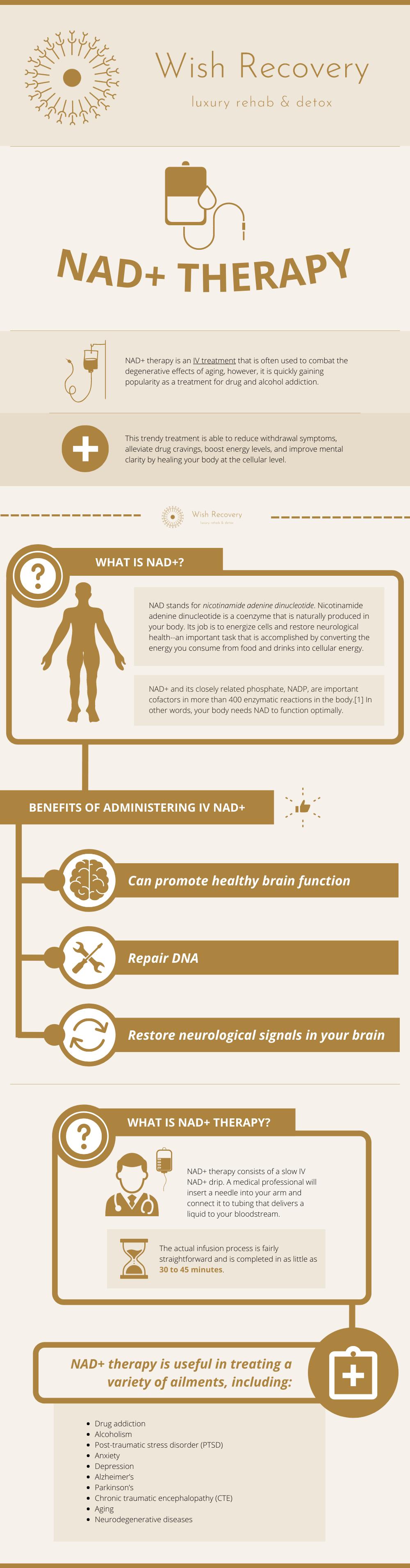
Introducing Intravenous Detox: The Next Step in Safe, Medically Supervised Recovery

When considering addiction treatment options, it's critical to look at how the treatment center approaches detoxification. Detoxing involves many risks, sometimes life-threatening when attempting cold turkey at home or without medical supervision. The safest and most effective approach is to have a medically supervised detox at a treatment facility.

Your Guide to Safe Prescription Drug Detox in New York

If you’re looking for safe prescription drug detox New York residents trust, you’ve come to the right place. Detoxing from prescription medications can feel overwhelming, but with the right information and support, you can navigate each step confidently. In this guide you’ll learn about medical detox services, residential rehab models, co-occurring disorder treatment, insurance considerations, aftercare planning, and specialized programs available across New York State. By the end you’ll have a clear roadmap for beginning your recovery journey.

Maximizing LGBTQ+ Addiction Recovery: Effective Strategies

The journey toward sobriety is challenging, and for LGBTQ+ individuals, it can be even more difficult. The projected rate of substance abuse within the LGBTQ+ community is 30%, compared to 9% among the population. Facing discrimination, stigma, and rejection, these individuals may struggle to find the support and understanding they need. Addiction doesn't discriminate, but individuals in this subculture face unique challenges in addiction recovery, such as discrimination, stigma, and a lack of understanding and resources. Understanding these challenges and finding the proper support can make all the difference. In this article, we'll explore the unique obstacles faced by LGBTQ+ individuals in addiction recovery and provide helpful strategies for finding the support they need to overcome them.

Active vs. Passive Recovery Explained to Empower Your Healing Journey

Recovery is more than just quitting a substance—it’s about rebuilding your life from the inside out. But how you approach it matters.

In this video, we break down the difference between passive and active recovery and explore why engaging in professional treatment, support systems, and mental health care can make all the difference. Learn how dual diagnosis treatment addresses both addiction and co-occurring mental health conditions for lasting transformation.


Your Guide to Safe Alcohol Detox in New York

You are taking an important step toward recovery by exploring alcohol detox in New York. Medical detoxification provides a safe, supervised way to manage withdrawal symptoms and lay the groundwork for longer-term treatment. With more than 95% of people who needed drug or alcohol rehab in 2023 not receiving it, understanding your options is critical.

What is Wet Brain? The Risky Truth Every Drinker Needs to Hear Now

Here's something they don't mention during happy hour: hours—not months—separate reversible brain damage from a permanent condition that steals your ability to form new memories. It's called wet brain, and it happens to people who never thought they were "that kind of drinker."

You might have heard it mentioned in passing. Maybe you laughed it off as something that only happens to people on the street. But Wernicke-Korsakoff syndrome isn't picky about zip codes or tax brackets. It shows up in boardrooms and studio apartments alike, and it doesn't wait until you "hit rock bottom" to begin its work.

What Does It Mean to Practice Self-Care in Recovery?

Sobriety is just one aspect of recovery. A new life awaits you if you stop using drugs or alcohol. Self-care is at the heart of a significant transition.
We all require a tune-up when we become clean since drug abuse has ravaged our health. Drug and alcohol abuse is harmful to the body, mind, and soul. Those with substance use disorders who have been inactive in their recovery treatment for months or years must take the necessary steps to rehabilitate and preserve their health.

Why You Should Think Twice Before Using Narcotics

The United States is a highly medicated country, and doctors are willing to prescribe medications to help with any ailment or pain. But these medications come with the risk of addiction and dependence. While these medications might be effective in the short term, they can be devastating to your health in a long time. Those patients prescribed narcotics should think twice before using them because there are many other options.

Unlock Success with Quality Drug Detox in Connecticut Centers

Embarking on drug detox in Connecticut is the first critical step in your recovery journey. Whether you’re researching medically supervised withdrawal or exploring inpatient detox options, you need clear information on procedures, timelines, and treatment settings. This article walks you through detox basics, therapy models, substance-specific protocols, cost factors, and how to choose the right center for your needs.

Exploring Alternative Treatment Beyond 12-Step Programs for Addiction

Why do relapse rates for addiction treatment reach 40-60% within just six months? The answer might surprise you—and change everything about how you view recovery.


If you've tried traditional addiction treatment without lasting success, you're not alone. Millions of people are discovering that recovery isn't one-size-fits-all—it's deeply personal. Alternative addiction treatment models are revolutionizing how we approach healing by addressing your whole self: mind, body, and spirit. From holistic therapies and mindfulness practices to personalized family support, these innovative approaches offer hope where conventional methods may have fallen short. Your unique journey deserves a unique path to recovery.

Post-Acute Withdrawal Syndrome in Men: Why It Lingers

You stopped. That's real. But weeks later, maybe months, something still feels off. You're not sleeping right. You're irritable over nothing. Things that used to feel good just don't anymore. And nobody around you can see it, which almost makes it worse. You're not failing at recovery. There's a name for what's happening, and you're not alone in it.

Key takeaways

  • Post-acute withdrawal syndrome (PAWS) can last weeks to months after the first withdrawal phase ends.
  • PAWS shows up as low mood, irritability, sleep trouble, and a flat, joyless feeling—not just cravings.
  • Men are less likely to name these symptoms or ask for help, even when those symptoms are highest-risk for relapse.
  • Treatment that addresses the emotional flatness and depression side of PAWS—not just sobriety—makes the difference.

Post-acute withdrawal syndrome (PAWS) is a cluster of psychological and physical symptoms that persist beyond the acute withdrawal phase—the first, intense week or so after someone stops using a drug or alcohol. PAWS can last weeks or even months, depending on the substance involved, the length of use, and the individual. Common PAWS symptoms include low mood, irritability, anxiety, sleep disruption, difficulty concentrating, and anhedonia—a flat, joyless feeling where things that once mattered just don't register. PAWS symptoms gradually improve with sustained abstinence, though the timeline varies. Men are statistically less likely to name or report these symptoms, which matters because the emotional flatness linked to PAWS is one of the strongest predictors of relapse. Structured treatment that targets both the substance use and mental health side of recovery shortens this window. If this sounds familiar, support is available.

Ready to talk to someone who gets it?
Reach out to our team at Wish Recovery — confidentially and at your own pace.