














Wish Recovery’s Blog

Welcome to the Wish Recovery addiction treatment and addiction recovery blog. Browse through our growing number of resources like videos and articles to learn more about addiction and recovery. We add more content all the time.

How the Rat Race and Stress Can Put You at Greater Risk of Misusing Substances and How to Cope

Life in the fast lane can be a drag, leaving us feeling drained, disillusioned, and defeated. The hustle and bustle of modern society can take its toll and leave us feeling like we're running on fumes. The relentless push to excel and stay ahead of the curve can be overwhelming, driving our stress levels and putting our well-being at risk. Unsurprisingly, some people use substances to cope with the daily grind, leading to many problems, including addiction and other serious consequences.


In this blog post, we'll explore the link between the rat race and everyday or chronic stress and the increased risk of substance misuse. We'll also offer practical advice and helpful tips on coping with stress healthily, so you can avoid turning to harmful substances as a crutch.


Individual Therapy vs Group Therapy

A comprehensive recovery program will give patients access to various treatments and forms of psychotherapy. Group therapy and individual therapy are integral components of any high-quality treatment center. This article will explore the differences between individual and group treatment, the advantages, and how both are critical to long-term recovery. 

How to Choose the Right Benzo Detox Program in North Carolina

When you’re searching for the right benzo detox program north carolina, you need clear information about detox supervision, residential care, therapy options, and aftercare. Benzodiazepines like Xanax, Ativan, and Valium carry a high risk of dependence, and abrupt withdrawal can trigger severe symptoms such as agitation, seizures, and rebound anxiety. A tailored benzo detox program in North Carolina combines medical oversight, evidence-based therapies, and structured timelines to guide you safely through withdrawal and into recovery.

Overcoming Challenges with Opioid Addiction Treatment in North Carolina

If you’re in North Carolina and looking for opioid addiction treatment North Carolina offers a range of evidence-based services to guide your recovery. From medication-assisted therapies to medically supervised detox, residential programs, and ongoing support, you have options tailored to your needs. This guide walks you through each phase of treatment—detox supervision, residential care structure, therapy modalities, recovery timelines, and co-occurring disorder resources—so you can make informed decisions about your path forward.If you’re in North Carolina and looking for opioid addiction treatment North Carolina offers a range of evidence-based services to guide your recovery. From medication-assisted therapies to medically supervised detox, residential programs, and ongoing support, you have options tailored to your needs. This guide walks you through each phase of treatment—detox supervision, residential care structure, therapy modalities, recovery timelines, and co-occurring disorder resources—so you can make informed decisions about your path forward.

Your Path to Recovery with Fentanyl Addiction Treatment in New Jersey

You’re navigating a path toward recovery, and if you need fentanyl addiction treatment New Jersey offers comprehensive options tailored to your needs. Whether you’re just recognizing the problem or you’ve been seeking help for some time, understanding your treatment journey can make all the difference. In this article you’ll learn how detox management, structured inpatient care, therapy methods, co-occurring disorder support and aftercare come together under New Jersey’s programs, so you can take informed steps toward lasting recovery.

COVID-19 vs. Addiction - Disease of Isolation?

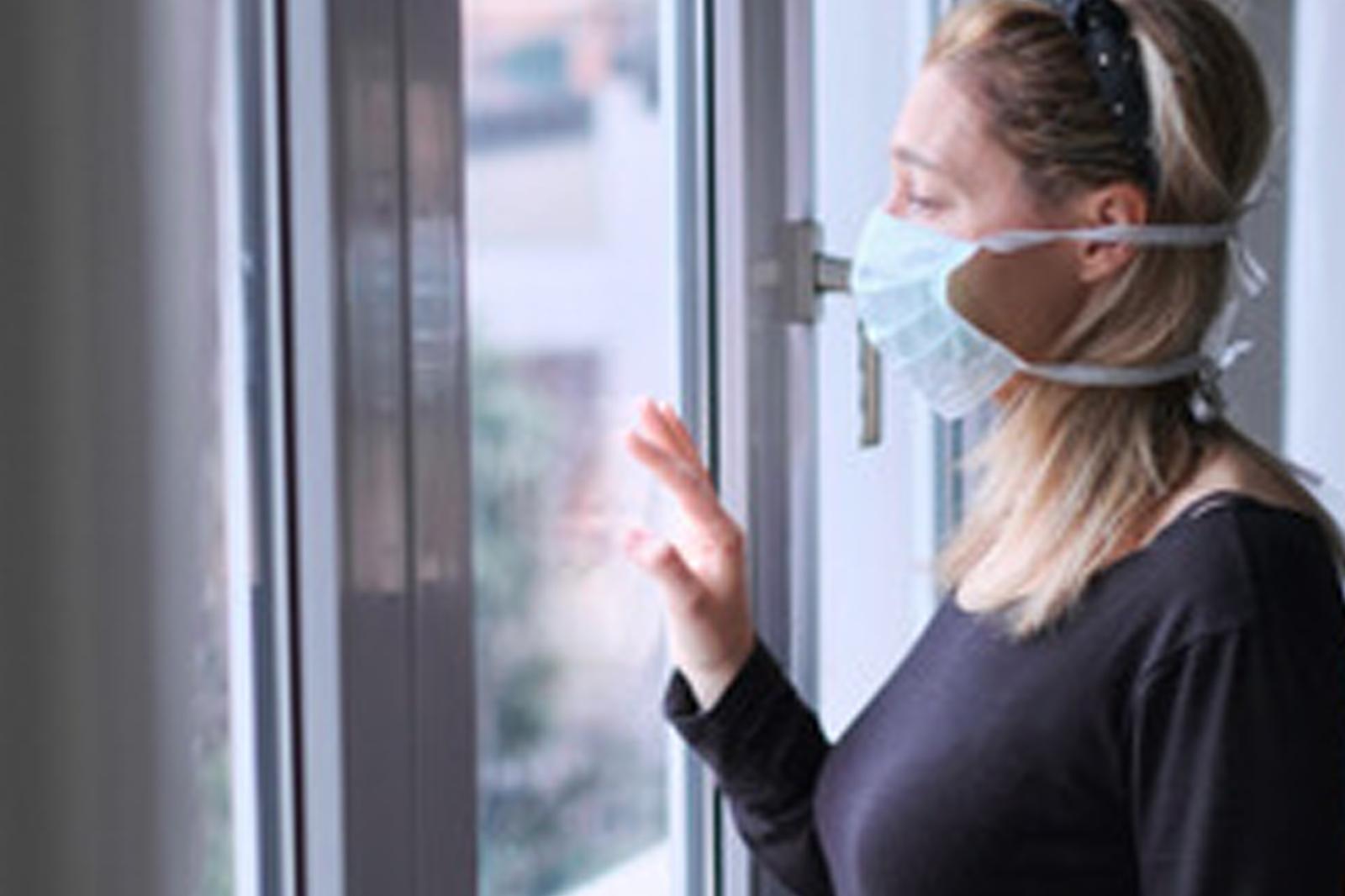
Many health professionals view addiction as being "the disease of isolation." Because of the enforcement of social distancing across the country, COVID-19 could be a contender for that title. 


Data shows that preventative measures—like wearing masks and maintaining a distance of six feet  (social distancing) can minimize the spread of the virus. However, those conservative measures for protection have also proven to be a means of encouraging more social isolation than what is already experienced by those with alcohol and substance use disorder (SUD). 


How Can I Maintain My Alcohol Recovery When Life Gets Stressful?

Struggling to stay sober during stressful times? You're not alone.
In this video, we explore practical strategies to help you maintain your alcohol recovery when life gets tough.
From mindfulness techniques to support networks and coping strategies like urge surfing, you'll discover powerful tools to stay on track.
At Wish Recovery, we provide the guidance and support you need to navigate challenges and achieve lasting sobriety. Watch now and take the next step in your recovery journey.

Recovery Capital: Knowing the Value of Your Healing

Overcoming substance use disorder is a complex process requiring a comprehensive approach beyond avoiding drugs or alcohol. This is where the idea of recovery capital comes into play. Recovery capital involves utilizing the resources and assets available to aid in your journey toward wellness. Recovery capital includes tangible and intangible resources, such as social support networks, employment opportunities, housing, education, and psychological well-being. Accessing and utilizing these resources can unlock your potential for long-term recovery and overall wellness. Recovery capital is like a beautiful tapestry that you can weave with determination and perseverance, offering hope and healing.

The Alcohol Detox Timeline: What Actually Happens When You Stop Drinking

Your hands won't hold still. It's barely been a few hours since your last drink. Maybe you've already searched for the alcohol detox timeline more than once tonight.

You want a number that makes this feel less like free fall. Withdrawal moves in real, predictable stages, and knowing them can help you stay safer. We want to walk that timeline with you, hour by hour, so you're not guessing alone.


Key takeaways

  • Withdrawal symptoms usually begin 6 to 12 hours after your last drink and peak around 24 to 72 hours.
  • Seizures and delirium tremens are rare, but they're the reasons medical supervision matters most.
  • Some symptoms, like anxiety and sleep trouble, can linger for weeks after the shakes stop.
  • Medically supervised detox exists to keep you safe through the hardest hours.


If this feels close to home right now, you don't have to plan every next step alone.
Talk to our team whenever you're ready, we're here around the clock.


Clear Mind Vs. Addiction Mind & Clean Mind

A clear mind is synthesized as the convergence point of a clean mind and an addiction mind. With a clear mind, you're sober, but you also recognize warnings and take precautions to avoid relapse.


To have a clean mind is to be sober and free from problematic addictive behavior for an extended time, yet to be utterly ignorant of the risks and desires associated with returning to it. Having a clean mind might make you feel like you can conquer your addiction and never give in to the urge to use substances or drink again. This is the fallacy of sobriety, in that there is the conviction that one is no longer affected by addiction.

Recovery Types: The Differences Between Passive and Active Recovery

An essential thing to remember about recovery is that it is a process. There are two ways to recover from alcohol use and substance use disorders: passively and actively. Passive recovery involves abstinence from drugs or alcohol without treatment. In contrast, active recovery requires both abstinence and professional care. Between the passive and active ends of the recovery spectrum, exists variations in degree and many combinations of both extremes—depending on the individual in recovery. The choice between these two methods usually depends on the severity of the condition and the support system in place.

Why can’t I stop drinking so much or using drugs?

If there were any truth to the misconception, some people have, that all anyone must do if they genuinely want to stop drinking or using drugs is to say, “No,” “I’m done,” “That’s it. I quit,” then, there wouldn’t be nearly 35 million people in the U.S. today diagnosed with a substance use or alcohol use disorder.

Your Guide to a Successful 60-Day Rehab Program in Nebraska

When you explore a 60 day rehab program Nebraska, you’ll find that this structured residential approach offers both intensive care and time to build skills for lasting sobriety. A 60-day program typically combines medical detox, inpatient stabilization, and a variety of therapeutic modalities under one roof. By dedicating two months to recovery, you gain the opportunity to address underlying issues, practice coping strategies, and establish a support network before returning home.

5 Tips for Staying Sober During the Holidays

The holidays are a time of celebration, nostalgia and family traditions. However, these same festivities can trigger feelings of loss or sadness for some people, and it can be a time of increased risk for substance use, even if you’ve been sobered for some time. Substance use disorders impact about 20 million people in the United States. And more than half of these individuals live with one or more mental illnesses, including depression, anxiety, post-traumatic stress disorder, bipolar disorder and schizophrenia. It can be hard to know how to cope with your recovery from substance abuse during all the festivities and stress that come with this time of year. The good news is that there are ways you can do this without feeling overwhelmed. These five tips to stay on track with your recovery plan can help you maintain your sobriety throughout this time of year.

Challenges and Benefits of Dual Diagnosis Treatment: A Comprehensive Guide

Have you ever felt like you're fighting two battles at once—struggling with both mental health issues and substance use, wondering if anyone truly understands what you're going through? You're not alone in this complex journey.

When depression, anxiety, or other mental health conditions intertwine with addiction, traditional treatment approaches often fall short. That's because these conditions don't exist in isolation—they feed off each other, creating unique challenges that require specialized care.

In this comprehensive guide, you'll discover why dual diagnosis treatment offers hope where other approaches have failed, and how integrated care can transform your path to lasting recovery.

CASE STUDY | WISH RECOVERY

Wish Recovery Provides the Perfect Transition from a Perfect Life of Drinking to Perfect Sober Living for a Middle Age Woman.


Case Study: Overcoming Addiction with the Help of Wish Recovery. 

Harriet's experience at Wish Recovery highlights the effectiveness of a comprehensive, personalized approach to addiction treatment. By addressing the underlying factors that contribute to addiction and providing a supportive community for individuals in recovery, Wish Recovery can help individuals like Harriet achieve long-lasting sobriety and a better quality of life.

Top Effective Prescription Drug Detox Options in New Hampshire

If you’re exploring prescription drug detox New Hampshire options, you’re taking the vital first step toward recovery. Detoxification is the process of eliminating harmful substances from your body and managing withdrawal symptoms under professional care. In New Hampshire, you have access to medical detox services that combine supervision, medication-assisted treatment, and supportive therapies to ensure your safety and comfort. Many centers also connect you to ongoing treatment like residential treatment program new hampshire or dual diagnosis treatment new hampshire once detox is complete.

Immediate Help: Detox and Rehab Program in Wisconsin You Can Trust

Finding a detox and rehab program wisconsin residents trust can feel overwhelming, especially when you need care right away. You need services that cover medical withdrawal management, residential therapy programs, and long-term recovery support. Across its 72 counties, Wisconsin offers a comprehensive system of care delivered by hospitals, clinics, community agencies, and private licensed professionals. Whether you’re seeking inpatient rehab or outpatient support, this guide will help you understand your options and take the first step toward recovery.

Alcohol Detox Near Me: What You Need to Know Before You Call

You typed those words into a search bar because something shifted.

Maybe it was a morning that started with shaking hands, or a conversation you can't quite remember. Maybe someone you love is disappearing into a pattern you recognize but can't name. Whatever brought you here, the search itself took something—a small admission, a crack in the denial, the first acknowledgment that this might be bigger than willpower can handle.

This guide explains what alcohol detox involves, how to evaluate drug and alcohol rehab centers near you, and what separates detox programs that only manage withdrawal from those that build a foundation worth standing on. Whether you're entering treatment for the first time or looking for a better fit after past attempts, understanding your options matters.

An Overview of Microdosing

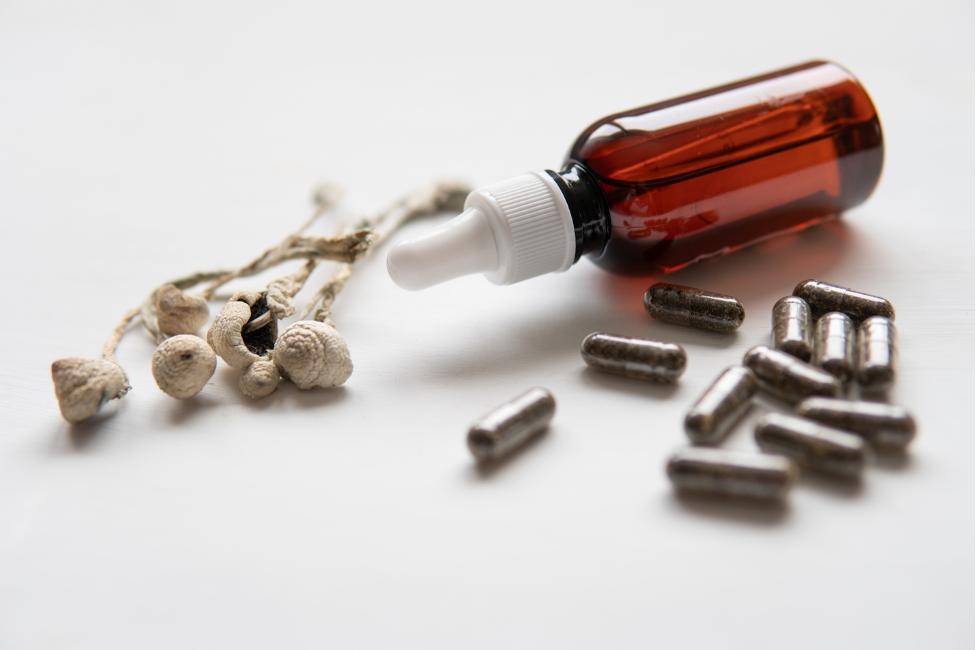
Since 2010, microdosing has been a popular approach to enhancing energy and productivity in Silicon Valley, assisting in the discussion and resolution of strategy and code difficulties. It has gained traction among progressive health activists outside Valley biohackers. Many of the most used compounds for microdosing are prohibited, making them difficult to obtain.